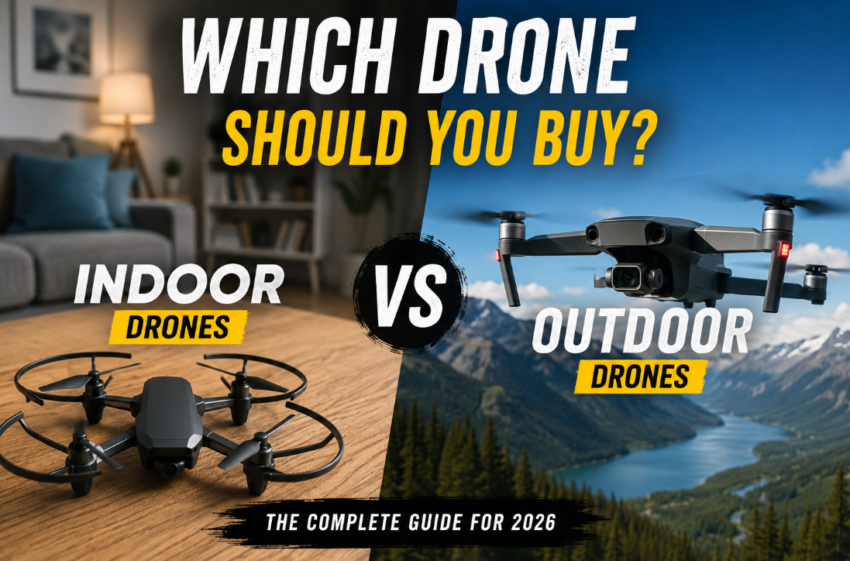
Indoor vs Outdoor Drones – Which One Should You Buy in 2026?
Indoor vs Outdoor Drones – Which One Should You Buy?
A few months ago, I made a mistake that a lot of first-time drone buyers probably make.
I bought a small beginner drone thinking I could fly it anywhere. It worked great inside my house, but the moment I took it outside, even a light breeze turned the flight into a wrestling match with the wind.
A few weeks later, I tried a larger GPS-equipped drone in a local park. The difference was night and day. That’s when I realized something most beginners don’t understand right away: indoor and outdoor drones are built for completely different jobs.
If you’re trying to decide which type makes sense for you, here’s what I’ve learned from actually flying both.
Why This Decision Matters More Than Most Beginners Think
When people shop for their first drone, they usually focus on price, camera quality, or battery life.
I did exactly the same thing.
What I didn’t pay enough attention to was where I would actually be flying most of the time.
Looking back, that single factor mattered more than any specification on the product page.
Buying the wrong type of drone doesn’t just affect performance. It can affect how much you enjoy the hobby altogether.
If you’re completely new to drones, I highly recommend reading my guide on the best beginner-friendly models before making a decision:
That article covers some excellent starter options regardless of which category you choose.
What Is an Indoor Drone?
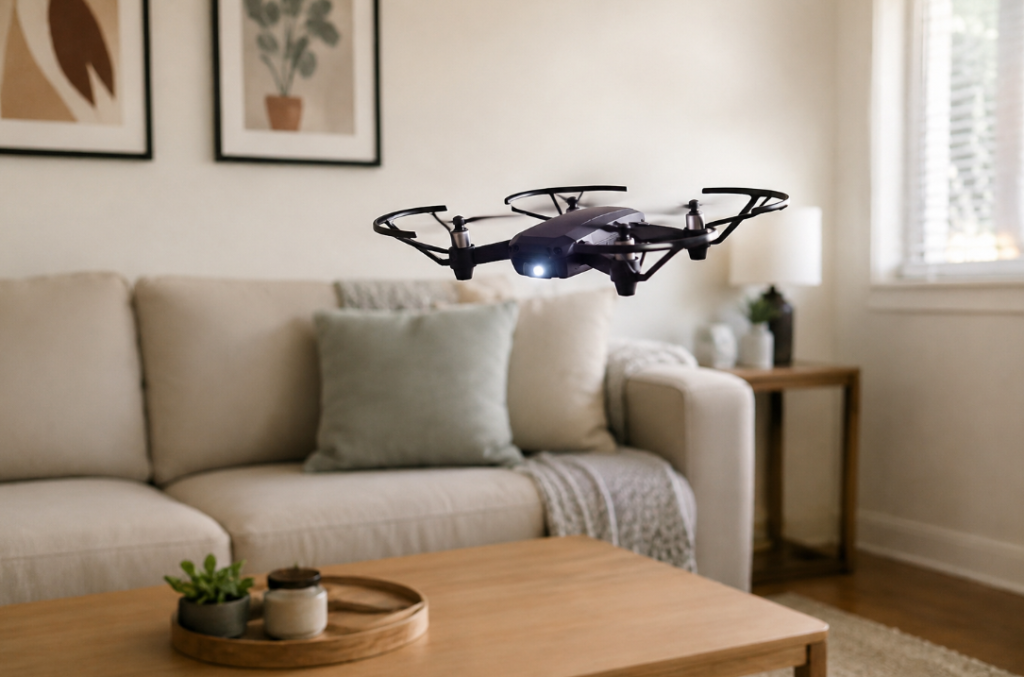
Indoor drones are designed for small spaces where precision matters more than speed.
Think apartments, living rooms, offices, garages, gyms, and warehouses.
Most indoor drones are compact, lightweight, and protected with propeller guards. They’re built to survive beginner mistakes.
And trust me, beginners make plenty of mistakes.
My first indoor flight lasted about thirty seconds before I clipped a chair and landed upside down on the carpet.
Fortunately, the drone was fine.
That’s one of the biggest advantages of indoor drones. They’re forgiving.
What Indoor Drones Do Well
Indoor drones are incredibly easy to set up and fly.
Because they’re smaller and lighter, they don’t require a huge flying area. They’re also less intimidating for people who have never touched a drone before.
I also think indoor drones are perfect for rainy days when going outside simply isn’t an option.
Where Indoor Drones Struggle
Wind.
Even a gentle breeze can completely change the flying experience.
I’ve watched a lightweight indoor drone drift several feet sideways from a gust that barely moved the leaves on nearby trees.
That’s why most indoor drones aren’t ideal if your main goal is outdoor exploration or aerial photography.

What Is an Outdoor Drone?
Outdoor drones are built for open spaces and real-world conditions.
They typically feature stronger motors, larger batteries, GPS positioning systems, and significantly better cameras.
The first time I flew a GPS-enabled outdoor drone, I remember being surprised by how stable it felt.
I expected constant adjustments.
Instead, it simply hovered in place.
That stability makes a huge difference for beginners.
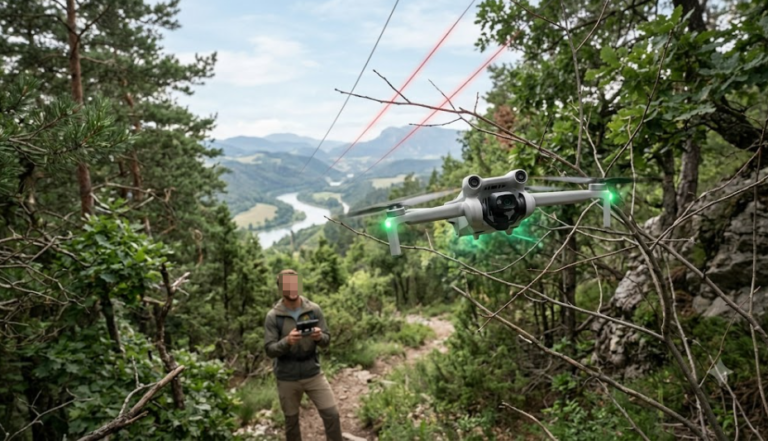
Most outdoor drones today can automatically maintain position, return home if signal is lost, and resist moderate wind conditions.
What Outdoor Drones Do Well
Outdoor drones excel at photography, videography, travel content, and exploration.
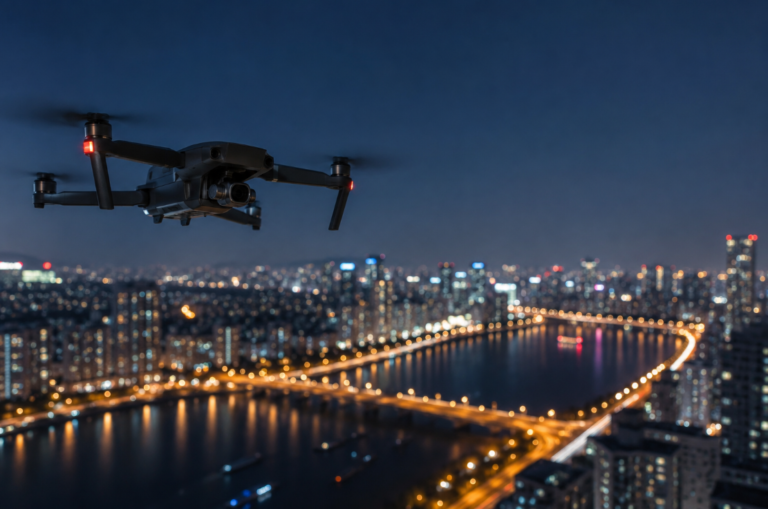
If you’ve ever seen those beautiful aerial videos of beaches, mountains, lakes, or city skylines, they were almost certainly captured with an outdoor drone.
In my opinion, this is where drones become truly impressive.
The perspective you get from even a basic camera drone can completely change how you see familiar places.
Where Outdoor Drones Struggle
The biggest downside is cost.
Outdoor drones are usually more expensive than indoor models.
They also require more space, more planning, and more attention to local regulations.
You can’t simply launch them in your living room and start flying.
Indoor vs Outdoor Drones – The Real Differences
Flight Stability
This is probably the biggest difference.
Indoor drones rely heavily on manual control.
Outdoor drones often use GPS and vision positioning systems that help maintain stable flight automatically.
As someone who has flown both, I can confidently say that a good GPS drone feels dramatically easier to control outdoors.
Camera Quality
If photos and videos matter to you, outdoor drones win by a huge margin.
Many indoor drones include cameras, but image quality is usually basic.
Outdoor drones often offer stabilized cameras, 4K recording, and much better image processing.
Battery Life
Indoor drones typically fly for around 5 to 15 minutes.
Outdoor drones commonly reach 20 to 40 minutes per battery.
That extra flight time makes a noticeable difference when you’re trying to capture footage or simply enjoy flying.
Learning Experience
This might surprise some people.
I actually think indoor drones teach better flying skills.
Because there are fewer automated features, you learn how to control the aircraft more precisely.
Outdoor drones, however, are generally easier for beginners because the technology helps compensate for mistakes.
Which Drone Is Right for You?
Choose an Indoor Drone If…
You live in an apartment.
You have limited outdoor space.
You want a budget-friendly way to learn.
You plan to fly mostly inside.
You simply want something fun and easy to practice with.
Choose an Outdoor Drone If…
You want aerial photos or videos.
You enjoy traveling.
You plan to fly in parks or open fields.
You want longer flight times.
You are interested in creating content for YouTube or social media.
Actually, before deciding, you might also want to read my beginner drone recommendations here:
I still believe that’s one of the best starting points for anyone entering the hobby.
My Honest Recommendation
If you’ve never flown a drone before and you’re unsure whether you’ll stick with the hobby, start small.
An indoor drone can teach the basics without requiring a major investment.
However, if your main goal is photography, travel videos, or capturing amazing views from above, skip the tiny toy drones and buy a quality outdoor model from the beginning.
I made the mistake of buying for price instead of purpose.
Looking back, I would have saved money by choosing the drone that actually matched how I planned to use it.
The truth is there isn’t a universally “better” option.
Indoor drones and outdoor drones are simply designed for different environments.
I also think many drone enthusiasts eventually end up owning both.
An indoor drone is perfect for quick practice sessions, bad weather days, and learning control.
An outdoor drone unlocks the experience most people imagine when they first think about drones.
Before you buy, ask yourself one simple question:
Where will I realistically fly most often?
Answer that honestly, and you’ll probably make the right choice.