RC Car Tuning Tips – Simple Upgrades That Actually Make Your RC Car Faster
RC Car Tuning Tips That Actually Make a Difference
When I first got into RC cars, I made the same mistake a lot of beginners make.
I thought performance came from buying expensive parts.
New motor.
New ESC.
Bigger battery.
And sure, those upgrades can help—but what I learned over time is this:
Most RC cars already have plenty of performance built in.
The real difference usually comes from how well the car is tuned and maintained.
After years of driving, breaking things, fixing them, and tweaking setups, I’ve realized something pretty simple:
A few smart adjustments can improve performance way more than throwing money at random upgrades.
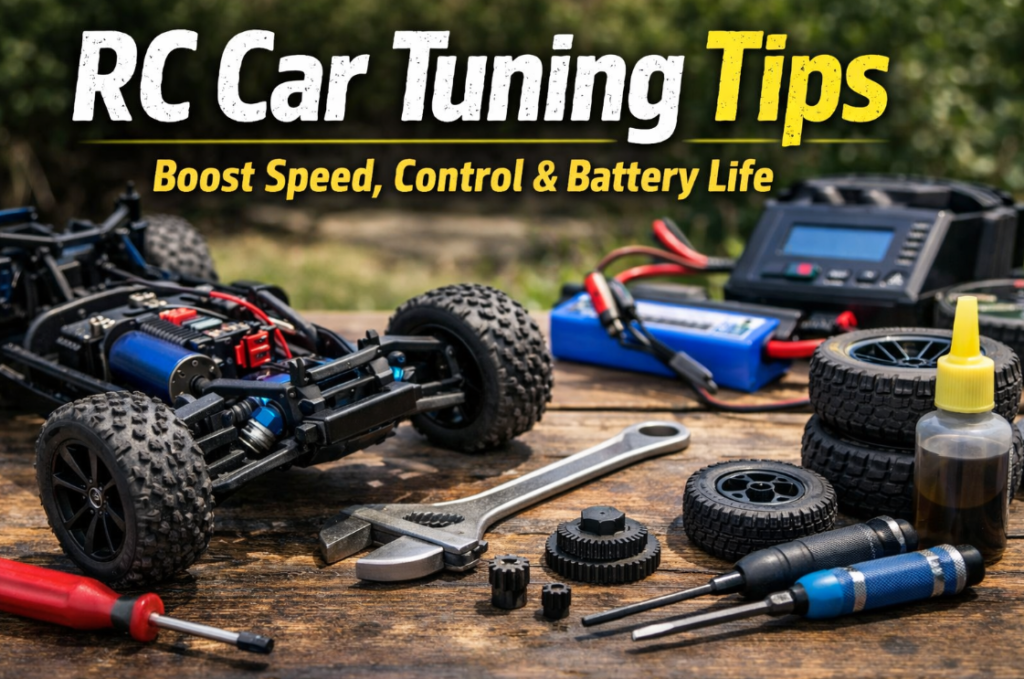
So if you want better speed, smoother handling, and longer battery life, these RC car tuning tips are a great place to start.
Why Tuning Matters More Than Expensive Upgrades
One thing beginners don’t realize is that most hobby-grade RC cars are already designed pretty well.
Manufacturers spend a lot of time balancing things like:
- weight distribution
- suspension geometry
- drivetrain efficiency
But the factory setup is always a general-purpose setup, not optimized for your specific driving style.
That’s where tuning comes in.
Once you start adjusting things like suspension, tires, and gearing, the car suddenly feels completely different.
And honestly, that’s when the hobby becomes really fun.
If you’re new to the hobby and still figuring out basic RC car setups, this beginner guide explains the fundamentals really well:
👉 What Does RTR Mean in RC Cars
Understanding how RC cars are built makes tuning much easier.
Tire Choice Is the Most Underrated Upgrade
If there’s one upgrade I always recommend first, it’s tires.
Most beginners immediately look at motors or batteries when they want more speed.
But here’s the truth:
Power doesn’t matter if the tires can’t grip the ground.
I’ve seen cars double their cornering performance just by switching tires.
Match Tires to the Driving Surface
Different surfaces require different tire types.
Here’s what usually works best:
Loose Dirt / Gravel
- Soft rubber compound
- Deeper tread patterns
These help the tires dig into loose terrain.
Asphalt / Pavement
- Low-profile tires
- Harder rubber compound
This improves stability and reduces tire flex at higher speeds.
If your RC car slides a lot or struggles to accelerate smoothly, tires are almost always the first thing to check.
Fine-Tuning Suspension for Better Handling
Suspension tuning sounds complicated, but even small changes can make a noticeable difference.
Adjust Ride Height
Ride height affects stability more than many people realize.
Lower ride height
- Better cornering
- Less body roll
- Ideal for smooth surfaces
Higher ride height
- Better bump absorption
- More ground clearance
- Useful for off-road driving
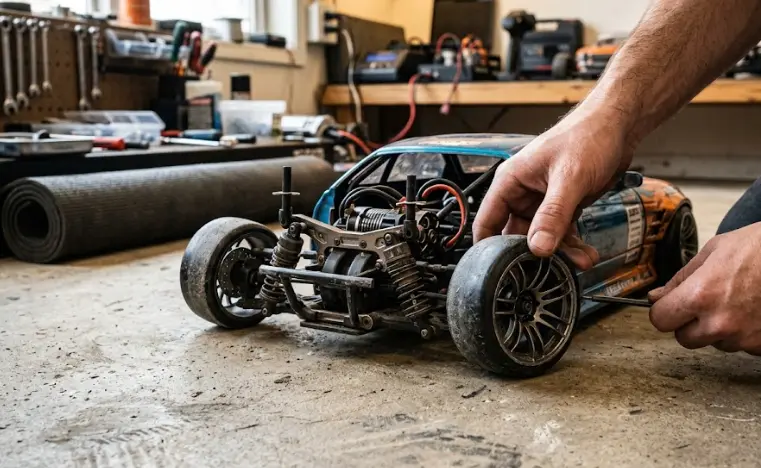
Personally, when I drive on pavement or parking lots, I lower the ride height slightly. The improvement in cornering stability is immediate.
If you’re still deciding where and how you want to drive your RC car, this guide explains the difference between on-road and off-road setups:
👉 Types of RC Cars Explained: On‑Road vs Off‑Road
Your driving environment changes everything about tuning.
Shock Oil and Spring Balance
Shock oil thickness controls how fast your suspension moves.
Thicker oil
- Slower suspension movement
- More stability at high speeds
Thinner oil
- Faster suspension response
- Better for rough terrain
Finding the right combination takes some experimentation, but dialing this in can dramatically improve handling.
Improve Speed Without Buying New Parts
One of the easiest ways to improve RC performance is gear ratio tuning.
Adjust the Gear Ratio
Changing the pinion gear changes how power is delivered.
Larger pinion gear
- Higher top speed
- Slightly slower acceleration
Smaller pinion gear
- Faster acceleration
- Slightly lower top speed
For backyard driving, I usually prefer stronger acceleration.
But if you have a big open space or track, higher top speed can be more fun.
Reduce Friction in the Drivetrain
This one sounds boring, but it makes a huge difference.
Dirty or poorly lubricated components create friction that quietly kills performance.
Things I always check:
- wheel bearings
- gear mesh
- drivetrain dirt buildup
A quick cleaning session can sometimes make a car feel faster immediately.
And the best part?
It costs nothing.
Battery Habits That Improve Performance
Battery performance affects both speed and runtime.
But most issues come from simple mistakes.
Use a Proper Balance Charger
A quality balance charger helps keep LiPo batteries healthy.
Good charging habits:
- avoid overcharging
- don’t run batteries completely dead
- store batteries properly
In my experience, a well-maintained battery performs noticeably better than one that’s been abused.
Watch Temperatures
Heat is the enemy of RC electronics.
Motors, ESCs, and batteries all lose efficiency when they get too hot.
During long driving sessions, I usually give my car a few minutes to cool down between runs.
That alone can extend the life of your electronics significantly.
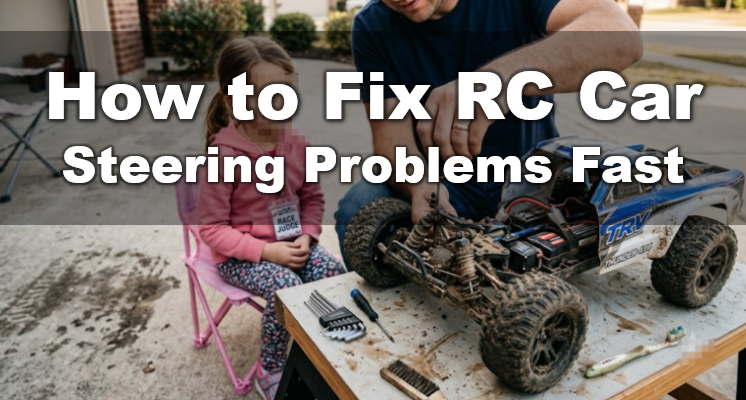
Steering Alignment and Precision
Steering adjustments can dramatically improve control.
Camber and Toe Adjustments
Small alignment changes affect how the car behaves.
Slight negative camber
- improves corner grip
Neutral alignment
- best for general driving
These adjustments may seem minor, but they can make the car feel much more stable.
Servo Setup
Steering response also depends on proper servo setup.
Things to check:
- steering endpoints
- servo horn alignment
- linkage tightness
When everything is adjusted properly, steering feels much more precise.
Simple Maintenance That Keeps Performance High
One thing I’ve noticed over the years:
Many RC problems come from basic maintenance being ignored.
Clean Your RC Car Regularly
Dust and debris build up quickly—especially if you drive off-road.
Cleaning helps:
- prevent drivetrain wear
- reduce friction
- identify loose parts early
Plus, it makes tuning adjustments easier.
Check Screws and Connections
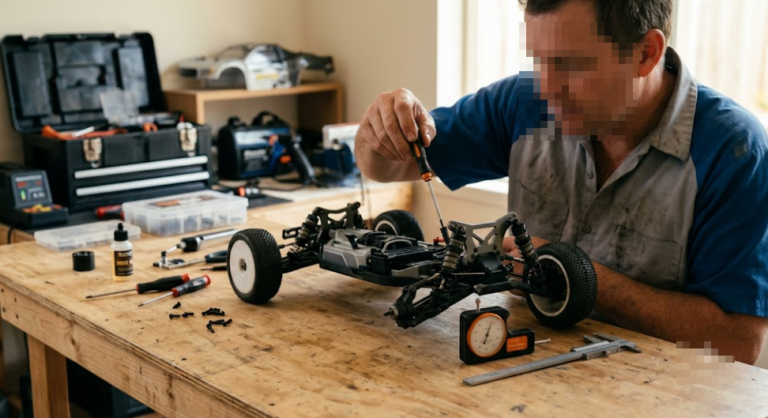
Before driving, I usually do a quick inspection:
- loose screws
- battery connectors
- suspension arms
- steering components
Loose hardware causes a surprising number of RC issues.
A 30-second check can save a lot of frustration later.
RC car tuning doesn’t need to be complicated.
And it definitely doesn’t need to be expensive.
Some of the biggest improvements come from simple things:
- better tires
- suspension adjustments
- proper gearing
- regular maintenance
Over time, you start to understand how your car behaves—and that’s when tuning becomes really satisfying.
Every small adjustment teaches you something.
And before you know it, the car feels faster, smoother, and way more fun to drive.
Because at the end of the day, the best RC upgrades aren’t always the most expensive ones.
Sometimes it’s just about understanding your machine a little better.