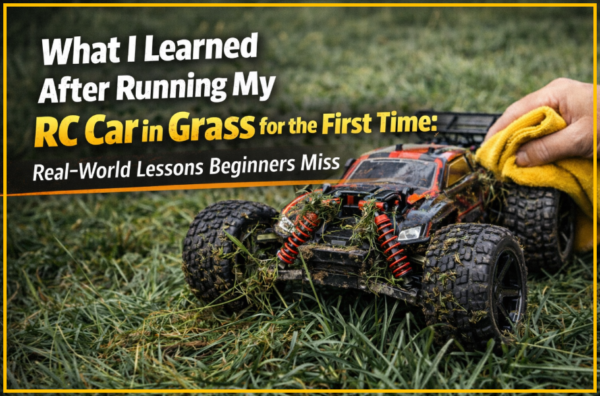
When I ran my RC car on grass for the first time, I didn’t expect anything unusual.
Grass looked soft. Safe. Almost easier than pavement. I honestly thought it would be a relaxed, beginner-friendly surface.
That assumption didn’t last very long.
Within the first few minutes, I could tell something felt off. The car wasn’t rolling as freely as it did on asphalt. The motor sounded slightly strained, and the acceleration felt heavier than normal. At first, I brushed it off and kept driving.
Looking back, that was my first mistake.
first mistake
Before that day, I had already read plenty of beginner guides and watched hours of RC videos. I even skimmed through maintenance tips on sites like trvbaby.net, especially their general RC care overview. Still, none of that prepared me for how different grass feels in real-world use.
Grass
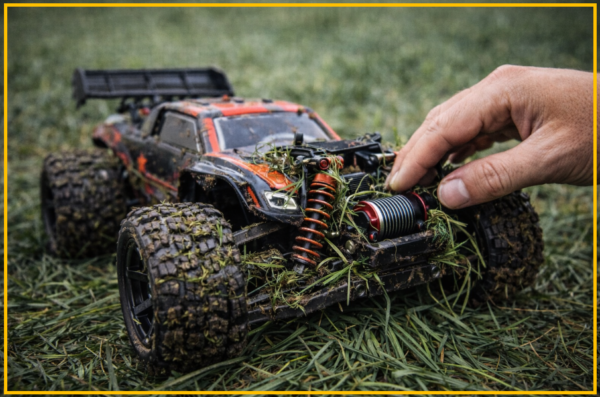
Grass adds resistance everywhere. The tires dig in. The drivetrain works harder. Small blades wrap around moving parts without you noticing. It doesn’t feel dramatic at first, but the load builds quickly.
After about ten minutes, I stopped and touched the motor. It was much hotter than I expected. That moment immediately reminded me of something I had read earlier about overheating causes. On paper, it made sense. In practice, it hit harder.
Grass reduces airflow, increases rolling resistance, and traps heat all at once. If you are new to RC cars, this combination is brutal. It explains why so many beginners deal with overheating without realizing the surface is the real problem.
Traction
Traction was another surprise. I expected better grip, but what I experienced was inconsistency. Sometimes the tires grabbed aggressively. Other times, they slipped without warning. That uneven behavior puts extra stress on differentials and driveshafts, especially on budget models.
Maintenance became unavoidable the moment I brought the car back inside. Grass clippings were packed into suspension arms, wrapped around shafts, and stuck near the motor mount. Cleaning took longer than the run itself.
At that point, I remembered a cleaning guide I had read before but never took seriously. Running on grass makes skipping post-run cleaning a bad idea. Bearings, moving parts, and electronics all suffer if debris is left behind.
Battery performance
Battery performance was the final lesson. My runtime dropped noticeably compared to driving on concrete. The battery drained faster, and voltage sag showed up earlier. It’s easy to blame the battery when this happens, but the surface plays a bigger role than most beginners realize.
After thinking it over, I don’t believe grass is bad for RC cars. What I do believe is that grass is misunderstood. It demands better temperature awareness, smarter maintenance habits, and more respect for drivetrain stress.
By the end of that first grass run, my perspective had changed completely. Grass isn’t a beginner surface. It’s an advanced one that quietly exposes weaknesses in setup and habits.
Running on grass taught me lessons no manual ever could. It forced me to pay attention, slow down, and take maintenance seriously. In the long run, that experience made me more careful and more confident with my RC car.
If you’re new to RC cars, my honest advice is simple. Try grass eventually, but don’t treat it lightly. Watch temperatures, clean thoroughly, and understand what you’re asking from your machine.