How to Extend RC Car Lifespan (7 Habits That Actually Work)
Extend RC Car Lifespan – 7 Habits That Actually Work
My daughter is six, and every single weekend she asks the same question before we even get our shoes on: “Are we driving the truck today?” So we drive the truck. A lot. And for the first year I owned this hobby, I was quietly destroying my RC car without even realizing it, one bad habit at a time.
I found that out the expensive way, after replacing a motor, a set of bearings, and a battery pack that died way sooner than it should have. None of that was bad luck. It was just me not knowing what actually wears an RC car down versus what people online swear wears it down. So here is what I changed, in the order it actually made a difference.
Why RC Cars Die Faster Than They Should
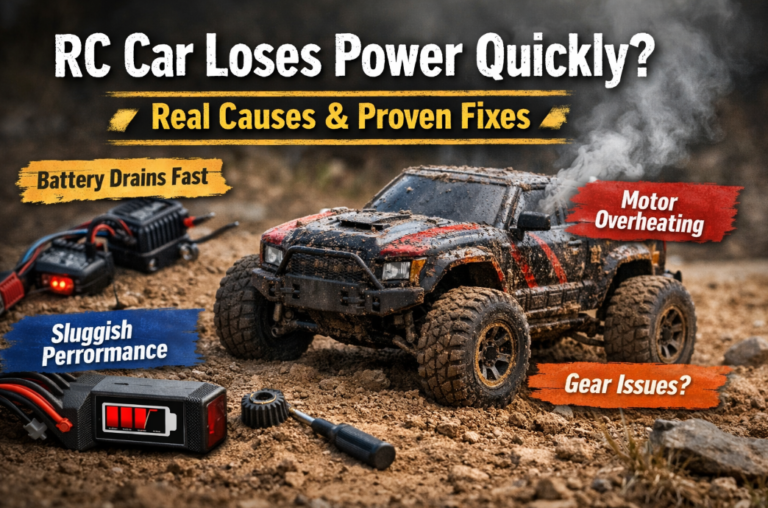
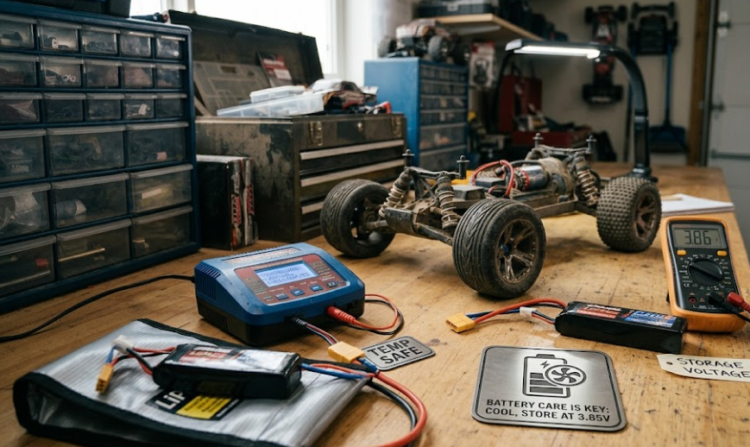
Most RC cars do not fail because the car itself is cheap or poorly built. They fail because of small, repeated habits that nobody warns you about when you buy one. Charging the battery wrong, running the car through mud without cleaning it, storing it in a hot garage all summer, these things pile up quietly. By the time something actually breaks, you usually cannot tell which habit caused it.
The good news is that the fixes are boring, cheap, and take about five extra minutes per session. That is really the whole secret.
The Battery Is Usually the First Thing to Go
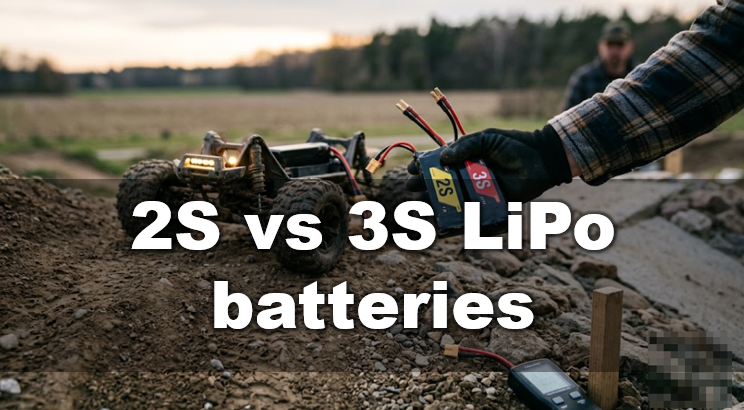
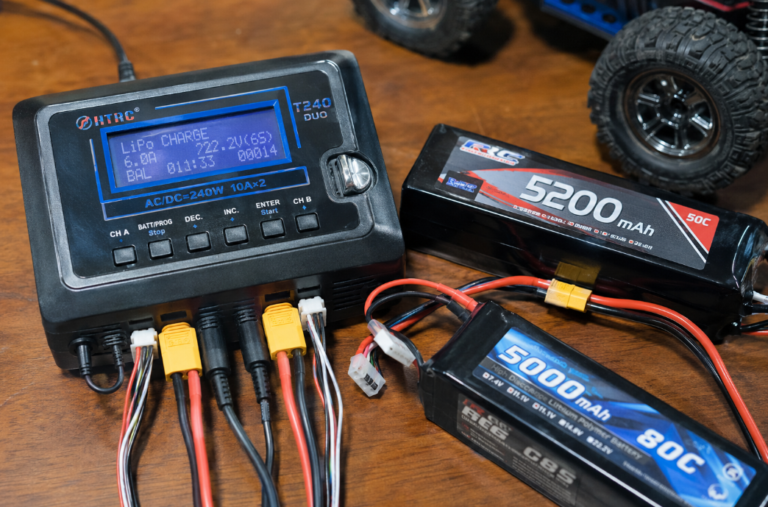
If you want one habit that pays off more than anything else, it is battery care. LiPo and Li-Ion packs do not fail because of age alone, they fail because of heat, deep discharges, and being left at full charge in a hot car for weeks.
A few things that actually helped my packs last longer:
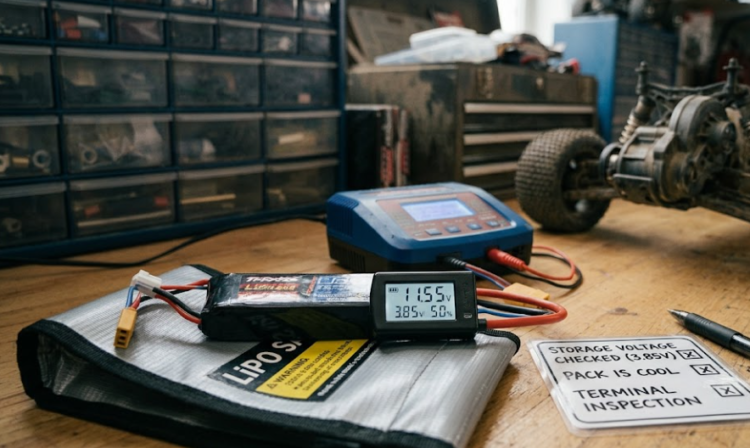
Charge at room temperature, never right after a run when the pack is still warm. Let it cool down for at least fifteen minutes first. Store packs at storage voltage instead of full charge if you are not driving again within a few days. And stop running the pack down to near zero every single time, since that stresses the cells more than people assume.
If your packs keep dying early no matter what you try, it might genuinely be time for an upgrade rather than another workaround. I went through this exact decision last year and wrote up everything I learned about choosing a higher capacity battery pack, including the trade-offs nobody mentions before you buy one.
Motor and Drivetrain Habits That Add Years
The motor and gears take a beating every time the car runs, but most of that wear is preventable. Dust and dirt work their way into the gearbox and diff over time, and that grit is what actually grinds parts down, not the driving itself.
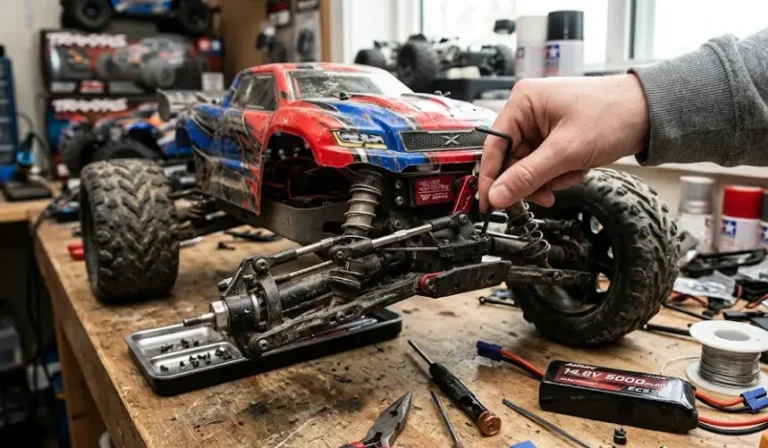
After a dirty run, I pull the shell off and check the gearbox before doing anything else. If it looks packed with dirt or the gears feel gritty when I turn the wheels by hand, that is my cue to clean it that day instead of waiting until the weekend. Waiting is exactly how I stripped a set of gears the first time around.
Lubrication matters just as much. A dry diff or dry driveshaft creates friction that slowly cooks the plastic housing around it, and that is a repair that costs way more than a bottle of gear grease would have.
Watch the Motor Temperature, Not Just the Speed
A hot motor is a motor that is working harder than it should, usually because of a gearing mismatch or a drivetrain that is binding somewhere. If you can touch the motor casing right after a run and it is uncomfortably hot rather than just warm, something upstream needs attention before you run it again.

Cleaning and Storage Habits Nobody Talks About
This is the part everyone skips because it feels unnecessary, and it is also the part that quietly does the most damage over months. Dirt left on the chassis holds moisture. Moisture sits against metal parts. Metal parts rust or corrode slowly enough that you do not notice until something stops working right.
After every dirty session, a quick wipe down of the chassis and a blast of compressed air into the gearbox area takes maybe three minutes. That is genuinely the entire habit. Store the car somewhere temperature stable rather than a hot garage or a cold shed, since extreme temperature swings are hard on both the electronics and the plastic body panels.
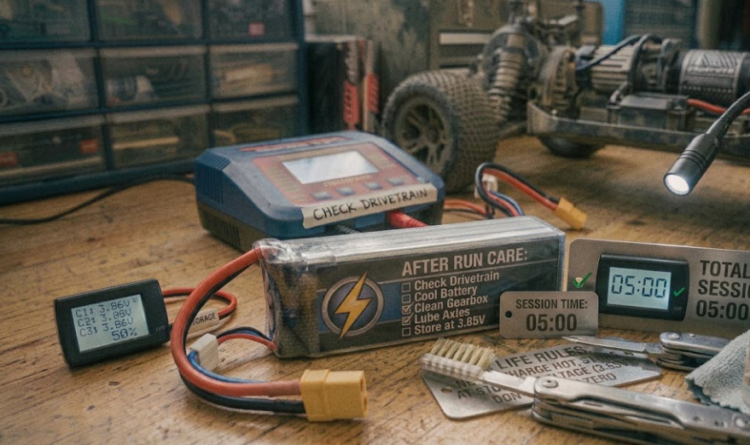
If you want a repeatable system instead of trying to remember all of this every time, I put together a full RC car maintenance checklist that walks through exactly what to check after every run and what can wait until the weekend.
Small Habit, Big Payoff
None of this requires becoming a mechanic. It requires about five extra minutes after each run and paying attention to the same three or four things every single time. My truck has outlasted two of my daughter’s other toys at this point, and the only difference is that I stopped treating maintenance as optional.
Quick Recap
Keep the battery cool before charging, store it at storage voltage when it is sitting for a while, clean the gearbox and diff after dirty runs, keep everything lightly lubricated, and store the car somewhere with stable temperature. That combination is what actually extends the life of an RC car, not luck and not the price tag on the box.
Frequently Asked Questions
How long should an RC car actually last? With regular cleaning and proper battery habits, a well built RC car can easily run for several years of weekend use before major parts need replacing.
What kills an RC car the fastest? Heat and dirt cause more damage than rough driving does. A hot battery charged carelessly and a gearbox packed with grit will end a car’s life far faster than jumps or crashes.
Do I need to clean my RC car after every run? Only after dirty or wet runs. A quick wipe down and a check of the gearbox takes a few minutes and prevents most of the long term damage people run into.