RC Car Steering Motor Works Briefly Then Stops? Here’s Why
My RC Car Steering Works for a Few Seconds, Then Stops
An rc car steering motor that cuts out after a few seconds of normal use is a pattern I’d take seriously, but not panic over. The wheels move fine at first, then nothing. Wait a minute and sometimes it comes back on its own. That on-again, off-again behavior usually points somewhere specific — it’s rarely the servo just randomly dying.
In my case, the first thing I’d check is heat. A steering servo can get surprisingly warm when it’s constantly fighting against resistance instead of just holding position. A slightly bent linkage can cause that. So can a front end that’s a little out of alignment, or a servo horn rubbing against the chassis where it shouldn’t. The servo heats up, its internal protection kicks in, and steering just stops. If it comes back after sitting for a bit, I’d suspect overheating before assuming the servo is dead.
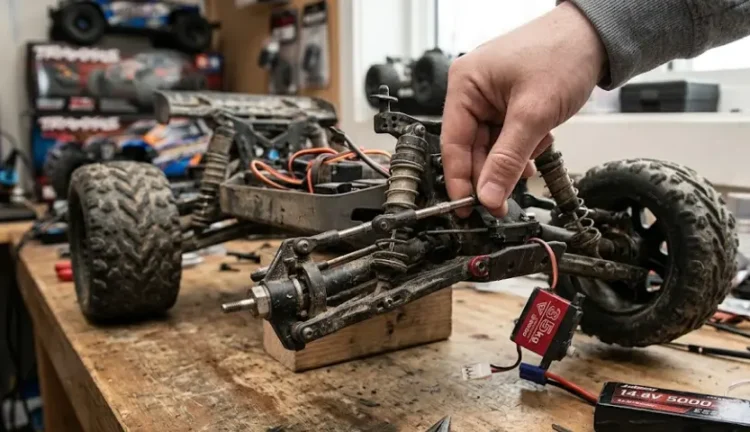
Check the Steering by Hand First
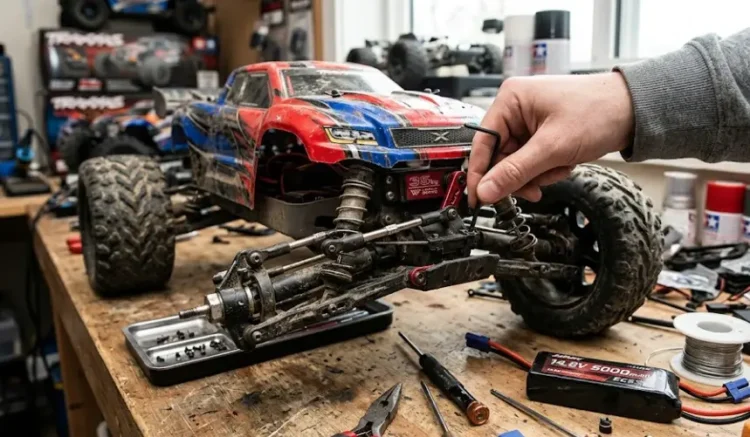
I wouldn’t skip this step. It’s easy to miss because the problem isn’t always visible just by looking at the front end. You don’t need a big crash to cause it, either. A small curb hit, a rollover, or a screw tightened a bit too much during a rebuild can change how freely everything moves.
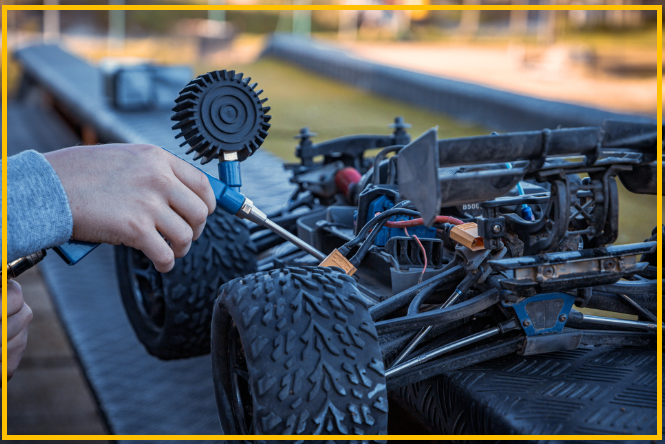
With the servo unplugged, turn the front wheels by hand. They should move smoothly through the whole range. Any tight spot, grinding, or extra resistance in one direction — fix that before touching the electronics at all.
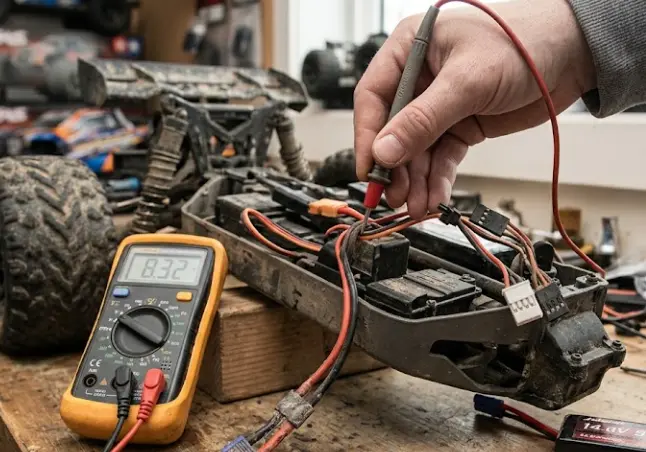
Don’t Forget the Battery and Connectors
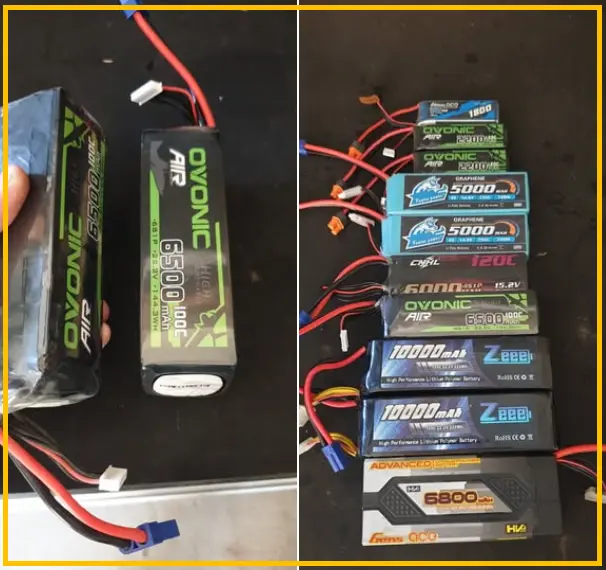
The next thing I’d look at is power delivery. This shows up more when the servo is already working near its limit — heavier tires, a body swap, or just driving the truck harder than it was set up for. Under that kind of load, voltage to the servo can sag right when it needs the most current.
Connectors matter here too. A loose or slightly corroded connection can look completely fine when the car is sitting still, then cause trouble the moment the servo actually needs power. If the issue started right after a hard landing or a rough run, I’d check the plugs and wiring before spending money on a new servo.
Of course, the servo itself may simply be worn out. The internal gears wear down over time, and a tired servo can still turn freely with no load on it. Put some resistance on the steering, though, and it stalls. If the linkage moves freely and the wiring checks out, swapping in a spare servo — even temporarily — is the fastest way to know for sure.
Before You Buy a New Servo
One thing that threw me off at first is that the steering wasn’t completely dead — it worked, then quit. That’s a different problem than steering not responding at all, and it’s easy to chase the wrong fix if you mix the two up. I go through that distinction in more detail here: rc car steering problems explained.
If you’ve already gone through the mechanical side and it still cuts out, especially if it feels more electrical than physical, there’s a full diagnostic order worth following instead of guessing: rc car steering not responding.
I wouldn’t replace the whole steering setup over this. Check how the wheels move by hand, then the wiring and connectors, then the servo. One of those three usually turns out to be the answer.
Related Posts
👉 RC Car Steering Problems Explained-Causes, Fixes, and Real-World Solutions
👉RC Car Steering Not Responding: Real Causes, Practical Fixes, and What Most Hobbyists Miss