
Best RC Drift Cars and Setup Tips for Smooth, Realistic Drifting
The first time I saw an RC drift car slide sideways across a polished concrete floor, I stopped what I was doing. No explosions. No crazy speed. Just smooth, controlled motion that looked almost too clean to be real.
Back then, I honestly believed drifting was simple. Buy an expensive RC car, slap on drift tires, and you’re good to go. Turns out, that idea couldn’t be more wrong.
After building, breaking, fixing, and rebuilding more RC drift cars than I’d like to admit, I’ve learned one thing the hard way: RC drifting is all about balance. The right chassis helps, sure. But setup, patience, and understanding why things work matter way more than copying someone else’s parts list.
That’s exactly what this guide is about.
What Makes a Good RC Drift Car
Chassis Design and Weight Balance
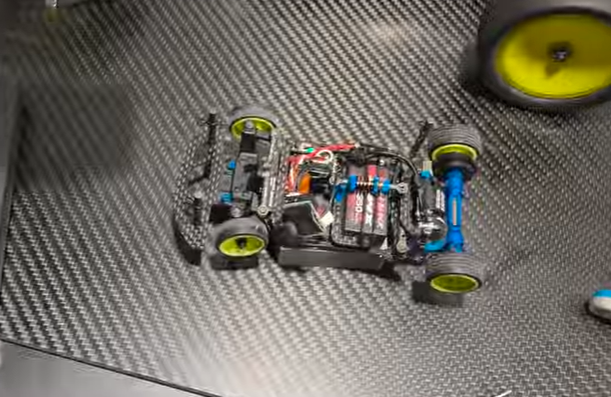
In my experience, everything starts with weight balance. That’s why rear-wheel-drive (RWD) chassis dominate the RC drift world. They give you smoother throttle control and much more realistic transitions between corners.
I’ve run AWD drift setups before. They’re easier at first, especially for beginners, but personally, I find them a bit numb. They slide, but they don’t feel like drifting.
A well-balanced chassis with the motor mounted low and centered makes the car predictable. I also prefer lighter builds. They react faster to small steering inputs, which really helps once you start linking corners instead of just power-sliding.
Steering Angle and Suspension Geometry
This is where most beginners underestimate things.
Steering angle matters more than motor power. Period.
A wider steering angle lets you hold deeper drift angles without instantly spinning out. I’ve noticed bigger improvements from adjusting camber and toe than from swapping electronics.
Suspension geometry controls how the car shifts weight mid-drift. What works best for me is a softer front suspension with a slightly stiffer rear. It makes transitions smoother and feels closer to how real drift cars behave.
Best RC Drift Cars for Beginners and Enthusiasts
Entry-Level RC Drift Cars
If you’re new to RC drifting, I honestly think entry-level cars are the smartest place to start. Brands like MST and Yokomo offer solid RTR and kit options that don’t overwhelm you.
These platforms are forgiving. You can focus on learning throttle control and steering instead of constantly fixing broken parts.
That’s exactly how I started. Basic chassis. Slow upgrades. That process taught me way more than jumping straight into a high-end build ever would.
Advanced RC Drift Chassis
Once you’ve got experience, higher-end chassis really start to shine.
Adjustable motor mounts, refined steering racks, and multi-link rear suspension setups give you a lot more tuning freedom. In my experience, these cars reward experimentation.
Sometimes a tiny adjustment completely changes how the car drives. It can be frustrating—but when you get it right, it’s incredibly satisfying.
RC Drift Setup Tips That Actually Work
Tire Selection and Surface Matching
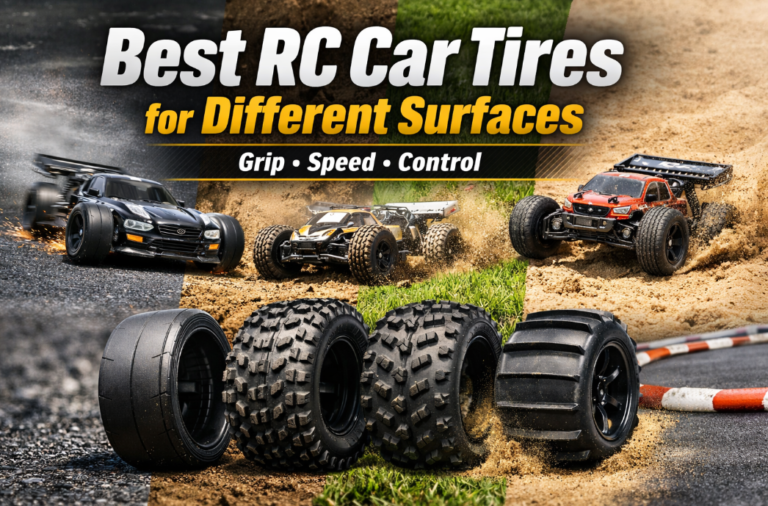
If I had to pick one thing that matters most in RC drifting, it’s tires.
Hard plastic tires work great on smooth indoor floors. Softer drift tires perform better on rough concrete or asphalt.
I’ve tried more tire combinations than I can remember, and I still believe this: matching your tires to your surface matters more than the brand name. Consistency always beats hype.
Differential and Gear Settings
For drifting, I strongly prefer locked or spool differentials. They keep the rear end predictable and make slides smoother.
As for gearing, don’t chase top speed. Drifting is about control, not going fast. Smooth acceleration makes everything easier to manage.
Electronics That Improve Drift Control
Gyro and Servo Selection
Some people say using a gyro is cheating. I don’t agree.
Used correctly, a gyro is just a tool. I run mine at low gain so it helps stabilize the car without taking away control. It prevents snap oversteer but still lets me drive.
A fast digital servo also makes a noticeable difference. Faster response means smoother corrections, especially mid-drift.
ESC and Motor Choices
I’ve always preferred sensored brushless systems for drifting. Throttle control is everything.
You don’t need crazy power. A mid-range motor paired with a quality ESC gives smooth, predictable acceleration. That consistency matters way more than raw horsepower.
Learning to Drift Takes Time
This might be the most important part.
Drifting doesn’t click overnight.
I spent weeks spinning out, hitting walls, and getting frustrated. Things only improved once I slowed down and focused on smooth inputs instead of speed.
Watching other drivers helped, but nothing replaced seat time. Practice on the same surface, with the same setup, until muscle memory starts to build.
Common RC Drift Mistakes to Avoid
Over-tuning too early is a huge mistake. I made it myself.
Changing five things at once makes it impossible to know what actually helped. I’ve learned to adjust one thing at a time and test properly.
Another common issue is ignoring alignment. Toe, camber, and ride height affect drift behavior more than many expensive upgrades ever will.
Internal Resources You May Find Helpful
If you want to go deeper into RC basics, these guides might help:
- RC fundamentals: https://trvbaby.net/rc-car-basics
- Maintenance tips: https://trvbaby.net/rc-car-maintenance-guide
- Motor and ESC comparison: https://trvbaby.net/brushless-motor-esc-guide
At the end of the day, RC drifting is about feel, not perfection.
The best RC drift car isn’t the most expensive one. It’s the one you understand and enjoy driving. Setup matters, but confidence behind the transmitter matters more.
Drifting teaches patience and control in a way few RC hobbies do. If you’re willing to experiment, practice, and learn from mistakes, it becomes incredibly rewarding.
FAQ
What is the best RC drift car for beginners?
From my experience, beginner-friendly chassis from MST or Yokomo offer the best balance of price and performance.
Do I need a gyro for RC drifting?
I think a gyro helps, especially when you’re starting out. Used properly, it improves control without replacing skill.
Are expensive upgrades necessary?
Not really. Good setup and practice usually outperform expensive parts.
What surface is best for RC drifting?
Smooth concrete or polished indoor surfaces work best. Consistency matters more than the surface itself.