Brushed vs Brushless RC Motors: Which One Makes Sense for Your RC Car?
RC cars are pure fun—right up until you realize you don’t actually know what’s powering the thing.
You bought the truck, charged the battery, pulled the trigger… and then someone casually asks,
“Is that brushed or brushless?”
And suddenly, you freeze.
I’ve been in that exact spot. Back then, I honestly thought motors were just motors. Plug it in, hit the throttle, done. But after one upgrade completely changed how my RC car felt on the ground, my thinking shifted. In my view, understanding brushless RC motors versus brushed ones is one of those small bits of knowledge that quietly make a huge difference.
So let’s talk about it—plain language, no engineering lecture, no sales pitch.
What RC Motors Actually Do (And Why They Matter More Than You Think)
At the center of every RC car is the motor. That’s where electrical power turns into movement. Speed, torque, heat, runtime, even how controllable the car feels—all of it starts here.
From my perspective, choosing between brushed and brushless motors isn’t really about chasing “the best.” It’s about picking what fits the way you actually drive.
Before comparing them side by side, it helps to understand how each one works on its own.

Brushed RC Motors Explained: Simple, Old-School, Still Relevant
How Brushed Motors Work
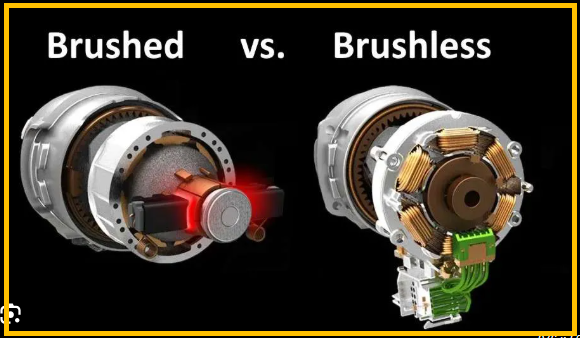
Brushed motors rely on physical brushes making contact with a commutator to spin the motor. It’s a design that’s been around forever.
Simple is good. Simple is affordable. Simple also comes with limits.
I also think this simplicity is exactly why so many beginners start here. There’s less to worry about, less to break, and fewer decisions to make.
Pros of Brushed RC Motors
- Lower upfront cost
- Cheaper ESCs
- Easier for beginners to understand
- Smooth control at low speeds
Cons of Brushed RC Motors
- Brushes wear out over time
- Less efficient
- Generates more heat
- Limited top-end power
For casual driving, kids’ cars, or weekend backyard runs, brushed motors are completely fine. If you’re new, there’s nothing “wrong” with starting here.
Brushless RC Motors Explained: Where the Hobby Changes
How Brushless Motors Work
Brushless RC motors remove physical brushes entirely. Instead, everything is controlled electronically by a brushless ESC.
Yes, it’s more complex. But the payoff is real.
The first time I made the switch, I noticed it immediately. Throttle response felt sharper. Acceleration was cleaner. The car felt more connected to my inputs. In my opinion, that’s the moment when RC driving starts feeling less like a toy and more like a hobby.
Pros of Brushless RC Motors
- Much higher efficiency
- Stronger torque and faster acceleration
- Longer lifespan
- Less heat buildup
- Better battery runtime
Cons of Brushless RC Motors
- Higher initial cost
- Requires a compatible ESC
- Extra power can expose weak drivetrains
From my point of view, brushless RC motors aren’t just an upgrade. They’re a different experience altogether.
Brushed vs Brushless RC Motors: Real Differences That Matter
Performance
There’s no sugarcoating this. Brushless motors win here. Higher RPM, more torque, quicker response. It’s noticeable even if you’re not chasing top speed.
Durability and Maintenance
Brushed motors wear because parts physically touch each other. Brushless motors don’t. That alone explains why brushless setups last longer.
I also think this matters more than people expect. Less maintenance means more driving—and fewer weekends spent fixing things you didn’t plan to break.
Cost Over Time
Brushed motors are cheaper upfront. Long term, brushless often makes more sense. Fewer replacements, better efficiency, and less heat-related damage add up.
Which Motor Should You Choose?
Brushed Makes Sense If…
- You’re brand new to RC cars
- You’re working with a tight budget
- You drive casually
- You want the simplest setup possible
Brushless Makes Sense If…
- You want real speed and power
- You plan to upgrade over time
- You run LiPo batteries
- You care about efficiency and longevity
From my experience, most hobbyists eventually move to brushless anyway. The only real question is how long they wait.
Real-World RC Driving Scenarios
Bashers and Off-Road Trucks
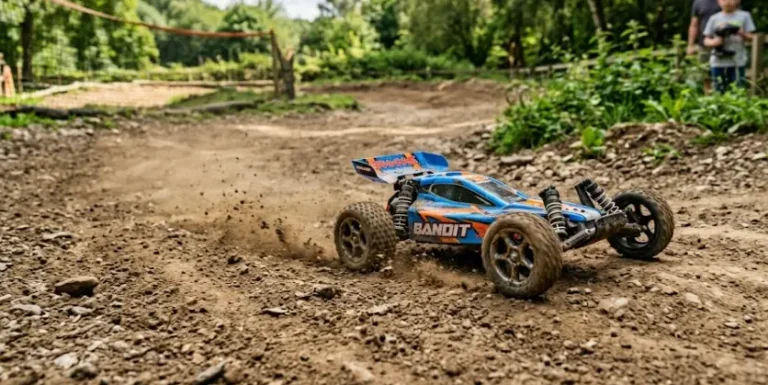
Brushless systems really shine here. Dirt, jumps, and aggressive driving demand power and durability.
Crawlers and Scale RC Cars
This is where things get interesting. Brushed motors still make sense. Low-speed control matters more than outright power.
I also believe this is why brushed motors still deserve respect. They’re not outdated—they’re just specialized.
Helpful Internal Guides Worth Checking Out
If you’re planning upgrades or learning maintenance, these guides pair well with motor decisions:
- RC car maintenance basics
- 2WD vs 4WD RC Cars: Beginner Differences Explained Clearly
- RC Transmitters and Receivers Explained
Each one covers something that directly affects motor performance and reliability.
Common Mistakes When Switching to Brushless RC Motors
Ignoring Drivetrain Limits
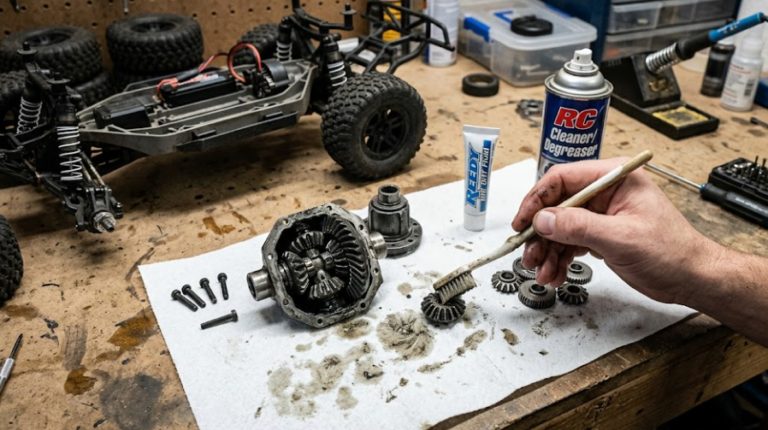
More power means more stress. Weak gears don’t magically get stronger just because the motor is better.
Choosing the Wrong KV Rating
Higher KV isn’t always better. Matching KV to your car and terrain matters more than people think.
I also feel this is where many drivers get frustrated and blame the motor when the setup is the real issue.
At the end of the day, brushed vs brushless RC motors isn’t about right or wrong. It’s about fit.
I also think that if RC cars are something you plan to stick with, brushless is worth it. The performance jump, efficiency, and long-term value are hard to ignore.
That said, brushed motors still have a place—and that’s perfectly fine.
Choose what matches how you drive, not what looks best on a spec sheet.