RC ESC failure symptoms and How to Fix Them – Troubleshooting
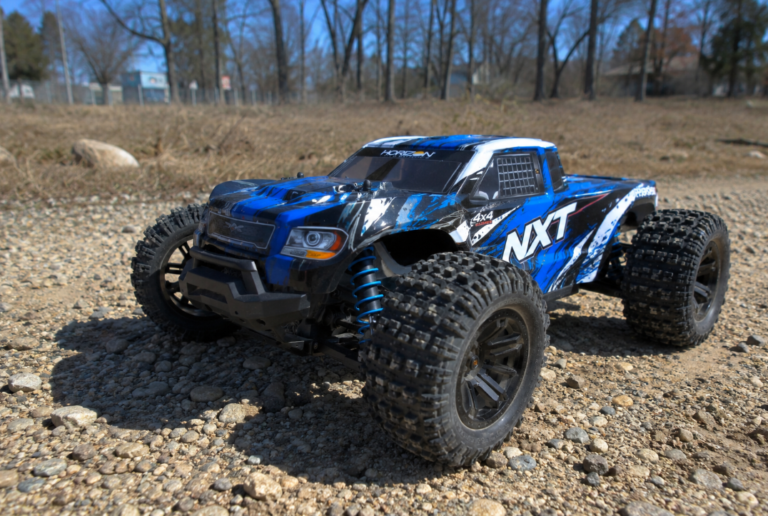
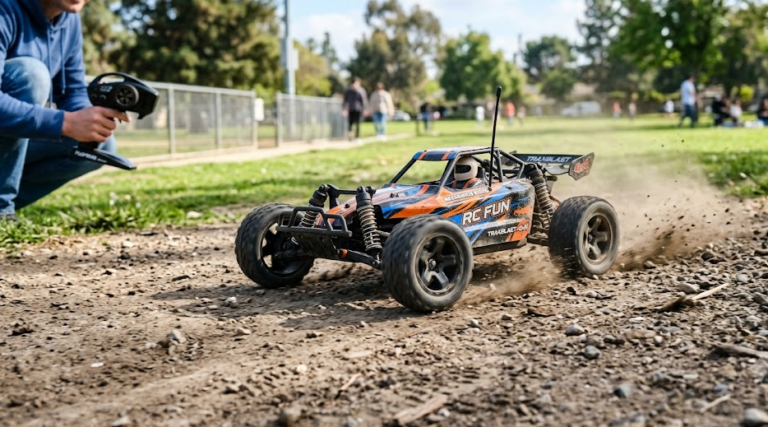
Picture this: it’s a gorgeous Saturday afternoon, your LiPo battery is freshly charged, and you just arrived at your local dirt track to send your short course truck over a massive triple jump. You pull the trigger on your transmitter, expecting that instant, satisfying spray of dirt, but your truck just sits there making this pathetic, high-pitched twitching noise.
Let me tell you, there is absolutely nothing that kills your weekend vibe faster than a dead rig right when you’re ready to rip. When your Electronic Speed Controller (ESC) goes down, your entire day comes to a grinding halt, turning a multi-hundred-dollar machine into a heavy plastic paperweight.
Over the years, learning how to spot a dying speed controller has saved me tons of cash, and it’ll definitely save your motor, your battery, and your sanity. Let’s dive into what you need to look out for.
What the Heck is an RC Speed Controller Anyway?
Before we start tearing your chassis apart, we should probably look at what this expensive little plastic box actually does.
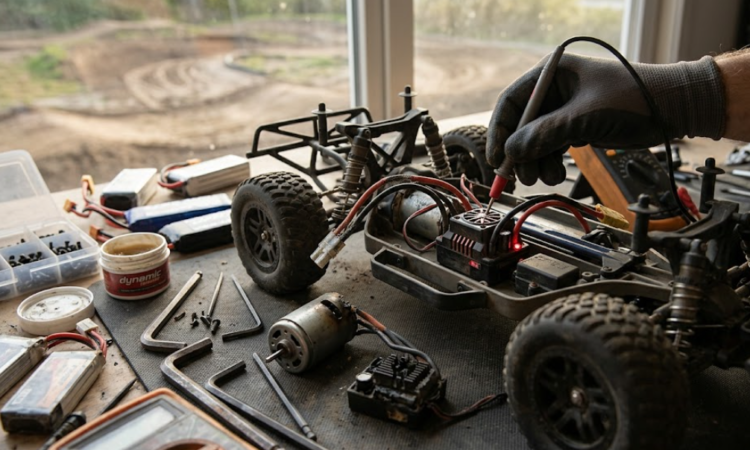
Think of the ESC as the brain of your vehicle’s entire powertrain. It takes the tiny radio signals from your receiver and translates them into raw, screaming voltage sent directly to your brushless or brushed motor. It regulates your acceleration, handles your braking curves, and usually keeps your steering servo powered through an internal Battery Eliminator Circuit (BEC).
Because it manages massive amounts of electrical current in a tiny, enclosed space, it constantly operates under ridiculous amounts of stress. If you’re a beginner and want some simple breakdowns of hobby tech, you should definitely check out my deep-dive on basic electronics setup and radio configurations.
The Warning Signs Your ESC is Screaming for Help
When a speed controller begins to fail, it rarely happens silently. In my experience, it usually throws a massive temper tantrum that shows up as highly annoying driving behaviors. Keep an eye out for these classic RC ESC failure symptoms.
1. That Awful Motor Cogging and Stuttering
One of the most frequent signs of trouble is a phenomenon known as “cogging.” You pull the throttle, and instead of taking off smoothly, the car shudders, jerks forward haltingly, or acts like it’s struggling to find its footing. This happens when the ESC loses track of the rotor position inside your brushless motor or fails to deliver smooth, sequential phases of electrical power. Trying to drive a cogging truck is like riding a bicycle with a chain that keeps skipping every two seconds—it’s a clear warning that your internal circuits are miscommunicating.
2. The “Ghost Town” (Steering Works, But Zero Throttle)
This is a classic scenario that leaves a lot of hobbyists scratching their heads at the workbench. You turn the wheel on your transmitter, and the front tires snap back and forth perfectly, but when you hit the gas, there is absolute silence from the motor. Why? Because the low-voltage circuit powering your steering servo is still alive, but the heavy-duty field-effect transistors (FETs) responsible for dumping massive power to the motor have completely fried. The brain of the unit is awake, but the muscles are entirely paralyzed.
3. Erratic Behavior and Random Sudden Shutdowns
Sometimes, your RC vehicle might run beautifully for five minutes and then suddenly die out of nowhere. The tiny LEDs on the casing might flash in weird patterns, or worse, the car might take off at full throttle without you even touching the controls (which is absolutely terrifying, by the way). These erratic behaviors point to an internal thermal overload or a corrupted microprocessor inside the unit, meaning the internal safety thresholds are totally broken.
What Actually Kills a Speed Controller?
Electronic components don’t just die without a reason—they’re typically built to withstand some serious track abuse. Usually, a specific environmental mistake or a mechanical oversight forces them over the edge.
Thermal Overload and Horrible Gearing Choices
Heat is the absolute ultimate enemy of all RC electronics. If you install heavy aftermarket tires, or if you change your pinion gear to a size that is way too large for your motor setup, you force the system to pull way more amps than it was ever designed to handle. Slapping a massive pinion gear on your motor just to impress your buddies with speed runs on thick grass is a one-way ticket to a literal meltdown. I actually talked about optimizing your drivetrain efficiency in an earlier post, which might save you a few bucks before your next track day.
Water Damage and the Myth of “Waterproof” Electronics
Even if the box says “waterproof,” there is a massive difference between splashing through a shallow morning puddle and submerging your chassis in a muddy pond. Over time, fine wet dirt, sand, and moisture can bypass the factory silicone seals on your electronics. Once moisture bridges the tiny metal gaps on the circuit board, it creates an immediate short circuit that can instantly ruin the delicate microchips beyond repair.
How I Fix My Glitching Speed Controllers Step by Step
Fixing a glitching controller doesn’t always mean you have to throw it in the trash and buy a replacement. There are several troubleshooting steps I always try first to revive a misbehaving vehicle.
Step 1: Re-Calibrate Your Radio Endpoints
The very first thing you should try is a complete factory recalibration because sometimes the electronics simply forget the signals coming from your radio transmitter.
- Turn on your transmitter.
- Hold down the small calibration button on your vehicle’s power switch and turn the vehicle on. The unit will enter a programming mode, usually indicated by a series of high-pitched beeps and a flashing red light.
- Leave the transmitter trigger at neutral and press the calibration button once to set the zero point.
- Pull the trigger to full throttle and press the button again.
- Push the trigger to full brake and press the button one final time. Turn the vehicle off and back on, and you might find that your normal throttle response has magically returned.
Step 2: Check the Little Stuff (Sensor Wires and Connections)
If you’re running a high-end sensored brushless system, a tiny break in the delicate sensor harness can mimic a total electronic breakdown. Unplug the small ribbon cable that connects the back of your motor to your ESC and inspect the tiny pins for hidden dirt or corrosion. Cleaning the ports with a dedicated electronics cleaner spray or replacing the sensor wire entirely can fix severe stuttering issues instantly.
Step 3: Check Battery Sag and Voltage Cutoff Thresholds
Modern ESCs feature a built-in low voltage cutoff (LVC) designed to protect Lithium Polymer (LiPo) batteries from dropping to dangerous voltage levels. If this setting is configured incorrectly, or if your battery pack has a damaged cell that drops voltage under a heavy load, the system will instantly cut power to your motor to protect the cells. Try running a completely different, healthy battery pack to see if the sudden shutdown symptom disappears.
Keeping Your Electronics Alive for the Long Haul
Taking care of your electronics ensures that you spend more time driving on the dirt and less time turning wrenches at the workbench. Taking just five minutes to clean your rig after a rough run saves you hundreds of dollars down the line.
Always make sure your cooling fan is spinning freely and clear of small pebbles after every single run. Keep your drivetrain rolling smoothly without any mechanical binding, and never push your vehicle to its absolute limits on blistering hot summer days. By paying close attention to how your vehicle sounds and feels, you can catch minor electrical glitches before they turn into permanent failures.
Have you ever fried an ESC on the track? What symptoms did you notice first? Let me know in the comments below!