RC Car Suspension Basics: What Every Beginner Should Actually Know
RC Car Suspension Basics: What Every Beginner Should Actually Know
The first time I really paid attention to RC car suspension wasn’t while reading specs or watching a review.
It happened when my brand-new RC truck bounced like a pogo stick, flipped over a tiny bump, and slid upside down across the dirt.
I remember standing there thinking, “Did I seriously waste money on this thing?”
Honestly, I also felt a bit stupid. Everyone online talked nonstop about motors, ESCs, and batteries, yet no one explained why the car couldn’t stay planted on the ground. In my opinion, RC car suspension is the most misunderstood part of the hobby, especially for beginners.
RC car suspension isn’t about comfort or looks. It decides how your car grips, turns, lands jumps, and survives crashes. I also believe most beginners struggle not because their RC car is bad, but because they never learned what suspension actually does.
What RC Car Suspension Really Does
RC car suspension controls how your vehicle reacts to the ground. When the wheels hit bumps, land jumps, or load up in corners, the suspension absorbs energy and keeps the tires in contact with the surface.
From my perspective, traction is the real keyword here.
Without proper suspension, power is wasted. You can install the fastest motor available, but if your tires are bouncing, that power never reaches the ground. I also think this is why many beginners describe their RC car as “hard to control,” even at low speeds.
If you want a mechanical breakdown beyond suspension alone, this internal guide helped me early on:
RC Car Maintenance Basics Explained for Beginners
The Core Components of RC Car Suspension
Shock Absorbers Explained Without the Jargon
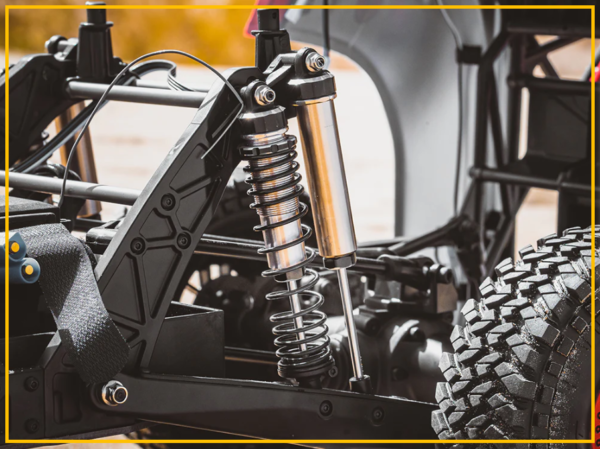
Shock absorbers are the heart of RC car suspension. Inside each shock is oil and a piston. When the suspension compresses, oil is forced through small holes, slowing movement.
That resistance is what controls the car.
In my experience, shock oil weight matters more than most beginners expect. Thicker oil slows movement and feels more stable on smooth surfaces. Thinner oil reacts faster and works better on rough terrain. I also agree with racers who say oil changes are the cheapest performance upgrade you can make.
Springs and Why They’re Not the Same as Oil
Springs support the weight of the RC car. They determine how much force is needed to compress the suspension. Over the years, I’ve tested plenty of setups, and I think beginners often confuse springs with shock oil.
Here’s the simple way to remember it:
Springs control weight and ride height.
Shock oil controls movement speed.
If your RC car bottoms out too easily or squats excessively under acceleration, the springs are usually the problem, not the oil.
Suspension Arms and Geometry
Suspension arms connect the wheels to the chassis. Their length and angle affect how the car handles bumps and corners. I also believe geometry is where suspension starts to feel intimidating, but beginners don’t need to panic here.
Most stock RC cars come with safe, forgiving geometry. Learning basic suspension tuning will improve handling far more than swapping arms or links early on.
For a practical look at stock versus upgraded components, this article is worth your time:
Redcat Racing Parts Guide : The Only Upgrade & Replacement Guide You’ll Ever Need
Different Types of RC Car Suspension Systems
Independent Suspension
Independent suspension allows each wheel to move on its own. Most RC cars use this setup, and in my opinion, it offers the best balance of control and forgiveness for beginners.
It improves grip on uneven surfaces and makes mistakes less dramatic. I also think this design is why modern RC cars feel easier to drive than older models.
Solid Axle Suspension
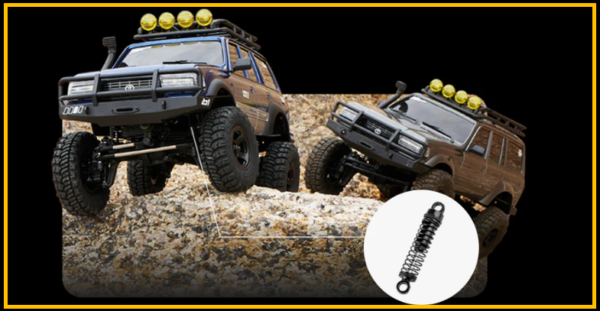
Solid axle suspension is common on RC crawlers. Both wheels move together, increasing articulation. I’ve driven a lot of crawlers, and I agree this setup shines at slow, technical driving.
If rock crawling interests you, suspension travel matters more than speed or raw power.
How Suspension Changes the Way Your RC Car Feels
RC car suspension affects driving feel more than most upgrades. Soft suspension increases grip but can feel unstable at higher speeds. Stiff suspension feels precise but often loses traction on rough ground.
In my experience, the “best” setup depends entirely on where you drive.
Dirt, gravel, and grass usually favor softer setups. Pavement and prepared tracks reward stiffness. I also think beginners should adjust one thing at a time to avoid chasing problems they accidentally created.
This driving-style-based setup guide explains the logic clearly:
Redcat RC Cars- What Makes Redcat RC Cars Popular Among Beginners in the U.S.?
Common Beginner Mistakes With RC Car Suspension
One mistake I made early on was copying professional setups without understanding why they worked. I also assumed expensive shocks would magically fix poor handling.
They didn’t.
Basic tuning matters far more than brand names. Another common issue is ignoring ride height altogether. If the chassis drags, the suspension can’t function properly. Simple preload adjustments often fix problems that beginners blame on motors or tires.
Basic Suspension Tuning Every Beginner Can Do
Start with ride height. When the car sits on the ground, suspension arms should rest slightly below level.
Next, check your shock oil. Old oil feels inconsistent and hurts control more than people realize.
Finally, drive the car after each change. I strongly believe seat time beats setup charts. Your hands will tell you what the car needs faster than any spreadsheet.
Is Upgrading RC Car Suspension Worth It?
In my opinion, yes—but not right away.
Stock RC car suspension is usually good enough to learn fundamentals. Once you understand how small changes affect handling, upgrades start to make sense. I also think upgrading too early hides valuable learning opportunities.
Suspension teaches patience and mechanical understanding, and those skills carry into every part of the RC hobby.
RC car suspension isn’t a minor technical detail. It’s the foundation of how your RC vehicle feels and behaves. I also feel that once beginners understand suspension, everything else becomes easier to understand.
From my point of view, mastering suspension basics saves money, reduces frustration, and makes driving far more enjoyable. I genuinely believe suspension knowledge is what separates casual drivers from confident RC enthusiasts.
FAQ
What is the most important part of RC car suspension for beginners?
Shock oil and ride height offer the biggest improvement with the least cost.
Should beginners use soft or stiff suspension?
I also think softer suspension is more forgiving and easier to control early on.
How often should RC shock oil be changed?
In my experience, every few months of regular use keeps performance consistent.
Does RC car suspension affect speed?
Yes. Better suspension improves traction, which often results in faster lap times.
Can poor suspension damage an RC car?
Absolutely. Bad suspension increases stress on the chassis and electronics over time.