Basic RC Car Inspection Checklist for Beginners: Ensure Peak Performance and Safety
Why a Simple RC Car Check Can Save You Hundreds
Ever been ready to hit the track, only to find your RC car refusing to move?
I’ve been there more times than I care to admit. Early on, I thought skipping inspections was no big deal. Looking back now, that was a classic beginner mistake.
A simple RC car inspection can prevent most of the common problems people run into. Dead batteries, loose screws, worn tires—small things like that can quietly ruin a run before it even starts.
Even a quick pre-run check goes a long way toward keeping your RC car reliable and safe. It’s surprising how often minor issues end up causing major frustration, especially for beginners.
In this guide, I’ll walk through a practical RC car inspection checklist that’s easy to follow and based on real-world use, not theory.
[ RC car inspection checklist – Reddit ]
What is a Basic RC Car Inspection?
Why Inspection Matters
A basic RC car inspection is a systematic check of your vehicle before and after each run. It’s not just about looking at your car — it’s about making sure everything functions correctly, safely, and efficiently.
I also believe inspections help prevent long-term damage, especially for high-speed or high-performance RC cars.
Pre-Run RC Car Inspection Checklist
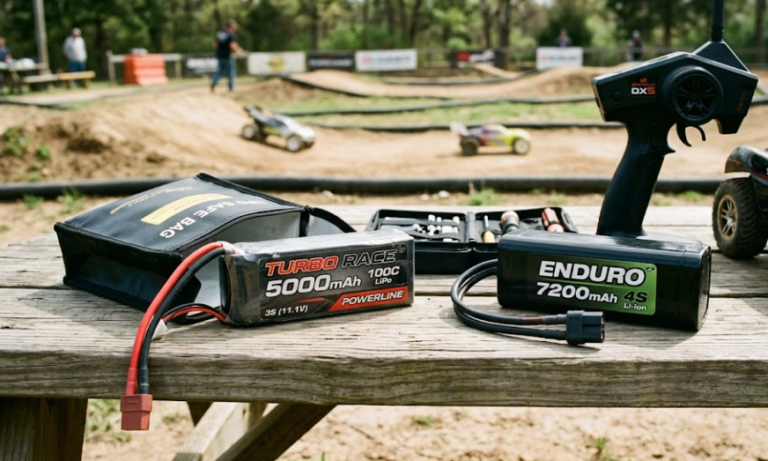
1. Battery Check
- Ensure your battery is fully charged.
- Inspect for swelling, cracks, or corrosion.
- Verify connectors are clean and secure.
I also think most battery issues are easy to catch with a quick visual inspection.
For more on battery care, see this guide:
👉 RC Car Batteries Explained
2. Tires and Wheels
- Check for worn or damaged tires.
- Make sure wheels spin freely without rubbing the chassis.
- Tighten loose wheel nuts.
I personally check tires first because worn tires not only affect performance but can cause accidents.
3. Suspension and Shocks
- Inspect shocks for oil leaks.
- Ensure springs are seated correctly.
- Check that arms and links aren’t bent or cracked.
Suspension issues are often overlooked but crucial for smooth handling, I also believe proper shock maintenance can dramatically improve cornering.
4. Motor and ESC
- Ensure the motor is clean and free from debris.
- Check motor mounts are tight.
- Inspect the ESC wiring and connectors.
I also think a clean, secure motor setup prevents mid-run failures, which I’ve personally experienced more than once.
For more on electronics setup, check:
👉 RC Car Motor Issues Explained in Simple Terms
5. Steering System
- Make sure the servo is functioning correctly.
- Check for binding in the steering linkage.
- Ensure all screws and mounts are tight.
I also believe steering is one of the most critical systems — minor issues here affect the entire driving experience.
6. Body and Chassis
- Inspect the chassis for cracks or bent parts.
- Check the body shell for loose clips or screws.
- Ensure nothing interferes with moving parts.
I also think visual checks prevent accidents and unnecessary repairs.
7. Radio System
- Test the transmitter and receiver connection.
- Check for proper range and responsiveness.
- Ensure antennas are secure.
For a more detailed guide on RC transmitters and receivers:
👉 RC Transmitters and Receivers Explained
Post-Run Inspection Tips
Clean Your RC Car
- Remove dirt, dust, and debris.
- Wipe down electronics and moving parts.
- Dry off any moisture to prevent corrosion.
I also think post-run cleaning is as important as pre-run checks. It prolongs battery, motor, and chassis life.
Check for Wear
- Examine tires, suspension, and gears for wear.
- Inspect wiring and connectors for damage.
- Record any issues for future reference.
I personally keep a small notebook to track recurring problems — it saves headaches in the long run.
Safety Tips for RC Beginners
- Never run your car near people or pets.
- Avoid water unless your RC car is waterproof.
- Always double-check batteries and wiring before a high-speed run.
I also think following these simple rules keeps your hobby fun and frustration-free.
FAQ: Basic RC Car Inspection
How often should I inspect my RC car?
Before and after every run is ideal, especially if you’re driving at high speeds or on rough terrain.
Can a quick inspection prevent major repairs?
Yes. Many motor, battery, and suspension issues are caught early with routine checks.
Do I need special tools for inspection?
Most checks require basic tools: screwdrivers, wrenches, and a cleaning brush. Advanced users may add a multimeter.
Are inspections necessary for beginner RC cars?
Absolutely. Even inexpensive RC cars benefit from regular checks.
RC car inspections don’t have to be complicated.
A five-minute check before and after a run is often enough to prevent headaches, extend the life of your car, and keep the hobby enjoyable.
Over time, I’ve seen a lot of beginners struggle with problems that could have been avoided with a simple routine like this. Once inspections become a habit, everything else in the hobby starts to feel easier.
These small habits also set the foundation for more advanced RC projects down the road.
Your future self will probably thank you for starting early.