
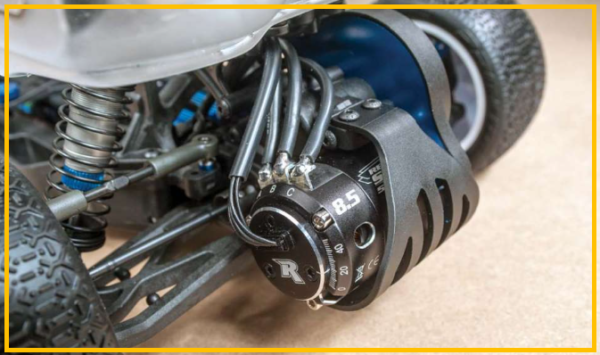
When Your RC Car Suddenly Stops Being Fun
The moment your RC car slows down, overheats, or just refuses to move, the fun disappears fast.
I’ve been there—and honestly, in my opinion, RC car motor issues are one of the most frustrating parts of the hobby.
You charge the battery.
You turn everything on.
And then… nothing. Or worse, a weird noise that definitely wasn’t there before.
If you’re wondering “Is my motor dying, or am I missing something simple?”—you’re not alone. I also think most RC car owners run into motor problems at some point, especially early on.
Let’s talk about the most common RC car motor issues, what causes them, and how to fix them without overcomplicating things.
What Does an RC Car Motor Actually Do?
Before fixing problems, it helps to understand the basics.
An RC car motor converts electrical energy from the battery into mechanical movement that spins the drivetrain and wheels. When something goes wrong, performance drops immediately.
From my experience, motor problems usually show symptoms early—if you know what to look for.
Common RC Car Motor Issues You’ll Encounter
Most Frequent RC Motor Problems
Motor Overheating
Overheating is one of the most common RC car motor issues.
Typical causes:
- Gearing that’s too aggressive
- Driving continuously without breaks
- Heavy terrain or oversized tires
In my opinion, heat is the silent killer of RC motors. If the motor is too hot to touch for more than a second, that’s a red flag.
Loss of Power or Slow Acceleration
If your RC car feels sluggish, the motor may not be the real problem—but it often gets blamed.
Possible reasons:
- Weak or damaged battery
- Loose motor wires
- ESC settings limiting power
This battery safety guide explains power-related issues well:
👉 RC Car Maintenance Basics Explained for Beginners
Strange Noises (Grinding or Screeching)
Unusual sounds usually point to:
- Worn bearings
- Improper gear mesh
- Debris inside the motor
From my experience, ignoring noise almost always leads to bigger repairs later.
Motor Won’t Spin at All
This is the panic moment.
Common causes include:
- Burnt motor coils
- ESC failure
- Broken solder joints
Before replacing the motor, always check connections. I’ve seen perfectly good motors blamed for wiring issues more times than I can count.
Brushed vs Brushless Motor Issues
Not All Motors Fail the Same Way
Brushed Motor Problems
Brushed motors wear out faster.
Typical issues:
- Worn brushes
- Reduced efficiency over time
- Heat buildup
In my opinion, brushed motors are fine for beginners—but they are consumable parts.
Brushless Motor Problems
Brushless motors last longer but aren’t invincible.
Common issues:
- Bearing failure
- Overheating due to gearing
- ESC compatibility problems
I also think brushless motors get blamed unfairly when the real issue is poor setup.
How Gearing Causes RC Car Motor Issues
Gearing Matters More Than You Think
Incorrect gear mesh or gearing ratio is one of the fastest ways to damage a motor.
Signs of Bad Gearing
- Excessive heat
- Clicking or grinding noises
- Sudden power loss
Proper maintenance habits help avoid this.
Battery and ESC: Hidden Causes of Motor Problems
The Motor Isn’t Always the Problem
In my experience, many so-called motor failures are actually battery or ESC issues.
Battery Problems
- Low voltage cutoff triggering early
- Swollen LiPo batteries
- Incorrect battery type
ESC Problems
- Incorrect programming
- Overheating ESC
- Damaged connectors
If you’re new to RC electronics, this beginner guide is helpful:
👉 RC Car Batteries Explained
How to Prevent RC Car Motor Issues
Simple Habits That Save Motors
I personally believe prevention is easier than repair.
Best Practices
- Let the motor cool between runs
- Check gear mesh regularly
- Clean dirt and debris after use
- Use the correct battery voltage
These small steps dramatically extend motor life.
When Should You Replace the Motor?
Repair vs Replace
Replace the motor if:
- It smells burnt
- Shafts wobble
- Bearings are seized
In my opinion, once a motor shows multiple failure signs, replacement is usually more cost-effective than repair.
Final Thoughts: Motor Issues Are Part of the Hobby
At the end of the day, RC car motor issues are almost unavoidable—but they’re not something to fear.
I also think dealing with these problems is part of becoming a better RC hobbyist. Once you understand the causes, most motor problems feel far less intimidating.
Pay attention to heat, sound, and performance, and your RC car will tell you what it needs—long before it completely stops working.
FAQ: RC Car Motor Issues
Why does my RC car motor get hot so fast?
Usually due to aggressive gearing, heavy loads, or poor airflow.
Can a bad battery damage my RC motor?
Yes. Incorrect voltage or poor battery health can stress the motor.
How long do RC car motors last?
Brushed motors may last months; brushless motors can last years with proper care.
Should I upgrade my motor immediately?
Not necessarily. I think learning with a stock motor first is smarter.
Is motor noise always a bad sign?
Not always—but new or loud noises should never be ignored.