
RC Car Steering Not Responding: Real Causes, Practical Fixes, and What Most Hobbyists Miss
RC Car Steering Not Responding: Why It Always Happens at the Worst Time
If you’ve been into RC cars long enough, you’ve probably had that moment.
You pull the trigger, the car shoots forward perfectly… and then you turn the wheel on the transmitter.
Nothing.
No steering. No response. Just a straight-line missile heading for disaster.
I still remember the first time it happened to me. I stood there staring at the front wheels thinking, “There’s no way this is happening right now.” Everything was working five minutes ago.
What I’ve learned over the years is this: RC steering problems feel scary, but they’re usually not complicated. The real issue is that most people jump to the wrong conclusion too fast—usually blaming the servo and ordering parts they don’t actually need.
This guide is based on real trial-and-error experience. No theory overload. Just what actually causes RC car steering to stop responding, how to diagnose it properly, and how to avoid the same mistakes I made early on.
How RC Steering Actually Works (In Plain English)
Transmitter, Receiver, Servo — It’s a Chain
RC steering is basically a conversation.
You turn the wheel on the transmitter → the signal goes to the receiver → the steering servo moves → the wheels turn.
Sounds simple, right?
The problem is that any break in that chain can make steering look completely dead.
One mistake I see all the time is assuming steering problems always start at the servo. In reality, the servo is often the last thing at fault.
Why Steering Fails More Often Than Throttle
Steering components live a rough life.
Front wheels take hits.
They fight resistance constantly.
They deal with dirt, sand, and vibration nonstop.
Throttle usually works or doesn’t. Steering, on the other hand, slowly degrades. That’s why steering issues are more common—and more confusing.
The Most Common Reasons RC Car Steering Stops Responding
Power Problems That Don’t Look Like Power Problems
This one gets beginners every time.
The car turns on.
Throttle works fine.
Lights come on.
But steering? Dead.
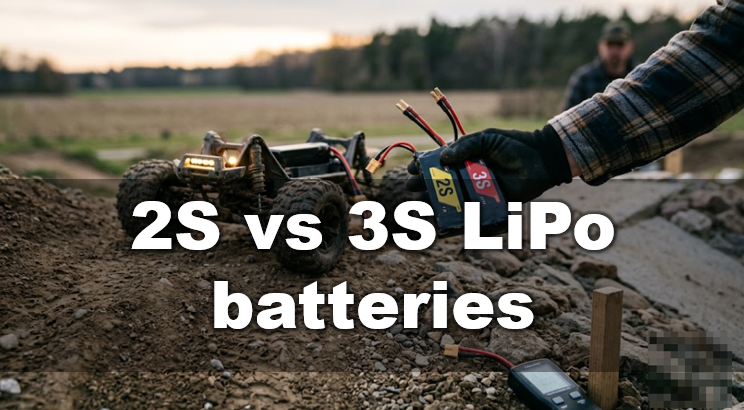
Here’s the thing: steering needs more power than you think. A battery can still move the car forward but not have enough voltage to push the steering servo under load.
I’ve personally replaced a perfectly good servo before realizing the battery was the real issue. Not my proudest moment.
If steering suddenly stops responding, always check voltage first, even if everything else seems normal.
Receiver and Channel Issues
Sometimes the problem isn’t the servo at all—it’s the receiver.
Hard crashes can mess with internal channels.
Wires get plugged into the wrong port more often than people admit.
Fast reconnects can cause weird behavior.
If you’re newer to RC electronics, this receiver setup breakdown helped me early on:
👉 https://trvbaby.net/rc-car-receiver-setup-guide
Simple wiring mistakes can completely kill steering without any obvious signs.
Steering Trim and Endpoint Settings
This feels embarrassing when you discover it, but it happens a lot.
If trim or endpoints are set wrong, the servo may be trying to move but physically can’t. To you, it looks like dead steering.
Before replacing anything, always reset trim and check steering travel. I’ve fixed “broken” cars in under a minute this way.
Mechanical Problems You Should Never Ignore
Jammed Linkages and Hidden Resistance
Electronics get blamed way too often.
Dirt, sand, bent rods, or debris can lock up steering completely. And a quick visual check isn’t always enough.
What I always do:
- Disconnect the servo horn
- Move the wheels by hand
If the wheels don’t move freely, your problem isn’t electronic. Period.
Servo Gears Wearing Out Slowly
Not all servo failures are dramatic.
Some servos still move, but can’t hold direction.
Plastic gears wear down gradually.
Under load, they slip or stall.
I’ve had servos that looked fine on the bench but failed instantly once the car was on the ground.
If you want a solid explanation of long-term wear, this article covers it well:
👉 https://trvbaby.net/rc-car-maintenance-basics
How I Diagnose Steering Issues Step by Step
Start With the Fastest Tests
I always begin with what takes seconds, not minutes.
Swap the steering and throttle channels on the receiver.
- If the problem moves → you’ve identified the source
- If it doesn’t → you’ve eliminated an entire category of issues
This single test saves a ton of guessing.
Test the Servo Outside the Car
Pulling the servo out tells you everything.
Listen for clicking or grinding.
Watch how it reacts without load.
Check if it centers properly.
Two minutes of testing beats an hour of assumptions.
Check Transmitter Settings Last
Most people check settings first. I do it last.
Once hardware checks out, confirm:
- Steering trim
- Dual rate
- Model memory
It’s rarely the root cause, but it’s worth verifying.
How to Prevent Steering Problems Before They Happen
Maintenance Beats Replacement Every Time
Steering problems usually come from neglect, not bad luck.
Clean linkages.
Check servo mounts.
Inspect rods regularly.
Five minutes of maintenance saves money and frustration later.
Match Parts to How You Drive
If you drive hard, lightweight steering parts won’t survive.
Aggressive driving needs stronger components—no exceptions.
A lot of steering failures happen simply because the setup doesn’t match the driving style.
RC steering problems feel overwhelming until you understand them. Once you diagnose a few properly, it becomes second nature.
The biggest mindset shift for me was stopping the guessing and starting to test logically. That’s when RC troubleshooting stopped being stressful and started making sense.
If your RC car steering is not responding, don’t panic. Slow down. Test step by step. In most cases, the fix is way simpler than it first appears.
FAQ
Why does my RC car drive forward but won’t turn?
This usually points to low voltage, receiver channel issues, or a steering servo that can’t handle load anymore.
Can steering stop working after a crash even if nothing looks broken?
Yes. Servo gears and receiver connections can fail internally with no visible damage.
Should I replace the servo right away?
No. Always check power, channels, and mechanical resistance first.
How often should steering components be checked?
If you run regularly, a quick inspection every few sessions prevents surprises.