
Best Budget RC Cars Under $200: Honest Comparisons From Real Use
Why the $200 Range Is Where Most Beginners Mess Up
Every RC car beginner hits the same wall.
You start browsing online, prices are all over the place, and somehow you keep circling back to that under $200 range. I’ve been there. More than once. And honestly, this is where most people make the worst decisions while trying to “save money.”
When I first got into RC cars, I assumed anything under $200 would feel cheap or toy-like. Turns out, that’s not true anymore. The problem isn’t the price — it’s picking the wrong RC car for how you actually plan to use it.
I’ve tested, broken, repaired, and compared enough budget RC cars to say this confidently:
The under-$200 category can be amazing… or incredibly frustrating.
It all depends on what you buy and why.
Before getting into specific recommendations, it’s important to understand why this budget range is both risky and rewarding.
The Real Problem With Budget RC Cars Under $200
Expectations vs. Reality
A lot of beginners still believe that all RC cars under $200 are basically toys. That used to be true years ago, but not anymore. Today, you can find hobby-grade features at this price — oil shocks, metal gears, decent electronics — but they’re often buried under confusing specs and marketing hype.
From my experience, durability is the biggest issue.
Some budget RC cars look fast and powerful on paper, but weak plastics, cheap electronics, or non-standard parts kill the fun fast.
Another thing beginners don’t think about enough is parts availability. Something will break. That’s part of the hobby. If replacement parts are hard to find or overpriced, the RC car ends up sitting on a shelf.
Upgrade potential matters too. Some models lock you into proprietary parts, while others quietly use standard components that make future upgrades easy. That difference is way more important than advertised top speed.
It’s the same mindset I use when preparing for travel — planning ahead saves money and stress later. I’ve talked about that approach before when putting together practical travel checklists, and RC cars really aren’t that different.
Comparing Budget RC Cars: What Actually Matters
2WD vs. 4WD on a Budget
If you’re new, drivetrain choice is the first big decision.
2WD RC cars are usually cheaper, lighter, and easier to work on. They force you to learn throttle control and basic driving skills. My first real RC car was 2WD, and looking back, I’m glad it was.
4WD models offer better traction on dirt, gravel, and grass. They feel more stable, especially for beginners. The downside? More moving parts. Under $200, some 4WD systems don’t hold up well if you push them hard.
Neither is “better” — it depends on how and where you plan to drive.
2WD vs 4WD RC Cars: Beginner Differences Explained Clearly
Brushed vs. Brushless Motors
Most RC cars under $200 use brushed motors, and that’s honestly fine.
Brushed setups are predictable, cheaper to replace, and easier for beginners to manage. I’ve blown through enough brushed motors to appreciate how simple and forgiving they are.
You’ll see some budget brushless options advertised in this price range, but in my experience, corners are usually cut somewhere else — weaker drivetrains, poor electronics, or cheap batteries.
Unless speed is your top priority, brushed motors usually offer better long-term value under $200.
Brushed vs Brushless RC Motors: Which One Makes Sense for Your RC Car?
Not All Ready-to-Run Kits Are Equal
Almost everything in this category is sold as ready-to-run, but quality varies a lot.
Some kits include solid transmitters, decent batteries, and chargers that won’t overheat. Others feel rushed, like the accessories were added at the last minute just to say they’re included.
It reminds me of booking hotels based on photos instead of real reviews — details matter more than marketing.
My Picks: Best Budget RC Cars Under $200
Best Choice for Absolute Beginners
If you’re just starting out, focus on durability, control, and parts support.
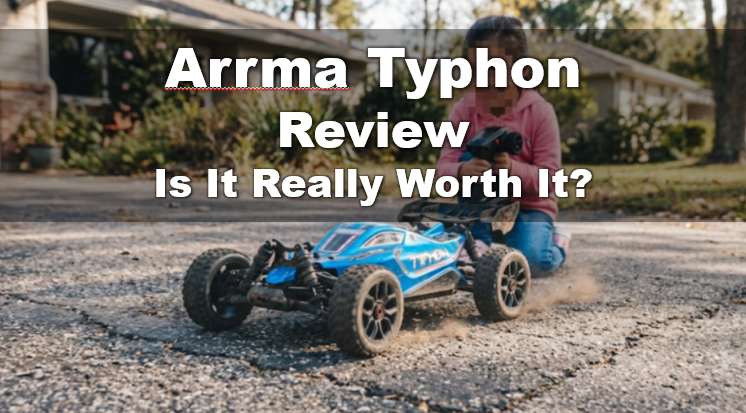
Entry-level models from brands like Arrma, Traxxas, and Redcat Racing consistently perform well here. Slower top speeds with better handling make learning way more enjoyable — and you’ll crash less.
[ ARRMA RC Cars and RC Trucks – Designed Fast, Designed ]
Best for Backyard and Off-Road Fun
For grass, dirt, or uneven terrain, look for:
- Higher ground clearance
- Oil-filled shocks
- Sturdy suspension arms
Personally, I like short course trucks in this category. They’re stable, tough, and forgiving compared to ultra-light buggies.
Best for Long-Term Upgrade Potential
Some RC cars under $200 share platforms with higher-end models, and those are the hidden gems.
I’ve owned a few that started cheap and slowly turned into solid performers with gradual upgrades. That’s way better than replacing the whole car after a few months.
Thinking long-term like this is something I apply to other hobbies too, especially when planning activities that grow with your needs over time.
Where to Buy (And How to Avoid Regret)
Pick the Retailer Carefully
Buying from well-known hobby shops or trusted online marketplaces matters more than saving a few dollars. Good return policies and customer support pay for themselves when something goes wrong.
Where I Usually Start
I usually check Amazon and major RC hobby stores first. They tend to carry verified models, stock replacement parts, and offer real user reviews.
It’s also easier to avoid discontinued versions that turn into repair nightmares later.
Final Thoughts After Years of Using Budget RC Cars
After testing more budget RC cars than I can count, I honestly think the under-$200 category gets a bad reputation for the wrong reasons.
Most disappointment comes from poor initial choices — not bad products.
If you focus on:
- Durability over speed
- Parts availability over flashy specs
- Handling over bragging rights
then $200 isn’t a limitation at all.
It’s actually one of the smartest places to start in the RC hobby.