RC Car Scale Sizes Are More Important Than You Think
The first time I shopped for an RC car, I focused on speed, looks, and price.
Scale size barely crossed my mind.
That turned out to be a rookie mistake.
After struggling to find replacement parts and realizing my RC car barely fit in my trunk, I started to understand why scale size matters more than most beginners expect. It’s one of those details that doesn’t seem important—until it suddenly is.
If you’ve ever wondered what 1/10 scale, 1/8 scale, or 1/16 scale actually mean, and how those numbers affect real-world use, you’re in the right place.
What Does RC Car Scale Size Mean?
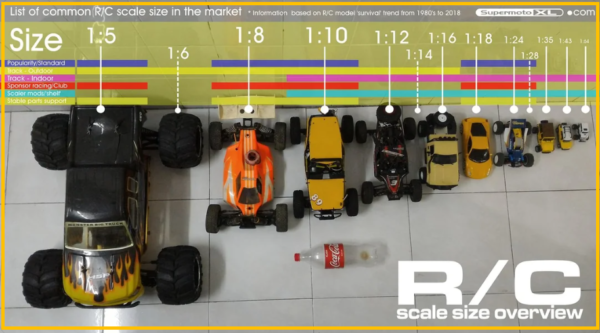
RC car scale size simply describes how large the model is compared to a real vehicle.
A 1/10 scale RC car is one-tenth the size of a full-size car.
A 1/8 scale model is larger, while something like 1/16 scale is noticeably smaller.
On paper, that sounds straightforward. In practice, scale size affects far more than just how big the car looks on your shelf.
Why RC Car Scale Sizes Matter
I used to assume scale size was mostly about appearance.
That assumption didn’t last long.
Where You Can Drive
Larger RC cars need space. Smaller ones are more flexible.
A small backyard or driveway works fine for smaller scales.
Open fields, tracks, and rough terrain are where larger scales make sense.
Cost and Maintenance Reality
Bigger scale usually means bigger parts—and higher prices.
Tires, suspension components, and batteries all scale up quickly, especially on 1/8 models.
It’s not a deal-breaker, but it’s something beginners rarely budget for.ost noticeably more, especially tires and suspension components.
Common RC Car Scale Sizes (What They’re Really Like)
1/10 Scale RC Cars
This is the most common scale for a reason.
- Easy to transport
- Huge parts availability
- Balanced size and performance
For many hobbyists, 1/10 scale ends up being the long-term sweet spot.
1/8 Scale RC Cars
These are large, powerful, and built to handle abuse.
They’re incredibly capable, especially on rough terrain, but they also demand space, stronger batteries, and a higher maintenance budget. They’re fun—but they’re a commitment.
1/16 and 1/18 Scale RC Cars
Smaller scales often get overlooked.
They’re great for limited space, younger drivers, or casual sessions. The trade-off is reduced performance on rough terrain, but that’s not always a deal-breaker.
1/24 Scale and Smaller
These are more about convenience and quick fun.
They shine indoors or in very small spaces, especially when you don’t want to deal with transport, tools, or long setup times.
How Scale Size Affects Performance
Size vs Driving Feel
Stability
Larger RC cars are more stable at high speeds.
Durability
Bigger cars usually handle crashes better simply due to size and weight.
Speed Perception
Smaller cars may feel faster even at lower speeds because of their size.
In my experience, perceived speed often matters more than actual top speed.
How Scale Size Changes the Driving Experience
Larger RC cars tend to feel more stable at speed and handle crashes better.
Smaller cars often feel faster than they actually are, simply because everything happens at a smaller scale.
Interestingly, perceived speed usually matters more than top speed, especially for beginners.
Storage, Transport, and Real-Life Limits
This part is easy to ignore—until you live with the car.
Some 1/8 scale models require dedicated storage space.
Many won’t fit comfortably in a standard car trunk without planning.
Smaller scales are far more forgiving when it comes to storage and transport.
Batteries and Maintenance by Scale
As scale increases, so do the demands.
Larger RC cars typically need:
- Higher-capacity batteries
- Stronger chargers
- More frequent checks and maintenance
That doesn’t make them worse—it just means more responsibility.
This battery guide explains it well:
👉 RC Car Batteries Explained: NiMH vs LiPo
And for long-term care:
👉 How Do RC Cars Work? Explained for Beginners
Choosing the Right Scale for Your Life
There isn’t a single “best” scale.
There’s just the one that fits how and where you drive.
Many beginners settle into 1/10 scale.
Apartment living often points toward smaller models.
Wide open spaces and experience make larger scales more enjoyable.
Most people don’t get this right the first time—and that’s okay.
If you’re new to RC entirely, this guide helps narrow things down:
👉 What Is an RC Car? A Beginner’s Guide to How RC Cars Really Work
The One Thing I Wish I’d Known Earlier
Scale size quietly shapes every part of the RC experience.
Cost, storage, maintenance, and even how often you drive all connect back to it.
Once the scale matches your lifestyle, the hobby stops feeling complicated and starts feeling fun.