
RC Car Overheating – Why It Happens and How to Stop It
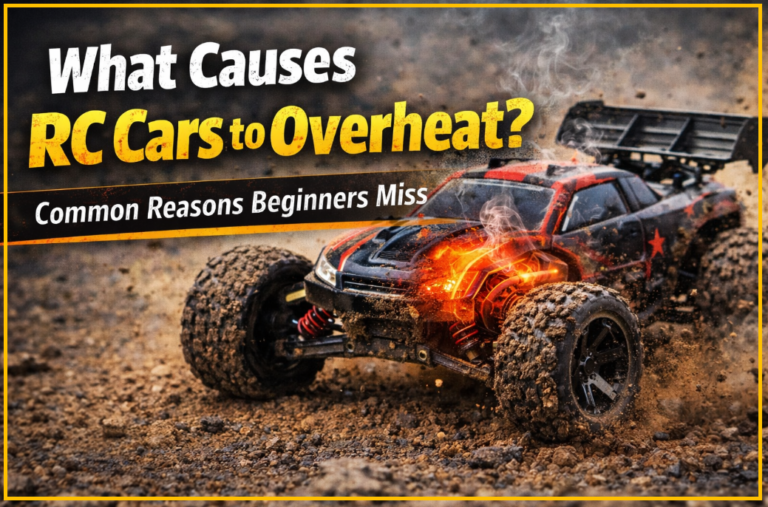
RC Car Overheating – Why It Happens and How to Stop It.
The first mistake almost every RC beginner makes is assuming a hot motor means a powerful motor. I made that exact mistake for months, bragging about how warm my Traxxas felt after a run like it was some kind of badge of honor. Turns out I was slowly cooking my electronics one backyard session at a time.
My six year old daughter is the one who actually clued me in. She kept asking why the truck “needed a nap” halfway through every play session, and I didn’t have a real answer for her. So I started digging, and what I found out changed how I run, gear, and store this thing completely.
If your RC car keeps getting hot to the touch, cutting power mid-run, or shutting down entirely after ten or fifteen minutes, you are not imagining it and you are definitely not alone. Below are the exact questions I had, answered the way I wish someone had answered them for me.
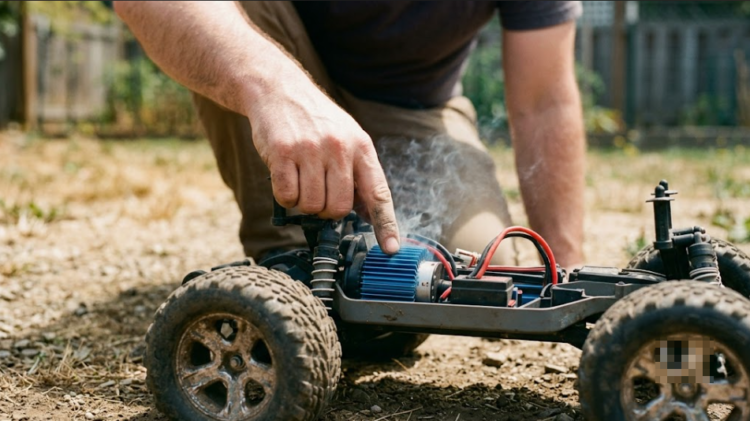
RC Car Overheating- How Hot Is Too Hot for an RC Motor?
This is the one nobody explains clearly. As a rough rule, if you can hold your finger on the motor can for a full three seconds without wanting to pull away, you’re generally fine. If you can barely tap it before yanking your hand back, that’s your car telling you something is wrong.
Brushed motors tend to run warm as a normal part of how they work, so a little heat is expected. Brushless motors and their ESCs are a different story. Anything that feels genuinely painful to touch, especially around the ESC or the battery connector, means you need to stop the run immediately and let everything cool before you even think about another lap.
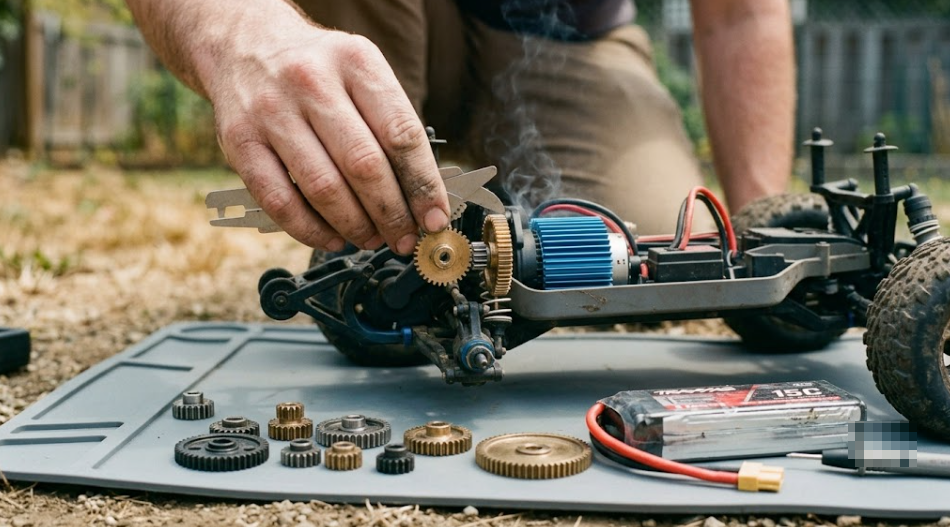
Why Does My RC Car Overheat After Just 10 Minutes?
Nine times out of ten, this comes down to gearing that’s too aggressive for the conditions you’re actually driving in. A pinion gear that’s a size or two too big forces the motor to work harder than it should, and that extra strain shows up as heat almost immediately.
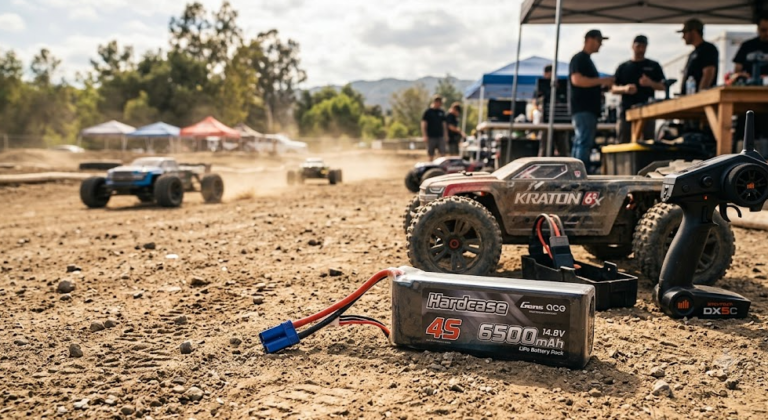
The second most common culprit is a battery that’s being pushed past its comfortable discharge rate. If you’re running a battery with a low C-rating on a car that wants more punch than that battery can comfortably deliver, both the battery and the motor heat up trying to compensate. I actually wrote a full breakdown on this exact problem when I was chasing down why my RC batteries kept swelling, and gearing turned out to be half the story there too.
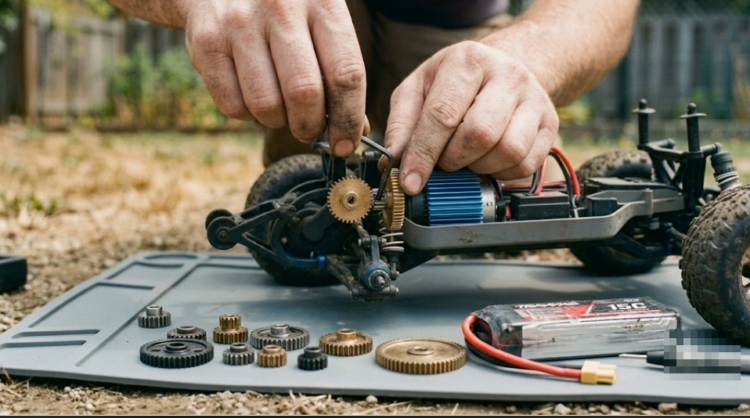
Does Gearing Actually Affect Overheating That Much?
Yes, and it surprised me how much. Going down just one or two teeth on your pinion gear can drop your running temperature noticeably without killing your top speed in any way you’d actually notice on a backyard track. I run a slightly smaller pinion now specifically for hot weather sessions and swap back for cooler days, and the difference in how the motor feels afterward is honestly night and day.
If you’ve never touched your gearing before, this is genuinely the easiest and cheapest fix on this entire list. A five dollar pinion swap solved more of my overheating issues than any fancy heatsink or cooling fan I bought afterward.
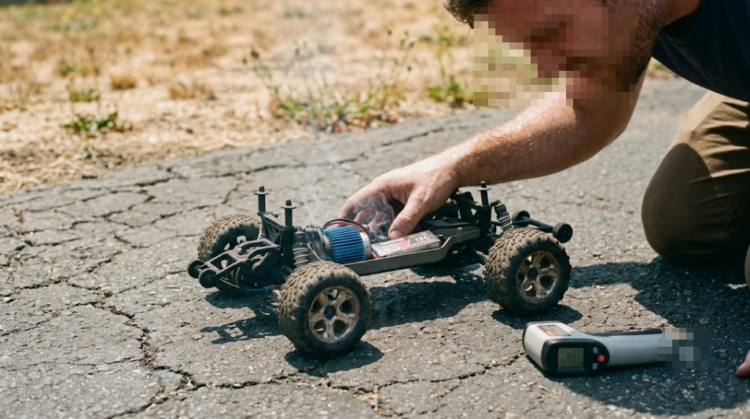
Can Weather Make My RC Car Overheat Faster?
Absolutely, and this one caught me off guard the first summer I owned this hobby. Running on asphalt in eighty five degree heat is a completely different experience for your motor than running on grass in sixty degree weather, even with identical gearing and identical driving style.
Dark colored pavement in direct sun can add a surprising amount of ambient heat on top of whatever the motor is already generating internally. On genuinely hot days, I’ve started shortening my runs and giving the truck longer cooldown breaks between them, which sounds obvious now but took me an embarrassingly long time to figure out on my own.
What’s the Fastest Way to Cool Down an Overheated RC Motor?
Turn everything off, disconnect the battery, and just let it sit. Resist the urge to blast it with cold water or ice, since a sudden temperature swing can actually damage the motor bearings and warp internal components over time. A small desk fan aimed at the chassis works far better and won’t shock anything.
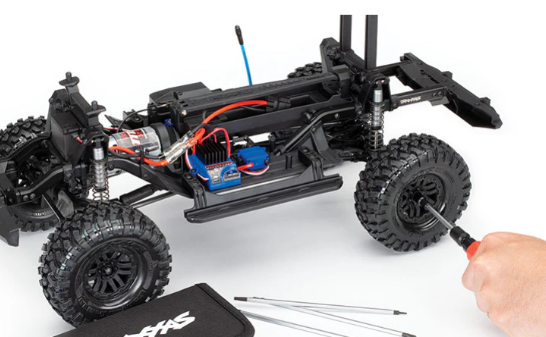
While you’re waiting, it’s a good time to check the rest of the drivetrain anyway. Overheating rarely travels alone, and I’ve found it’s almost always paired with something else that’s been neglected. When I finally sat down and built out a proper RC car maintenance checklist I actually stick to, my overheating problems dropped off almost completely within a few weeks.
The Small Habit That Fixed Most of My Overheating Problems
Honestly, the single biggest change wasn’t a part or an upgrade. It was giving the car actual breaks between runs instead of chaining session after session back to back because my daughter didn’t want to stop. Ten minutes of running followed by ten minutes of rest keeps the motor, ESC, and battery all in a comfortable range without sacrificing much playtime at all.
Overheating almost always feels mysterious right up until you find the one small thing causing it, and then it feels obvious in hindsight. Start with your gearing, respect the weather, and give the car time to breathe between runs, and you’ll likely fix ninety percent of the problem before you spend a single dollar on new parts.