Fix Brushless Motor Cogging at Low Speed on Your RC Car
Fix brushless motor cogging at low speed, and a crawler that used to lurch off the line starts creeping the way you wanted it to. The stutter isn’t always the motor’s fault, though, and that’s worth knowing before you spend money on a new one.
Cogging is the shudder or hesitation you get when you ease the throttle open from a standstill. A sensorless setup has no direct way to know where the rotor is sitting when it isn’t spinning, so the ESC is partly guessing at the start. On a basher running flat out, you may never notice. On a rock crawler, a trail truck or a drift car, where most of your time is spent at walking pace, it gets annoying fast.
Start With the Battery and Connections
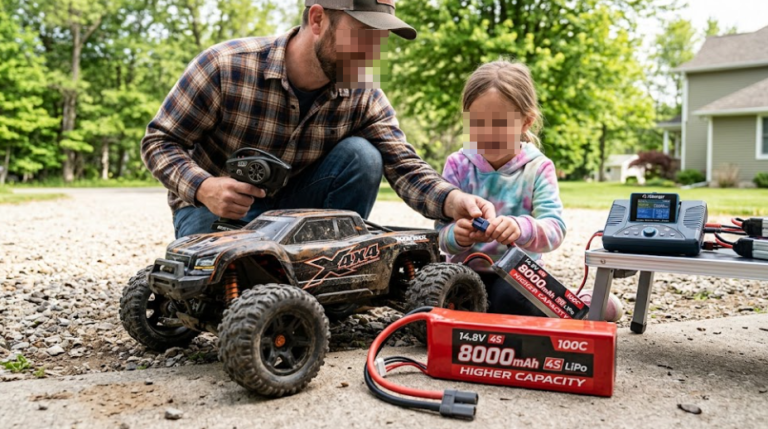
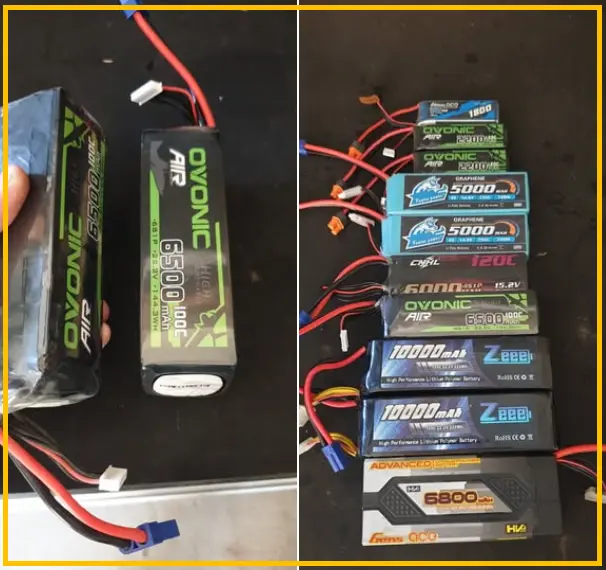
It’s easy to blame the motor first, but a battery that sags when the motor asks for its first burst of current can cause the same stutter. NiMH packs and LiPos with a low C rating are the likely suspects here. Trying a higher-discharge LiPo is a cheap experiment, and I’d do it before touching anything else.
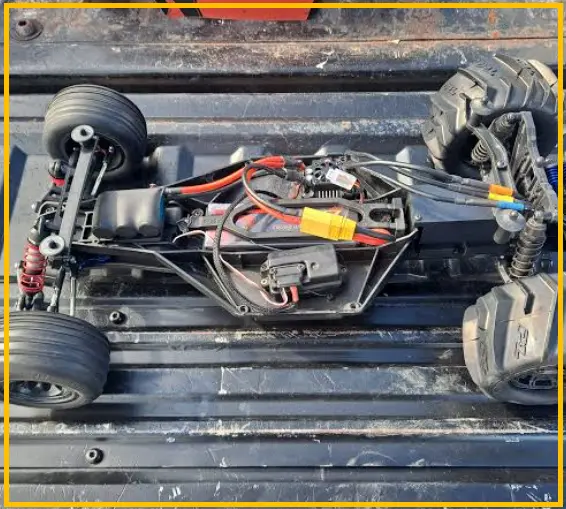
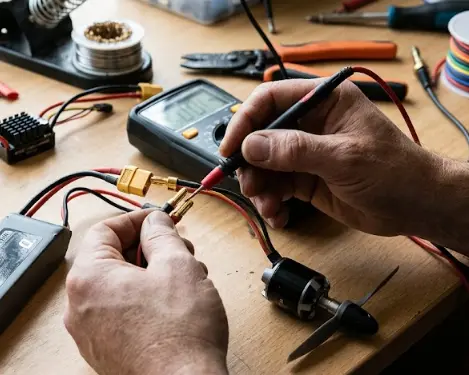
Then look at the plugs. An old connector or a weak solder joint on one of the three motor wires adds resistance, and you can’t always see it by eye. If one wire is a little worse than the others, the ESC has a harder time reading what the motor is doing at low speed.
Is the Drivetrain Fighting the Motor?
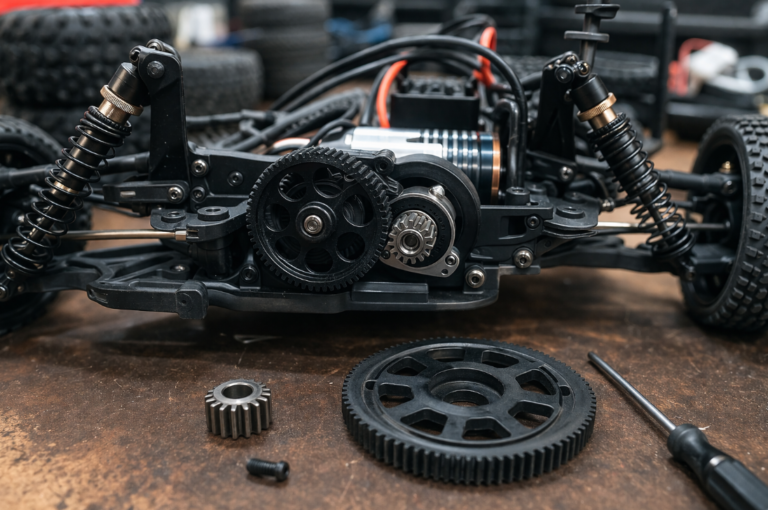
Dropping a tooth or two on the pinion lowers the load the motor has to overcome on startup. It costs a few dollars, so it’s an easy thing to test.
I’d also lift the truck and turn the wheels by hand. If the diffs feel notchy, a wheel bearing is dry or something in the driveline drags, the motor is pushing against that every time it tries to get moving. A smoother drivetrain sometimes fixes what looked like an electronics problem.
ESC Settings Worth Trying
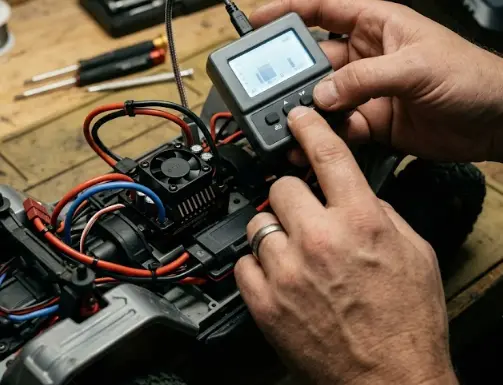
Most programmable ESCs have a few settings that change how gently the motor gets going:
- Punch or start power: bumping it up one step gives the motor a firmer push off zero.
- Motor timing: lowering it, or dropping to 0° or the “low” option, tends to smooth things out at crawl speeds.
- PWM frequency: a higher setting can make the start-up response softer, though how much it helps depends on the ESC.
Menu names differ between brands, and some budget ESCs don’t expose all three. Change one setting at a time, so you know which one actually did something.
Check out these related posts:
👉 My Brushless Setup Experience
👉 Brushless RC Cars-What I Wish I Knew
When the Settings Aren’t Enough
A sensored system largely sidesteps the problem. Hall sensors tell the ESC where the rotor is from the first fraction of a turn, so low-speed starts don’t depend on guesswork. It does mean a sensored motor, an ESC that supports it and the sensor cable between them, so it’s more a rebuild than a tweak.
The motor itself matters too. Motors with more poles tend to deliver torque more evenly at low speed, and a lower-KV motor often behaves more calmly at a crawl than a high-KV one. Both vary by brand and model, so I wouldn’t treat them as rules.
Some motors just don’t like crawling on a sensorless setup, whatever you do to the settings. Spending the money once on the right motor and ESC sometimes beats a long string of small fixes.