High Capacity RC Batteries – The Upgrade Worth Making
High Capacity RC Batteries: The Upgrade Worth Making
I burned through three battery packs in one Saturday before I finally admitted my problem wasn’t my RC car, it was my battery. High capacity RC batteries sounded like a simple fix, and in some ways they were, but nobody warned me about the trade-offs that came with them.
My driveway sessions used to end after twenty minutes flat, which is barely enough time to get warmed up before you’re back at the charger. Switching to a high capacity pack fixed the runtime problem almost overnight, but it also introduced new questions about weight, charge times, and whether my charger could even keep up. If you’re staring at battery listings wondering why the numbers matter so much, this is everything I learned the hard way.
Why I Started Chasing High Capacity RC Batteries
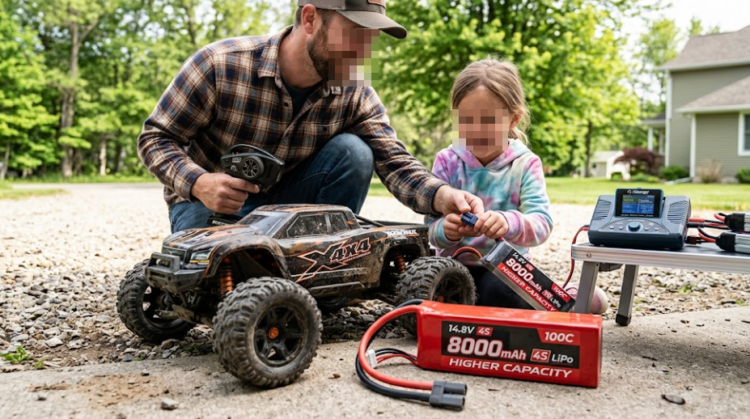
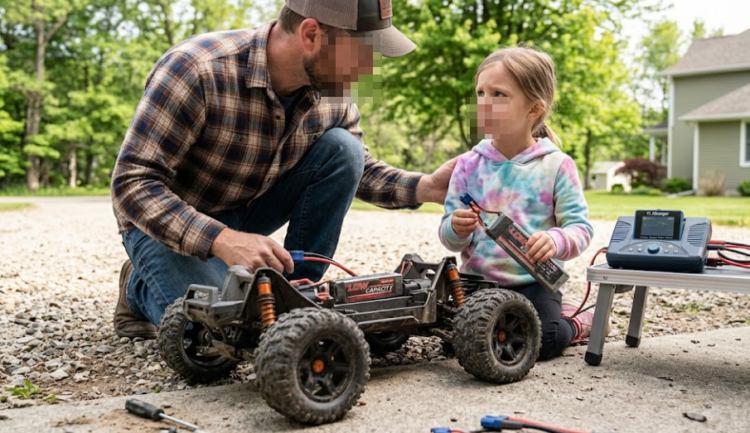
I got into this hobby wanting long weekend sessions with my daughter, not fifteen-minute bursts followed by a thirty-minute charging break. Every time the battery died mid-run, she’d ask if we were done already, and honestly, that got old fast. I started looking into high capacity RC batteries because I figured more mAh just meant more fun, plain and simple.
That part turned out to be true. What I didn’t expect was how much else changes once you go bigger.
What High Capacity Actually Means
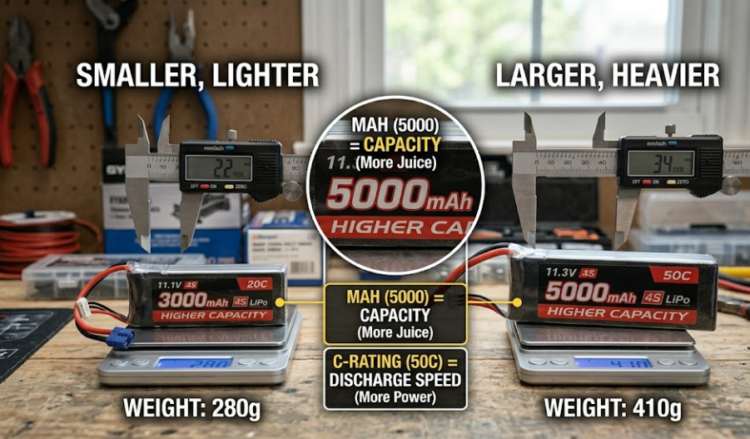
The mAh rating on a battery, milliamp hours, tells you how much energy it can store. A 5000mAh pack holds noticeably more juice than a 3000mAh pack of the same voltage, which usually means longer runtime before you’re hunting for an outlet again.
mAh Is Only Part of the Story
Capacity alone doesn’t tell the full story. Voltage determines how much power your motor can pull, and the C-rating tells you how fast the battery can safely discharge that power. I learned this the annoying way after buying a high mAh pack with a low C-rating and wondering why my truck felt sluggish compared to my old battery. Bigger numbers on the box don’t automatically mean a better fit for your setup.
The Trade-Offs Nobody Mentions Upfront
Every upgrade comes with a catch, and high capacity batteries are no exception. Once I understood these trade-offs, choosing the right pack got a lot easier.
Extra Weight Changes Handling
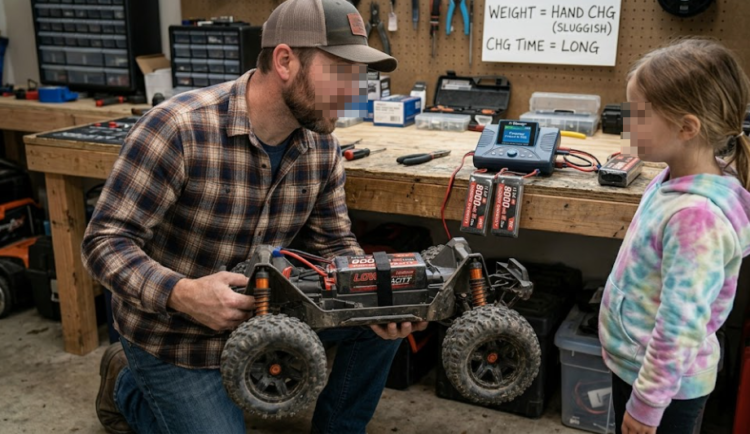
More cells and more capacity almost always mean more weight. My truck felt noticeably different through corners once I swapped in a bigger pack, and it took a few sessions to adjust my driving style. If your RC car is already on the heavier side, stacking on extra battery weight can make handling feel sluggish rather than punchy.
Charging Takes Longer, Unless You Plan Ahead
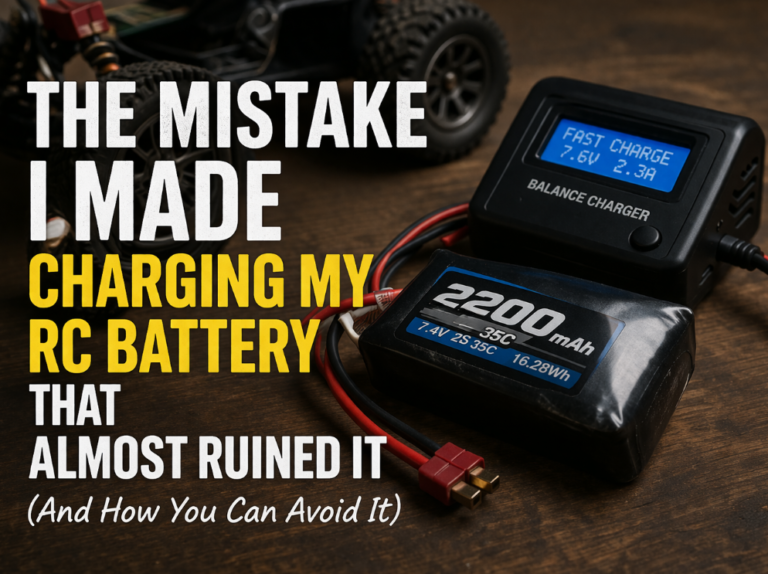
A bigger battery needs more time to fill back up, which sounds obvious but caught me off guard the first time I tried to charge a 6000mAh pack on a charger built for smaller capacities. I ended up digging into proper charging habits after nearly cooking a pack, and honestly, walking through fast charging RC batteries without ruining them saved me from repeating that mistake twice.
How I Actually Picked My Battery
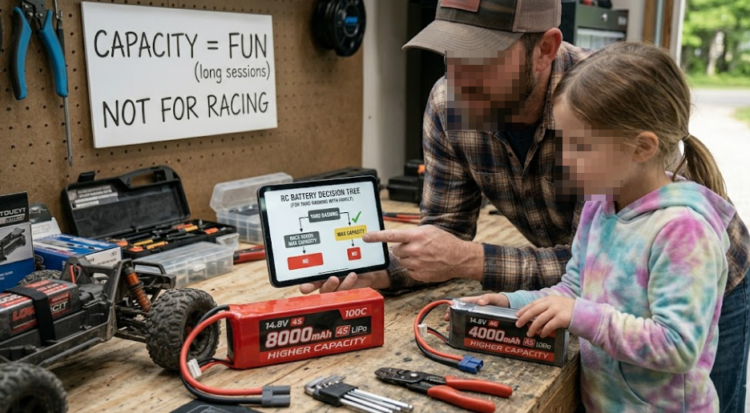
I stopped guessing and started matching capacity to how I actually use my RC car. Weekend bashing sessions with my daughter don’t need race-level discharge rates, but they do need enough capacity to survive more than one lap around the yard.
If you’re shopping around and want a shortcut past the trial and error, I put together a full breakdown on choosing the right 4S RC battery that covers exactly how I narrowed down my options without wasting money on a pack that didn’t fit my setup.
Getting the Most Out of a High Capacity Pack
A few habits made a real difference once I had the right battery in hand. Storing packs at proper storage voltage instead of leaving them fully charged extended their lifespan noticeably. Letting the pack cool down before charging again also cut down on the puffing issues I used to deal with constantly.
Matching connector types and checking your charger’s max input before assuming it can handle a bigger pack saves you from the exact mistake I made early on. It’s a small step that prevents a genuinely frustrating afternoon.
High capacity RC batteries genuinely changed how much fun I get out of every session, but they’re not a plug and play upgrade. Weight, charging habits, and matching the right specs to your setup all matter more than the mAh number printed on the label. Once I sorted that out, driveway time with my daughter stopped ending early, and that alone made the whole learning curve worth it.