Best Electric Scooter Under $1000 – What Actually Held Up After Real Riding
Best Electric Scooter Under $1000: What Actually Holds Up
As an Amazon Associate I earn from qualifying purchases.
I spent way too many nights scrolling through scooter listings, convinced that anything under a thousand bucks had to be a compromise. Then I bought one anyway, out of pure impatience, and rode it almost every single day for months.
Most people assume a budget scooter means a short-lived scooter, and honestly, I used to believe that too. The truth is the sub-$1000 category has quietly become one of the most competitive price points in the entire industry. So instead of guessing, I actually rode the front-runners long enough to see which ones held their charge, their brakes, and my patience.
Why I Stopped Believing “You Get What You Pay For”
A few years back, spending under a grand on a scooter usually meant dealing with mushy brakes, batteries that quietly lost range every month, or a deck that rattled like it was held together with hope. That is not really the case anymore. Manufacturers figured out that most riders do not need a thousand-dollar frame just to get to work and back, so the mid-tier lineup got a serious upgrade in motor efficiency and battery chemistry.
That shift is exactly why this price range is worth taking seriously instead of treating it as the leftover shelf.
What Actually Matters When You’re Shopping Under $1000
Battery and Range Are Not the Same Thing
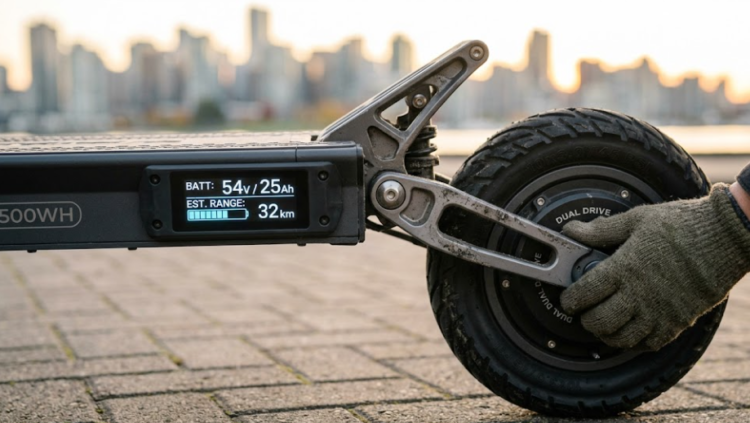
This is the mistake almost everyone makes, myself included, the first time around. A bigger number on the box does not automatically mean a longer ride once you factor in your body weight, hills, and how cold it is outside. I learned the hard way that watt-hours tell a more honest story than advertised mileage. If you want the full breakdown of how that math actually plays out in daily use, I put together everything I learned from months of testing in my battery capacity versus range guide, and it changed how I shop for a scooter for good.
Motor Power Versus Real World Hills
A scooter that flies on flat pavement can feel completely different the moment a hill shows up. Single motor setups tend to strain and drain fast on inclines, while dual motor scooters distribute that load and keep the ride smooth. If you live somewhere with even a modest slope on your commute, this single spec matters more than top speed ever will.
Tires, Suspension, and Whether Your Wrists Survive the Ride
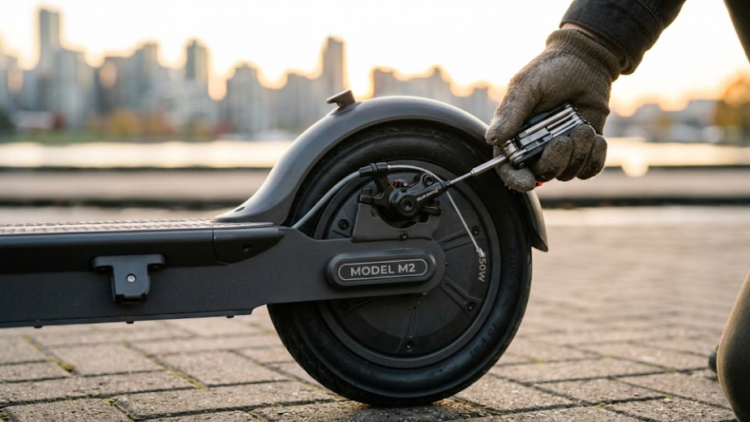
Solid tires sound great until you hit a pothole and feel every bit of it through the handlebars. Pneumatic tires paired with actual suspension, even basic front suspension, make a noticeable difference on daily commutes over cracked sidewalks and uneven bike lanes. This is one area where cutting corners shows up fast, usually in your joints before it shows up in a review.
👉 Best Electric Scooter Under $1000
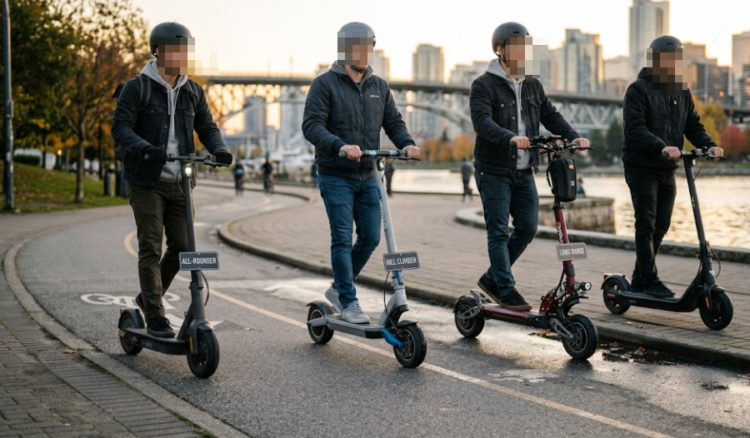
The Scooters That Actually Earned Their Spot
Best All Around Commuter
The Segway Max G2 keeps coming up as the benchmark for single motor scooters in this range, and after riding one for a stretch, I understand why. It strikes a rare balance of predictable braking, a comfortable deck, and a battery that holds up closer to its claimed range than most competitors.
Best for Hills
If your route involves any real incline, a dual motor option like the Apollo Go earns its place. It is one of the few scooters under $1000 that treats hills as a non-issue rather than a battery-draining struggle, which makes a bigger difference in daily life than most people expect.
Best Value for Long Range Riders
The EMOVE Touring quietly punches above its price tag with a longer range and sturdier suspension setup than scooters costing hundreds more. For anyone doing a longer commute instead of a quick trip to the store, this is the one worth researching further.
Most Reliable for the Long Haul
The NIU KQi3 Max built its reputation on consistency rather than flashy specs, with dependable braking and a warranty that reflects real confidence from the manufacturer. If longevity matters more to you than bragging rights on top speed, this is where I would start looking.

What I Would Skip Even If It Looks Tempting
Be careful with listings that lean heavily on maximum theoretical speed or dramatic range claims without any mention of tested conditions. Those numbers are usually measured under ideal circumstances that rarely match a real commute with stop signs, wind, and your actual body weight on board. If a listing cannot tell you the battery’s watt-hour rating, that is usually a sign to keep scrolling.
If portability is part of your decision, especially if you are combining a scooter with public transit or storing it in a small apartment, it is worth comparing frame weight and fold mechanisms before locking in a model. I broke down which models actually make sense for that kind of lifestyle in my folding electric scooter guide, since not every scooter that claims to be portable actually is once you try carrying it up a flight of stairs.
👉 Best Electric Scooter Under $1000
My Honest Take After Living With Mine
Buying under $1000 does not mean settling anymore. It means being intentional about which two or three specs actually matter for how you ride, instead of chasing the biggest number on the page. My own scooter has taken far more daily abuse than I expected it to survive, and it is still the ride I reach for every morning without a second thought.
If you take one thing away from this, let it be that the right scooter under $1000 is the one that matches your actual commute, not the one with the flashiest spec sheet.