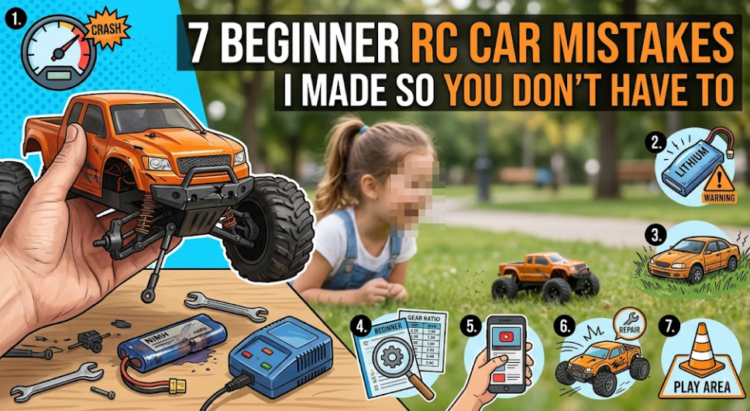
7 Beginner RC Car Mistakes I Made So You Don’t Have To
My six-year-old daughter picked out our first RC car at the store, a bright orange truck that looked like it could climb a mountain. It could not. Within a week I had fried a battery, snapped a steering link, and learned more about this hobby the hard way than I ever wanted to.
If you are standing in that same spot right now, holding a box and hoping you are not about to waste your money, keep reading. These are the mistakes that actually cost me time, cash, and a little bit of pride, laid out so you can skip straight to the fun part.
Beginner RC Car Mistakes – Buying On Speed Alone
The box said fast, so I bought fast. That was the whole decision process, and it was a bad one. A brand new driver does not need a car that hits thirty miles an hour in a straight line, especially when that driver is trying to teach a kid how to steer without launching the thing into a fence.
Speed sounds exciting in the store, but it turns into a headache in your yard. I ended up digging into how fast a first RC car should actually be</a> after I had already learned the lesson the expensive way, and it confirmed what my dented front bumper already told me. Slower is more fun when you are still learning where the throttle trigger even is.
Why This One Bites You Twice
It is not just the crashes. A car that is too fast for your skill level also gets abandoned faster, because nobody enjoys constantly rebuilding something they cannot control. My daughter lost interest for almost a month after our first truck kept spinning out, and that had nothing to do with her and everything to do with me picking the wrong car.
Skipping Battery Basics Completely
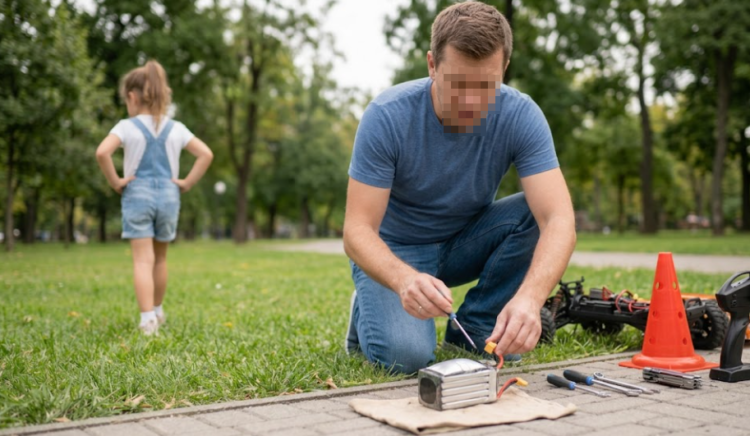
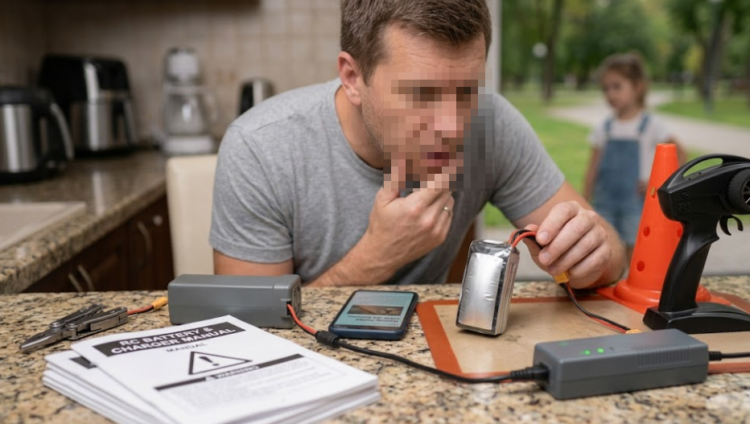
I plugged in a charger, walked away, and came back to a battery that had puffed up like a marshmallow. Nobody told me that lithium batteries need to be watched, stored at a certain charge level, and matched to the right charger settings. I just assumed a battery was a battery.
This is the mistake that scares people the most once they learn about it, and honestly it should. Take twenty minutes before your first drive to actually read the manual that came with your battery and charger. It is boring, I know, but it is the difference between a hobby that lasts and one that ends with a small kitchen fire story you tell at parties.

Ignoring Where You Actually Plan To Drive
I bought a car built for pavement and then wondered why it got stuck the first time we took it to the park. Grass, dirt, gravel, and driveway pavement are not the same surface, and RC cars are built with very specific terrain in mind. Nobody explains this at checkout, which means most beginners find out the hard way, usually while their kid is standing there asking why the car stopped moving.
Before you buy anything, walk around your own house and actually picture where the car will spend most of its time. Backyard grass wants different tires and ground clearance than a smooth driveway loop, and guessing wrong here is one of the most common reasons a brand new RC car ends up sitting in a closet by week three.

Rushing Past The Basics To Feel Like A Pro
I wanted to skip the boring stuff and jump straight into upgrades, gearing, and all the advanced talk I saw in forums. That backfired fast, because half of it did not make sense without understanding the fundamentals first. I ended up back at square one, rereading things I had skimmed past the first time.
If you are new to this, there is no shame in starting with an actual beginner-focused breakdown instead of guessing. I wish someone had pointed me toward a solid honest starter guide for RC cars before I burned a weekend trying to reverse engineer gear ratios I did not need to know yet. Learn to drive and maintain the basic setup first. The upgrades will still be there once you actually understand what you are upgrading.
The Trap Of Watching Too Many Advanced Videos Too Soon
There is a difference between learning and comparing yourself to someone who has been doing this for ten years. I spent more time watching advanced drivers than I spent actually practicing, and that gap between what I watched and what I could do just made me frustrated. Put the phone down and drive the thing you already own.
Forgetting That Crashes Are Part Of The Process
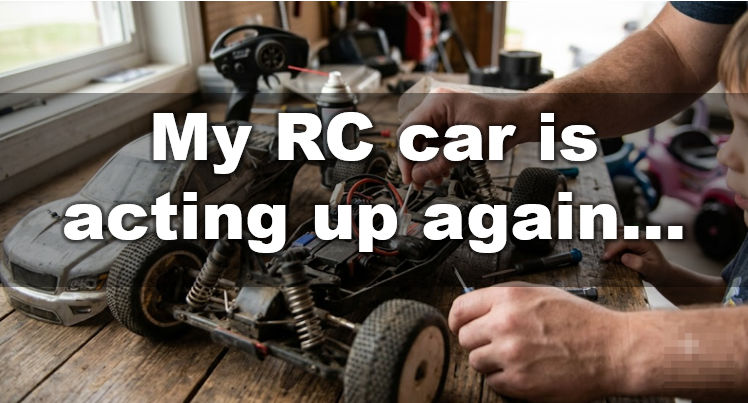
I treated every scrape and broken part like a disaster instead of a normal Tuesday. That mindset almost made me quit twice in the first month. RC cars get dinged up. Wheels pop off. Suspension arms crack. This is not a sign you did something wrong, it is just what happens when plastic and dirt meet at speed.
Once I stopped panicking every time something broke and started treating repairs as part of the hobby, everything got more enjoyable, including for my daughter, who honestly found the crashes more entertaining than the actual driving half the time.

Not Setting Ground Rules Before The First Drive
We did not talk about where the car could and could not go before our first session, and within ten minutes it had rolled straight toward the street. That was on me, not the car and not my daughter. A two minute conversation about boundaries before you ever hit the throttle saves you a genuinely scary moment later.
If kids are involved at all, set the play area first. Point out the edges. Decide together where the car is allowed to go. It sounds obvious written down, but in the excitement of a first drive, it is the easiest step to forget.
Assuming One Car Has To Do Everything
I wanted our first RC car to handle grass, gravel, jumps, and speed runs all at once, and that expectation set us up to be disappointed no matter what we bought. No single beginner car does everything well. Once I accepted that this first one was for learning and having fun, not for checking every box, the whole experience got a lot less stressful.
What I Would Tell Myself On Day One
Start slower than feels necessary. Read the battery instructions before you touch the charger. Think about your actual driving surface before you buy. Learn the basics before chasing upgrades. And expect a few crashes, because that is genuinely part of the fun once you stop dreading it.
My daughter still asks to drive that same orange truck most weekends, dents and all. The mistakes did not ruin the hobby, they just made the learning curve longer than it needed to be. Skip a few of these and yours will not have to be.