
Redcat RC Car Maintenance Basics Every Owner Should Know
Why Most Redcat RC Cars Fail Early
Most Redcat RC cars don’t break because they’re poorly built.
They usually fail because owners (myself included, at first) skip the boring basics.
I’ve seen it happen more times than I can count—brand-new RC cars losing power, gears starting to grind, electronics dying after just a few weekends. I used to think maintenance was optional too. Looking back, that mistake probably cost me more money than the car itself.
If you own a Redcat RC car, maintenance isn’t really “extra.”
It’s the difference between a car that runs smoothly and one that’s always on the bench getting fixed. In my experience, picking up a few simple habits early on can easily double how long your RC lasts.
This guide covers the Redcat RC car maintenance fundamentals I wish I had known sooner—whether you’re running a basic brushed setup in your backyard or pushing a brushless build through rough terrain.
[ Redcat truck maintenance help needed – Facebook ]
Understanding Redcat RC Car Maintenance Fundamentals
Redcat RC cars are designed to be affordable, durable, and upgrade-friendly. But that also means many components require routine attention.
Why Redcat RC Cars Need Regular Maintenance
From my perspective, Redcat vehicles strike a balance between performance and cost. That balance means:
- Bearings are often open and exposed
- Plastic components require inspection
- Electronics need protection from moisture and dust
Ignoring these areas leads to premature wear. I personally learned this after burning through two spur gears in one month.
Maintenance Frequency Guidelines
A simple rule I follow:
- Light backyard use: inspect every 3–4 runs
- Dirt, sand, or wet terrain: inspect after every run
- High-speed or upgraded setups: partial check every session
Consistency matters more than complexity.
Cleaning Your Redcat RC Car the Right Way
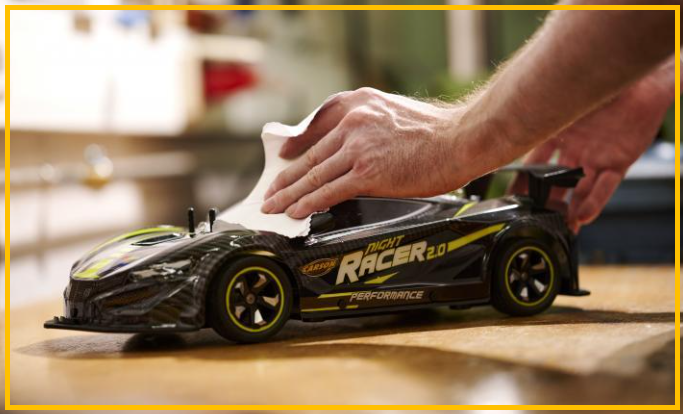
Cleaning is the foundation of all Redcat RC Car Maintenance.
What to Clean After Every Run
After each run, I always focus on:
- Chassis plate
- Suspension arms
- Shocks and shock shafts
- Wheels and hexes
A soft brush and compressed air usually do the trick. I avoid water whenever possible.
Safe Cleaning Tips
In my opinion, these are the most common cleaning mistakes:
- Spraying water directly on electronics
- Using household degreasers
- Ignoring driveline debris
If you want a deeper breakdown, I recommend reviewing this internal guide on basic RC vehicle care:
Basic RC Car Inspection Checklist for Beginners: Ensure Peak Performance and Safety
Lubrication and Moving Parts Maintenance
Critical Parts That Require Lubrication
Redcat RC cars rely on smooth drivetrain operation. I routinely lubricate:
- Differential gears
- Drive shafts
- Bearings
- Steering components
Use RC-specific grease, not automotive products.
Signs You’re Over-Lubricating
Too much grease attracts dirt. If you notice thick buildup or reduced speed, it’s time to clean and reapply lightly.
Battery and Electronics Care for Redcat RC Cars
Battery neglect is one of the fastest ways to kill performance.
Proper Battery Storage and Charging
From my experience:
- Always store LiPo batteries at storage voltage
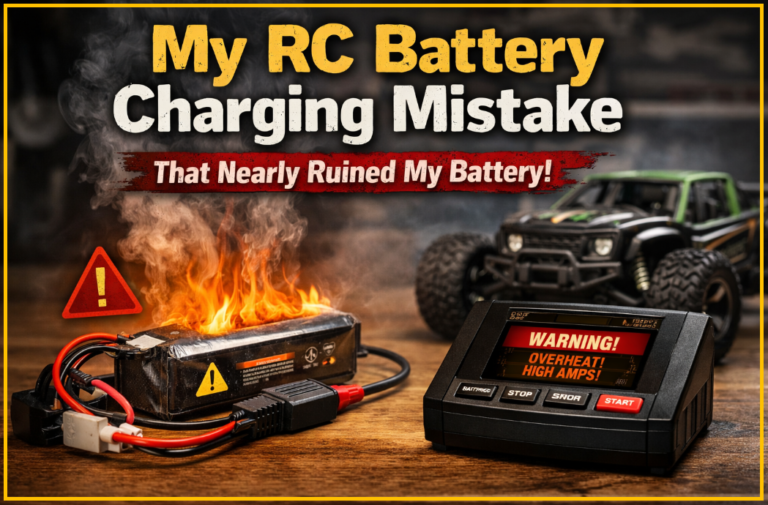
- Never charge immediately after a hot run
- Use a balance charger every time
If you’re new to RC batteries, this internal resource explains charging basics clearly:
RC Car Battery Problems Explained for Beginners: Common Issues, Fixes, and Real-World Tips
Protecting Electronics From Moisture and Heat
Even “water-resistant” electronics need care. I personally apply dielectric grease to connectors and ensure airflow around the ESC.
Suspension, Shocks, and Alignment Checks
Inspecting Shocks and Springs
Every few runs, I check:
- Leaking shock oil
- Bent shock shafts
- Uneven rebound
Suspension issues often feel like motor problems, which is why many people misdiagnose them.
Wheel Alignment and Handling
Poor alignment causes uneven tire wear and steering drift. Adjust toe and camber regularly, especially after crashes.
For tuning fundamentals, this internal article is worth reading:
Redcat Racing Parts Guide : The Only Upgrade & Replacement Guide You’ll Ever Need
Common Redcat RC Car Maintenance Problems (And Fixes)
Grinding Noise From the Drivetrain
Usually caused by:
- Loose motor mount
- Worn spur gear
- Misaligned pinion
Check gear mesh before replacing parts.
Sudden Power Loss
In my experience, this often points to:
- Overheated ESC
- Dirty motor
- Battery voltage sag
Maintenance solves most of these without upgrades.
Long-Term Maintenance Habits That Save Money
Looking back, I genuinely believe regular maintenance is the cheapest upgrade you can make. In my opinion, ten minutes after each run saves hours of repairs later.
Create a habit:
- Visual inspection
- Quick cleaning
- Battery check
- Fastener tightening
These basics keep your Redcat RC car running like new.
FAQ: Redcat RC Car Maintenance
Q1: How often should I clean my Redcat RC car?
After every dusty or wet run. Light use can go 2–3 runs, but inspection should be frequent.
Q2: Can I use water to clean my RC car?
I don’t recommend it. Compressed air and brushes are safer for electronics.
Q3: What lubricant should I use for Redcat RC cars?
Use RC-specific grease and light bearing oil. Avoid household lubricants.
Q4: How long do Redcat RC cars last with proper maintenance?
With consistent care, several years—even under regular use.
I also believe many RC owners quit too early because of preventable issues. From my perspective, Redcat RC cars reward owners who respect maintenance routines.
If you treat maintenance as part of the hobby—not a chore—you’ll enjoy smoother runs, fewer breakdowns, and better performance overall. And honestly, once it becomes a habit, it barely feels like work.