What Does RTR Mean in RC? Ready-to-Run Explained
What Does RTR Actually Mean in the RC Hobby?
RTR is one of those RC terms that sounds obvious until you actually start shopping.
You find a truck you like, see “RTR” in the title, and assume you’re basically done buying things once the box arrives. That’s usually true—but there’s often a small catch that catches beginners off guard.
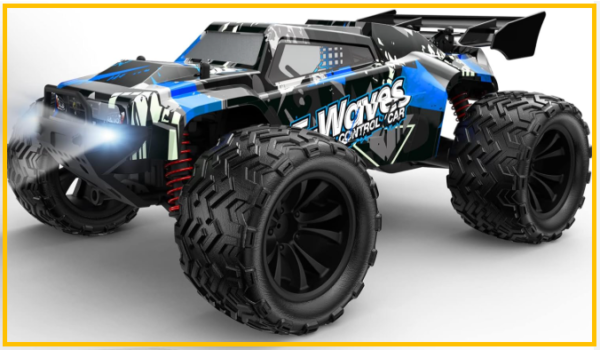
In the radio control world, RTR stands for “Ready-to-Run”. On paper, it means the vehicle is completely built at the factory. The chassis is assembled, the suspension is mounted, the electronics are installed, and the body is already painted and cut to fit.
If all you want to do is get a truck out in the backyard or a buggy down to the local park without spending twenty hours at a workbench with a set of hex drivers, RTR is the path of least resistance.
What’s Actually in the Box (And What Might Be Missing)
This is where people get confused. “Ready-to-Run” doesn’t always mean literally ready to drive five minutes after you open the packaging.
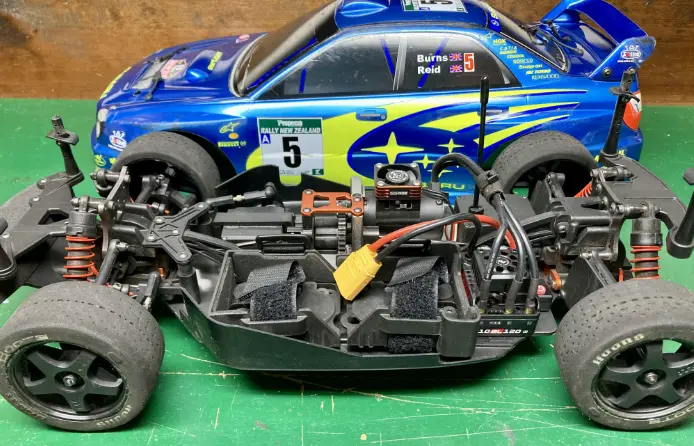
Most RTR setups include the main hardware: the fully assembled chassis, a pre-installed motor, an electronic speed controller (ESC), a steering servo, a receiver, a painted body, and a basic 2.4GHz radio transmitter.
The part you need to watch out for is the power setup.
Depending on the brand and the price point, an RTR might not come with a main drive battery or a charger. Entry-level models often include a basic battery and a slow USB charger, but you’ll still need to supply four AA batteries for the radio transmitter.
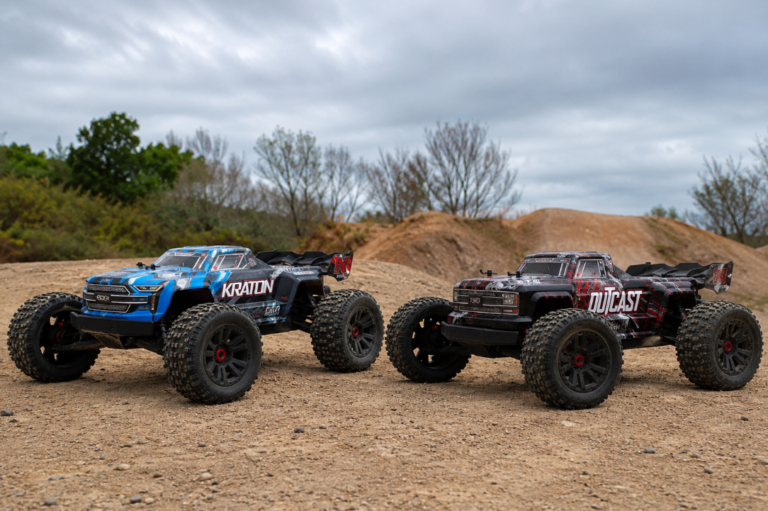
Once you move up to mid-range or higher-end RTRs—especially from brands like Traxxas, Arrma, or Losi—manufacturers usually leave the battery and charger out entirely. They assume experienced hobbyists already own good balance chargers and prefer specific LiPo batteries with their choice of connectors. Including cheap power gear would just drive up the retail price for parts most drivers would end up tossing in a drawer.
Before buying any RTR vehicle, always check the “Needed to Complete” section on the box or product page so you aren’t surprised when it arrives.
Related Posts:
👉 What Does “RTR” Mean in RC Cars?
The Real Tradeoff with RTR Vehicles
The convenience of RTR is hard to beat, but there is a tradeoff that only shows up after you’ve been driving for a few weeks.
When you start with an RTR, you skip the building process. That feels great on day one, but when you inevitably hit a curb, break a suspension arm, or strip a spur gear, your first repair job can feel a bit intimidating. Because you didn’t assemble the vehicle piece by piece, you don’t automatically know how the assemblies fit together or how to tear down a gearbox.
There’s also the component quality factor. To keep the total package price reasonable, manufacturers often equip RTRs with entry-level electronics. The stock steering servo might be plastic-geared and a little slow under load, or the included radio transmitter might lack advanced adjustments like endpoint setting or multiple-model memory.
They work fine out of the box, but as you get a feel for how the vehicle handles, those stock electronics are usually the first things you’ll want to upgrade.
Is RTR the Right Choice for You?
If you genuinely enjoy mechanical building, custom painting, and picking out every single electronic component from scratch, an unassembled kit is still a fantastic route.
If you’re new to RC and your main goal is to actually drive the thing rather than build it, RTR makes a lot more sense. ou get a truck that’s already put together, and you can learn the rest as you go. As things break or as you start looking for more speed and tighter steering, you can upgrade parts one at a time and learn the mechanical side of the hobby at your own pace.