Best RC Car for Dirt – What I Wish I Knew Before Buying One
The first RC car I ever bought for dirt was a complete disappointment.
It looked awesome online. Huge tires, aggressive body, all the marketing buzzwords you could imagine. But the first time I took it to a local dirt field, it spent more time spinning its tires than actually moving forward.
That experience taught me something important: not every RC car is built for dirt, no matter what the box says.
Why Finding the Best RC Car for Dirt Matters
When most people shop for an RC car, speed is usually the first thing they look at.
I get it. I did the exact same thing.
But after spending years driving RC cars on dirt trails, gravel lots, and rough open fields, I’ve learned that speed means almost nothing if the car can’t maintain traction.
The best RC car for dirt isn’t necessarily the fastest one.
It’s the one that keeps moving when the terrain gets messy.
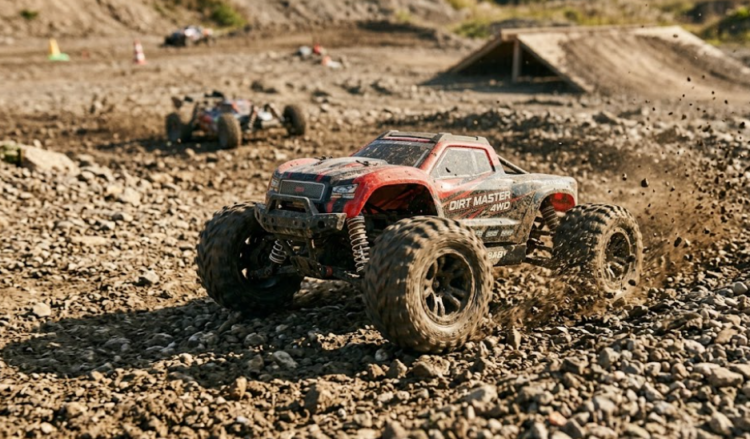
Loose dirt, gravel, small rocks, uneven ground, and random bumps will quickly expose the weaknesses of a poorly designed RC vehicle. That’s why choosing the right platform from the beginning can save a lot of frustration—and money.
What Makes an RC Car Good on Dirt?
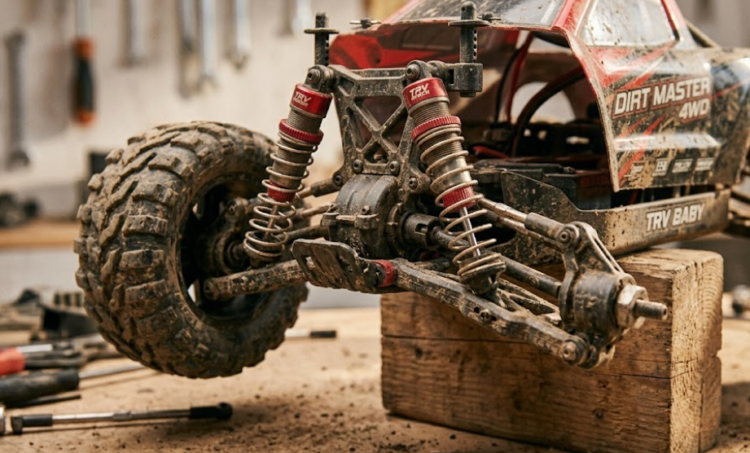
Tires Matter More Than Most People Realize
If there’s one thing I’ve learned, it’s that tires can completely change how an RC car feels.
A powerful motor won’t help much if the tires can’t find grip.
Deep tread patterns allow the car to dig into loose surfaces and maintain traction when accelerating or cornering. Larger tires also help with ground clearance, which becomes incredibly useful once you leave smooth pavement behind.
I used to blame my driving skills whenever my RC car slid around uncontrollably.
Turns out, the tires were the real problem.
Four-Wheel Drive Makes a Huge Difference
For dirt driving, I almost always recommend four-wheel drive.
A 4WD setup helps distribute power more evenly and keeps the vehicle moving through loose terrain. Whether you’re driving on gravel, packed dirt, or a rough trail, four-wheel drive simply feels more controlled.
In my opinion, it’s one of the biggest upgrades you can have if dirt driving is your primary goal.
Suspension Is the Unsung Hero
Most beginners focus on speed.
Experienced RC drivers tend to focus on suspension.
A quality suspension system keeps the tires connected to the ground, absorbs impacts, and improves overall stability. Without it, even a powerful RC car can feel unpredictable and difficult to control.
The difference becomes obvious the moment you hit your first rough trail.
Choosing the Right Size for Dirt Driving
One mistake I made early on was assuming bigger automatically meant better.
That’s not always true.
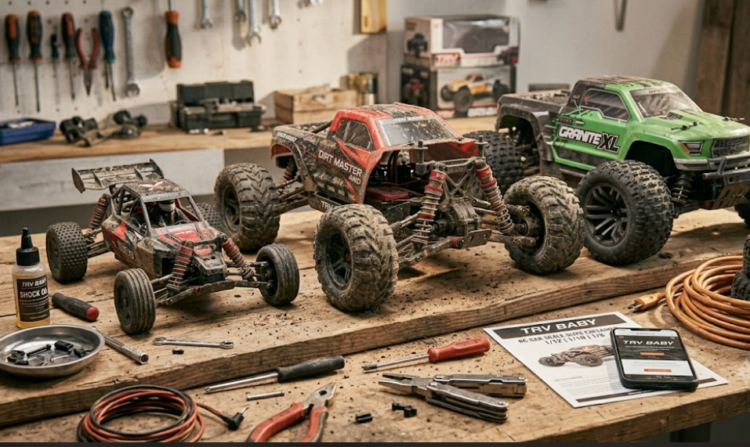
For most people, a 1/10 scale RC car is the sweet spot.
It’s large enough to handle rough terrain, small enough to transport easily, and replacement parts are widely available.
If you’re new to RC cars and aren’t sure which scale makes sense for your situation, I recently put together a detailed guide about RC car sizes here:
That guide explains the real-world differences between 1/10, 1/8, and smaller scales without all the confusing hobby jargon.
Common Dirt Driving Mistakes Beginners Make
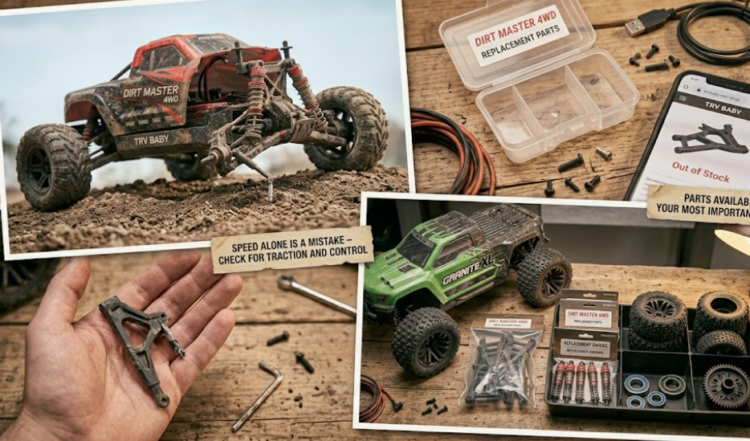
Buying Based on Speed Alone
I see this all the time.
A beginner finds an RC car that claims insane top speeds and immediately assumes it’s the best choice.
Then reality happens.
The vehicle becomes difficult to control, struggles for traction, and spends half its time upside down.
A balanced setup with good tires, solid suspension, and dependable handling will almost always provide a better experience than chasing maximum speed.
Ignoring Parts Availability
This one doesn’t sound exciting, but it’s important.
Eventually, something will break.
That’s simply part of the hobby.
Before buying an RC car, check whether replacement parts are easy to find. Trust me, waiting weeks for a simple suspension arm isn’t fun.
I also agree with experienced hobbyists who say parts support is often more important than fancy features.
Where Dirt RC Cars Really Shine
One of my favorite things about dirt-focused RC cars is the variety of places you can drive them.
Open dirt fields are fantastic.
Gravel roads can be surprisingly fun.
Even a simple backyard can become an RC playground if the terrain has enough variation.
Some of my most enjoyable driving sessions happened in places that weren’t RC tracks at all.
Just an empty dirt lot, a charged battery, and an hour of free time.
If you’re wondering where you can safely drive an RC car without annoying everyone around you, this guide may help:
It’s something I wish I had read when I first got into the hobby.
Keeping Your Dirt RC Car Running Strong
Dirt driving is fun.
Cleaning afterward is less fun.
But skipping maintenance is one of the fastest ways to shorten the life of your RC car.
After every run, I try to remove loose dirt from the chassis, suspension, wheels, and drivetrain. It only takes a few minutes and prevents a lot of unnecessary wear.
I also check wheel nuts, suspension screws, and tires before each run.
Those small habits have saved me from countless headaches over the years.
Don’t Ignore Tire Wear
Most RC drivers obsess over motors and batteries.
Meanwhile, worn-out tires quietly destroy performance.
If your RC car suddenly feels less stable or struggles for traction, check the tires before assuming something major is wrong.
You might be surprised how much difference a fresh set can make.
If you’re searching for the best RC car for dirt, focus on capability rather than marketing claims.
Look for good tires, four-wheel drive, quality suspension, strong parts support, and a size that matches where you plan to drive.
I also believe that many RC enthusiasts overcomplicate things when they’re starting out. You don’t need the most expensive model on the market to have a great time.
Some of my favorite RC memories came from simple weekend drives across dusty fields and rough trails.
Choose a vehicle that can handle dirt confidently, keep it maintained, and spend more time driving than shopping for upgrades.
That’s where the real fun begins.