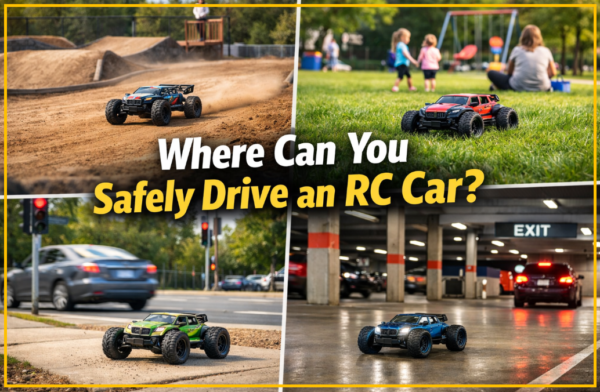
The Question Every RC Owner Eventually Asks
The first time I bought a serious RC car, not a toy-store one but a real hobby-grade model, I assumed I could drive it anywhere. A quiet street, an empty parking lot, maybe even a local park. But after a few awkward stares and one polite warning, I realized something important. Where you drive an RC car actually matters more than most people think.
In my experience, and I genuinely feel this way, knowing where you can safely drive an RC car is just as important as knowing how to control it. Damage, complaints, fines, and even accidents often happen not because of bad driving, but because of bad location choices. I also agree with many longtime hobbyists who say the location can make or break your RC experience.
This article breaks it all down from a real-world perspective. No theory, no legal jargon overload, just practical advice you can actually use.
Why RC Car Driving Locations Matter More Than You Think
At first glance, an RC car feels harmless. It’s small, remote-controlled, and usually driven for fun. But modern RC cars can reach surprisingly high speeds and carry real weight. In my opinion, that’s exactly why location matters.
Public safety is the biggest factor. A fast RC car can hurt a child, damage property, or cause someone to panic if it suddenly darts across their path. I also believe many conflicts between RC drivers and the public happen simply because people don’t expect RC cars in certain places.
Another issue is legality. Some locations allow RC use by default, while others restrict it quietly through park rules or municipal codes. I’ve learned that just because no one stops you immediately doesn’t mean you’re allowed to be there.
The Safest and Most Accepted Places to Drive an RC Car
Private Property with Permission
This is, without question, the safest option. Driving an RC car on your own driveway, backyard, or private land where you have permission removes almost all legal and social risk.
I personally think this is the best place for beginners. You control the environment, there are no strangers, and no unexpected rules. If you’re testing speed, upgrades, or learning throttle control, private property gives you freedom without pressure.
RC Tracks and Hobby Parks
Dedicated RC tracks are ideal if you have access to one. These locations are designed specifically for RC vehicles, meaning safety barriers, clear rules, and people who actually expect fast-moving RC cars.
In my experience, RC tracks also help you become a better driver. The layouts force you to learn braking, cornering, and control. I also agree with many hobbyists who say this is where RC driving becomes a real skill rather than just casual fun.
Open Dirt Fields and Empty Lots
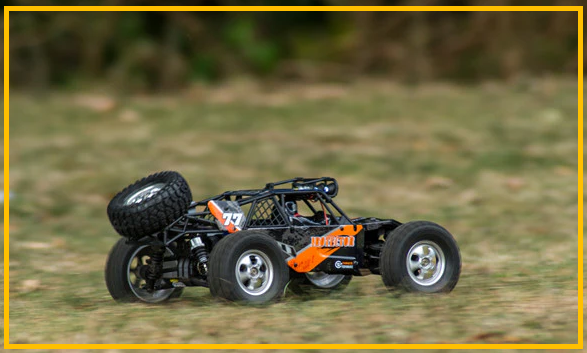
Large open dirt areas can work well, especially for off-road RC cars. The key here is timing. Early mornings or times when the area is completely empty are usually safest.
I’ve driven in open lots before, and in my opinion, awareness is everything. If people start showing up, it’s time to leave. Staying flexible avoids unnecessary conflict.
Places You Should Think Twice About
Public Parks and Playgrounds
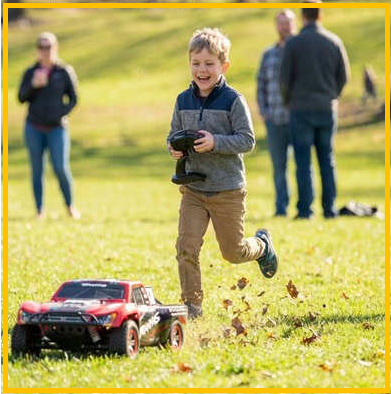
This is where many beginners get into trouble. While parks feel open and public, many cities restrict motorized or remote-controlled vehicles, even if signs are not obvious.
I also think this is where RC drivers unintentionally upset parents and dog owners. Children run unpredictably, pets chase moving objects, and RC cars quickly become a distraction or perceived danger.
Streets, Sidewalks, and Parking Garages
In my view, streets are a hard no. Even quiet residential roads carry risk. One distracted driver, one unexpected turn, and the situation escalates fast.
Parking garages and sidewalks fall into the same category. They are designed for people and full-size vehicles, not RC cars. Even if it feels empty, it’s usually not worth the risk.
Legal Considerations Most People Ignore
Here’s something I learned the hard way. Local rules vary widely. Some cities classify RC cars as motorized devices, while others treat them like toys.
In my opinion, it’s always smart to check local park websites or city ordinances before choosing a spot. Many parks quietly list RC restrictions online even if no signs are posted. This is especially important if you plan to drive regularly in the same location.
If you’re running a WordPress blog related to RC hobbies, understanding these rules also helps you create responsible content.
Basic RC Car Inspection Checklist for Beginners: Ensure Peak Performance and Safety
Redcat RC Car Battery and Charger Basics Explained: What New Owners Should Actually Know
Safety Tips That Actually Matter in Real Life
Control range is often overlooked. Many RC cars lose signal before you expect it. In my experience, driving closer and slower in public-adjacent areas prevents panic situations.
Battery awareness matters too. A dying battery can cause unpredictable behavior, and I honestly think most RC accidents happen right at the end of a battery cycle.
Respecting people around you goes a long way. I also believe that calmly explaining what you’re doing when someone asks can instantly reduce tension.
After years of watching new drivers repeat the same mistakes, I truly think location choice is the most underrated part of RC ownership. I feel the same way now as I did after my first warning. Where you drive matters just as much as what you drive.
In my opinion, choosing safe and appropriate locations not only protects others but also protects the future of the hobby. I also agree with experienced RC drivers who say responsible behavior keeps public spaces open instead of restricted.
If you want long-term enjoyment, fewer arguments, and zero stress, pick your driving spot wisely.