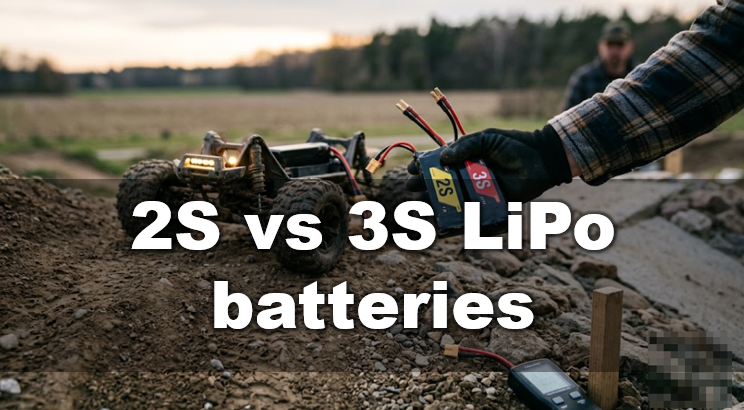
2S vs 3S LiPo battery – What’s the Real Difference?
2S vs 3S LiPo battery – What’s the Real Difference?
As an Amazon Associate I earn from qualifying purchases.
Ever stood in the aisle at your local hobby shop, two nearly identical battery packs in your hands, wondering why one costs almost twice as much for what looks like the same brick of cells? I used to just shrug and grab whichever one looked shinier. This time I strapped both packs into the same truck and ran them through three completely different terrains until the numbers finally told me the truth.
2S vs 3S LiPo battery – The Test I Actually Ran
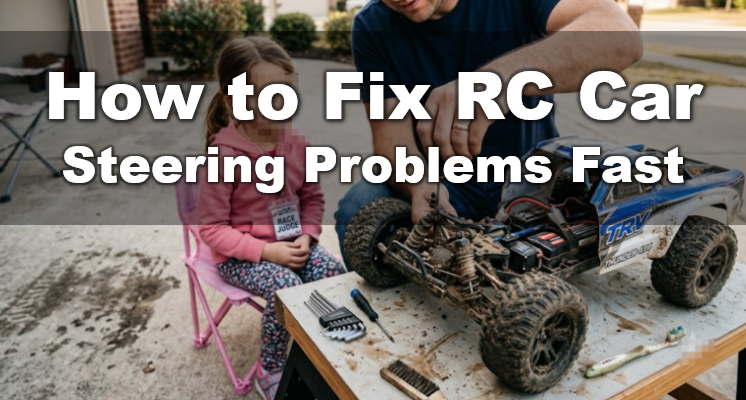
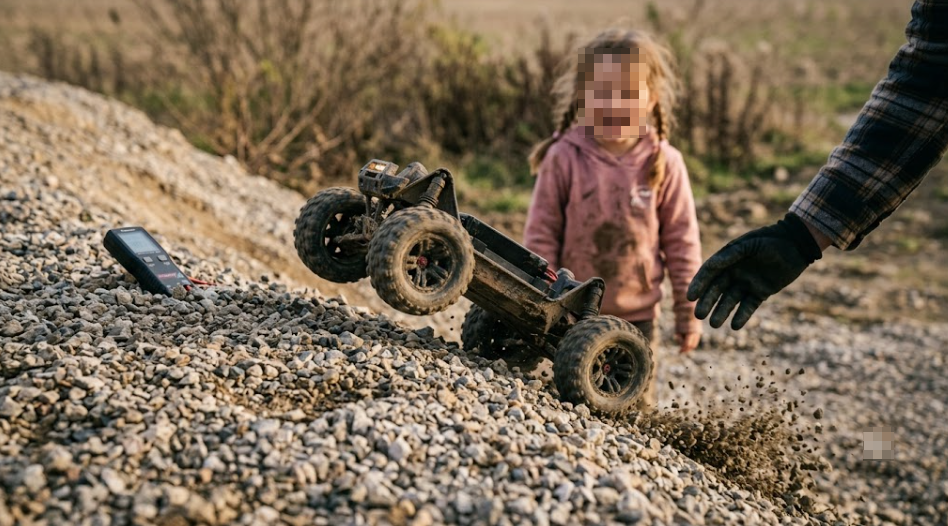
I kept everything else constant. Same 1/10 scale RC truck, same tires, same driver, same afternoon. The only thing that changed was the battery pack going in and out of the tray, a 2S LiPo one lap and a 3S LiPo the next. My six year old daughter came along for most of it, mostly because she likes yelling “again, again” every time the truck comes back covered in dirt. I ran three timed laps per battery on three surfaces: smooth pavement, thick backyard grass, and a gravel hill behind our house that has ended more than one battery’s dignity.
Pavement Test
On flat pavement, the 2S pack was honestly fine. Throttle response felt smooth, the truck cruised along without drama, and the difference between the two packs was noticeable but not dramatic, maybe fifteen percent more top speed with the 3S. If your driving is mostly flat driveway laps, this is the terrain where a 3S upgrade matters least.
Grass Test
Grass is where things got interesting. The 2S pack started bogging down almost immediately, the motor working overtime just to keep momentum through the blades. The 3S pack shrugged it off completely, plowing through the grass at a pace that barely dropped from its pavement speed. This was the first terrain where I actually said out loud, okay, now I get it.
Hill Test
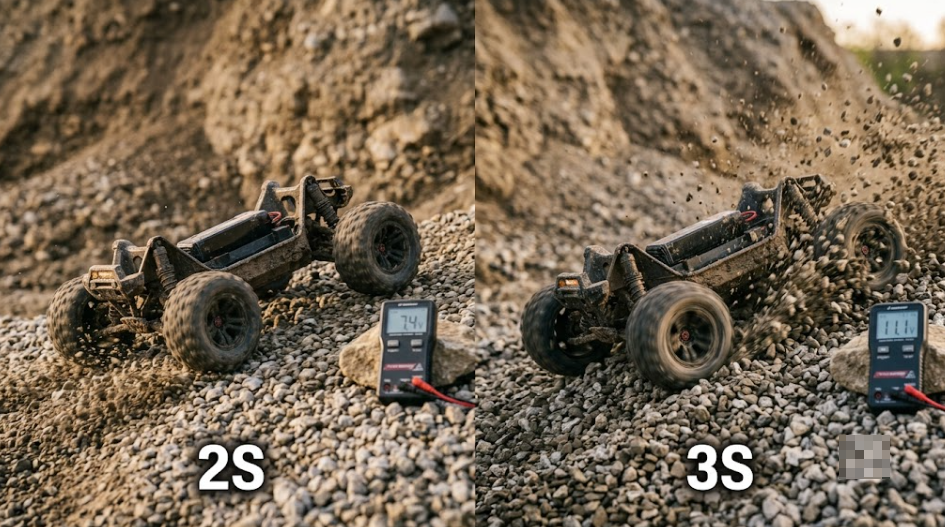
The gravel hill was the real test, and it wasn’t close. The 2S pack made it about two thirds of the way up before losing steam and rolling back down, which made my daughter laugh way harder than it probably should have. The 3S pack climbed the entire hill without hesitation, torque to spare the whole way. If hills, mud, or anything with resistance are part of your regular runs, this is the moment that will make or break your decision.
👉 Check Amazon’s Lowest Price
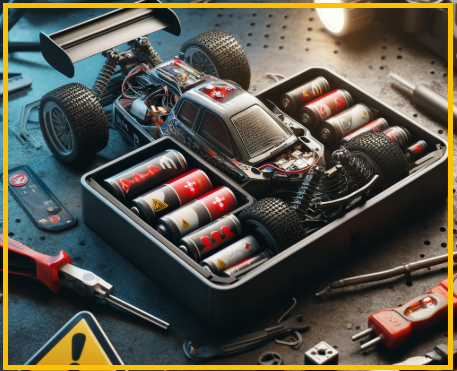
Lipo Battery Safe Bag Fireproof Explosionproof Large Capacity Bag
So What’s Actually Different Between 2S and 3S
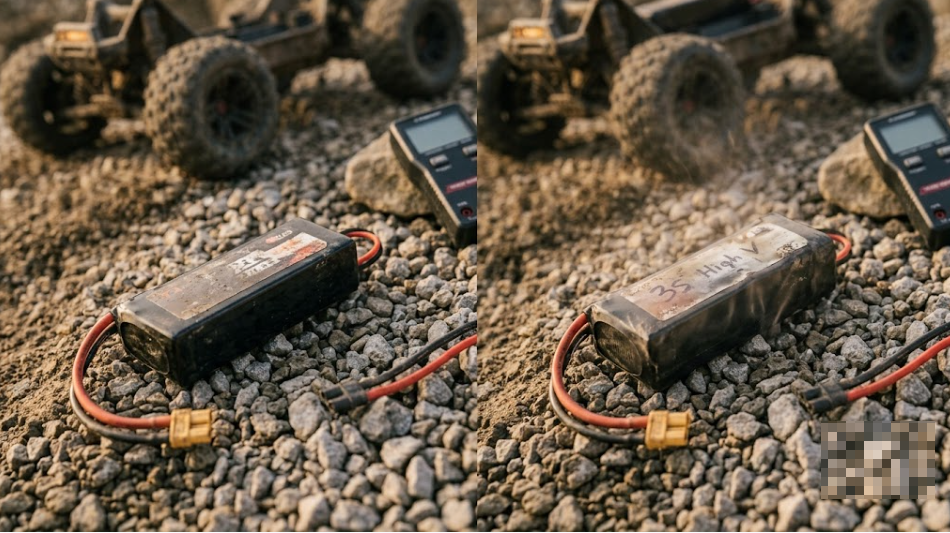
The short version is voltage. A 2S pack runs at roughly 7.4 volts, while a 3S pack runs at about 11.1 volts. That extra voltage translates directly into more power reaching the motor, which shows up as more speed, more torque, and a lot more confidence on rough terrain. It is not a gimmick or marketing spin, it is simple electrical math that plays out exactly the way you would expect once you actually watch it happen across different surfaces.
Runtime – The Trade-Off Nobody Warns You About
Here is the part most product listings gloss over. My 2S pack lasted close to eighteen minutes of mixed driving. The 3S pack, doing more work and pulling more current, was drained in around twelve. More power is never free. You are trading runtime for performance, and depending on how you actually use the vehicle, that trade might not be worth it. I ran into a nearly identical trade-off while comparing capacity and range on two different electric scooters, where a bigger battery didn’t always mean a better ride once you factored in weight and heat.
Heat and Component Stress
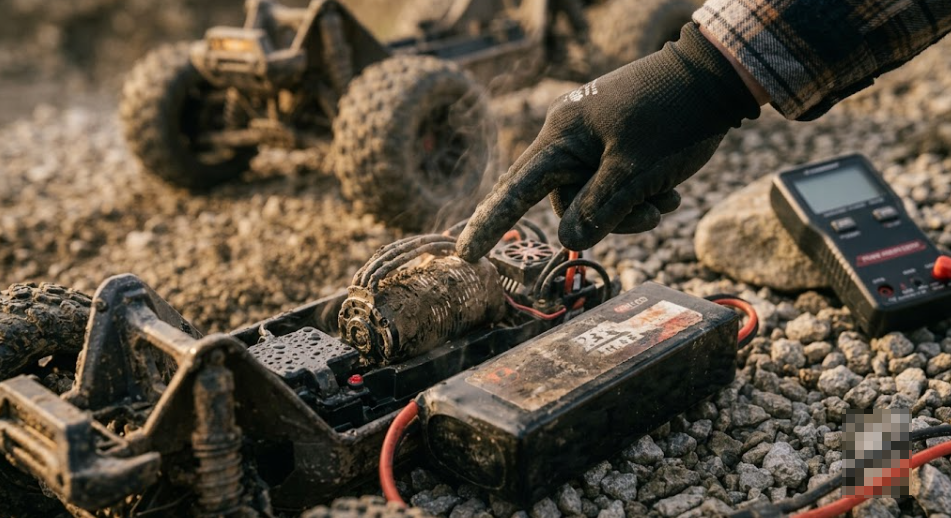
The 3S pack ran noticeably warmer, both the battery itself and the motor after extended hill climbing. This matters more than people think. Before jumping to a 3S setup, check that your motor and ESC are actually rated to handle the higher voltage. Running a 3S pack through components built only for 2S is a fast way to shorten the life of both, and I learned that lesson the expensive way on an earlier truck.
👉 Check Current Price & Availability
Zeee Fireproof Explosionproof Lipo Bag Battery Storage
Which One Should You Actually Buy
If you are mostly cruising flat pavement, teaching a beginner, or just want predictable and mellow runs, a 2S pack is genuinely enough and easier on your components. If you are chasing speed, climbing hills, or driving anywhere with grass, dirt, or resistance, the 3S pack earns its higher price tag. It is the same logic that shows up when people chase the fastest scooters on the market, more power always comes with trade-offs worth understanding before you buy.
After three terrains and a very enthusiastic six year old co-pilot, the winner depends entirely on where you actually drive. Flat and casual, stick with 2S. Hills, grass, or anything demanding, the 3S pack is worth every extra dollar, as long as your setup can handle it.