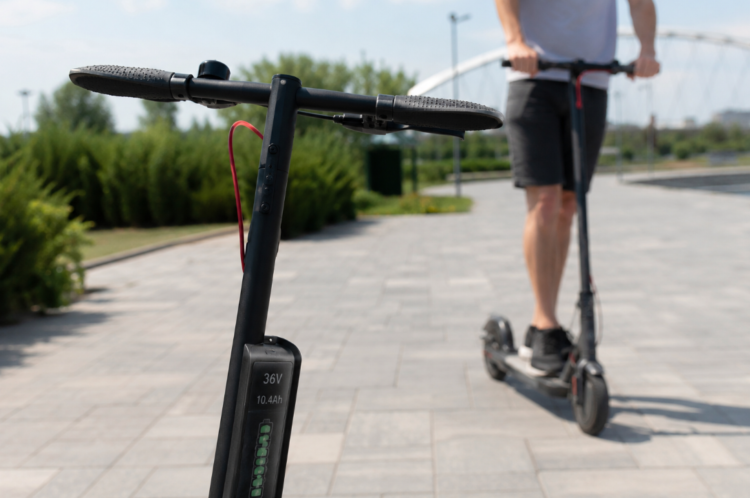
Battery Capacity vs Range – What I Learned After Riding Electric Scooters for Months
When I bought my first electric scooter, I made the same mistake most beginners make.
I looked at the biggest range number on the box.
One scooter claimed 45 miles. Another claimed 28 miles. The choice seemed obvious.
At least that’s what I thought.
A few weeks later, I learned something that every electric scooter owner eventually discovers: advertised range and real-world range are often two completely different things.
On paper, my scooter looked capable of riding almost all day. In reality, after dealing with hills, traffic lights, windy afternoons, and my less-than-perfect riding habits, the battery drained much faster than I expected.
That’s when I started paying attention to something manufacturers don’t always explain clearly—battery capacity.
After spending months riding electric scooters for commuting, grocery runs, and weekend rides, I’ve learned that battery capacity matters, but it isn’t the whole story.
If you’re trying to choose the right scooter, understanding the relationship between battery capacity and range will save you money and help you avoid the disappointment of unrealistic expectations.
Why Battery Capacity Matters
Battery capacity tells you how much energy the battery can store.
Most electric scooters list battery specifications using watt-hours (Wh), and this number is usually a better indicator of potential range than flashy marketing claims.
For example, a scooter with a 720Wh battery generally has more stored energy than one with a 360Wh battery.
That sounds simple enough.
The problem is that stored energy doesn’t automatically translate into riding distance.
I learned this firsthand after riding two different scooters with similar battery sizes. One consistently delivered noticeably better range than the other, even though their battery capacities looked almost identical on the spec sheet.
The reason comes down to efficiency.
Motor design, rider weight, tire pressure, terrain, and riding speed all influence how efficiently that energy gets used.

My Real-World Battery Capacity vs Range Comparison
After spending time with several commuter scooters, I noticed a rough pattern.
Scooters with batteries around 350Wh to 400Wh typically delivered somewhere between 12 and 18 miles of realistic riding range.
Models with batteries around 700Wh often managed between 22 and 35 miles.
Once battery capacity reached 1,000Wh or more, real-world range usually landed somewhere between 35 and 55 miles.
Notice a pattern?
Range increases as battery capacity increases, but not in a perfectly linear way.
Doubling battery size doesn’t automatically double your riding distance.
In my opinion, this is where many buyers get confused.
Manufacturers advertise ideal conditions. Real life is rarely ideal.
What Reduced My Range the Most
Hills
This was probably the biggest surprise.
A route that looked short on a map could consume far more battery than a longer ride on flat terrain.
Even moderate inclines forced the motor to work harder and drained energy much faster than expected.
Riding Fast
I’ll admit it.
When I first got my scooter, I rode at maximum speed almost everywhere.
It was fun.
It was also terrible for battery life.
The difference between cruising comfortably and riding flat-out was much larger than I expected.
Stop-and-Go Traffic
City riding is brutal on range.
Every red light means another acceleration cycle.
Every acceleration requires additional power.
After months of commuting, I found that heavy urban traffic reduced my range far more than steady bike-path riding.
Bigger Batteries Are Not Always Better
One thing I didn’t think about before buying was weight.
A larger battery usually means a heavier scooter.
That might not sound important until you’re carrying it up apartment stairs, lifting it into a car trunk, or moving it through a crowded train station.
I also noticed longer charging times and higher purchase prices.
That’s why I tell friends to focus on realistic needs instead of chasing the largest battery available.
If your daily commute is only 8 to 10 miles, you probably don’t need a scooter advertising 60 miles of range.
How I Choose the Right Battery Capacity Today
After plenty of trial and error, my approach is simple.
I calculate my average daily distance and then choose a scooter capable of delivering roughly twice that amount in real-world conditions.
That extra buffer helps compensate for weather, battery aging, traffic, and unexpected detours.
It also reduces charging anxiety.
If you’re still researching commuter-friendly models, I recently shared my thoughts in my guide on city commuting scooters:
You’ll find several options that balance battery capacity, portability, and real-world performance much better than many marketing-heavy alternatives.
Don’t Forget Battery Maintenance
Another lesson I learned the hard way is that battery performance depends heavily on how you care for it.
Leaving a battery fully discharged for long periods, exposing it to extreme temperatures, or using poor charging habits can reduce long-term capacity.
That’s why regular maintenance matters more than most riders realize.
I put together a detailed guide covering the maintenance routine I personally follow:
Electric Scooter Battery – How Long Do They Really Last?
Despite the unusual URL structure, it’s actually my electric scooter maintenance article and explains how I keep battery performance consistent throughout the year.
If there’s one thing I’ve learned from riding electric scooters regularly, it’s this:
Battery capacity and riding range are related, but they’re not the same thing.
A bigger battery gives you more available energy, but real-world range depends on how efficiently that energy is used.
Terrain, speed, weather, rider weight, tire pressure, and traffic conditions all play a role.
I feel the same way today as I did after my first few months of riding—real-world performance matters far more than marketing numbers.
Before buying your next scooter, focus on how you actually ride rather than the largest range figure printed on the product page.
Your future self, standing miles away from the nearest charging outlet, will thank you.