
Best Saltwater RC Boats Worth Buying
Best Saltwater RC Boats Worth Buying
As an Amazon Associate I earn from qualifying purchases.
Ever wonder why your RC boat ran perfectly at the lake all summer, then seized up like a rusty door hinge the one weekend you took it to the beach? You’re not imagining things, and you’re not doing anything wrong. Saltwater is brutal on anything with a motor, a bearing, or a metal screw, and most RC boats on the market were never built with the ocean in mind. They were built for a calm backyard pond, photographed on a lake, and sold to you without a single warning label about salt corrosion.
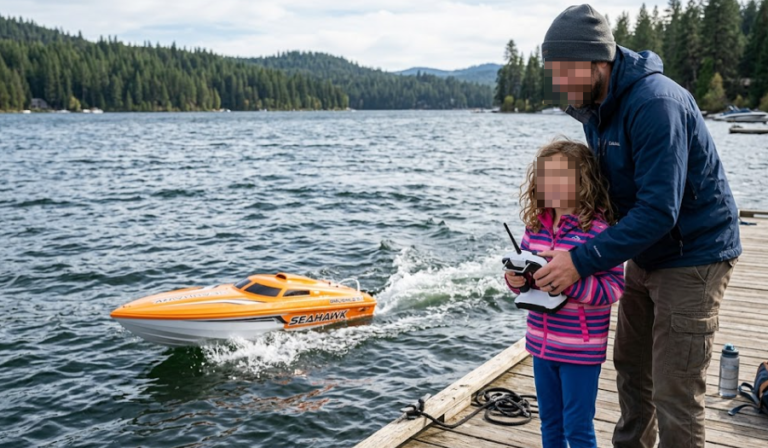
I found this out the expensive way. My six year old daughter has been begging to take her boat to the beach for months, and I finally gave in one Saturday. Twenty minutes into the trip, the steering started sticking. By the time we packed up, the whole drive train sounded like it was chewing gravel. That boat never ran the same again, and it taught me to actually understand what I was buying instead of just trusting the box art.

What “Saltwater Ready” Actually Means
Here’s the thing nobody tells you at the store: there is no official saltwater certification for RC boats. Manufacturers throw around words like “marine grade” and “waterproof” pretty loosely, and those words mean very different things depending on which company printed them. A boat that survives a splash in a swimming pool is not automatically a boat that survives a full afternoon getting hit by waves and salt spray.
Corrosion Resistance Versus Waterproofing
Waterproofing keeps water out of the electronics box. Corrosion resistance is a separate issue entirely, and it’s the one that actually matters for saltwater. Salt doesn’t just sit on the surface and rinse off. It works its way into every seam, every screw thread, and every bearing race, and it keeps doing damage long after the boat is dry and back in the garage. A boat can be perfectly waterproof and still corrode itself into a paperweight if the internal hardware isn’t rated for salt exposure.
Check Amazon’s Lowest Price
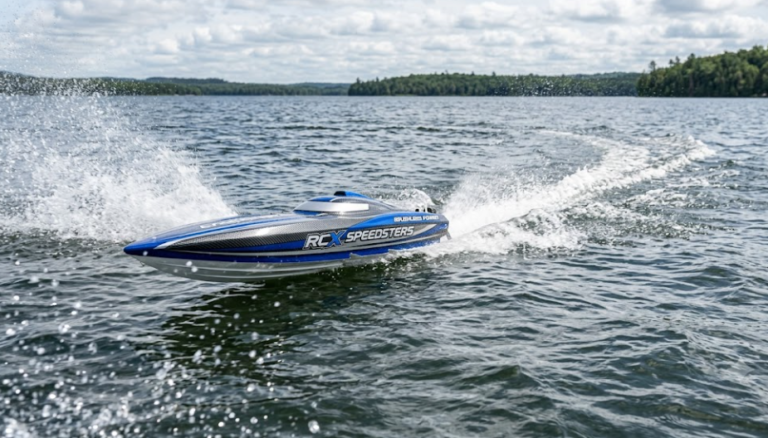
👉 25″ Brushless RC Boat 30 MPH High Speed Large Racing Remote Control Boat
What You’re Actually Paying For
This is where I think most people get it wrong. They compare RC boats on top speed and hull color, then wonder why the cheap one falls apart after two trips to the coast. If you’re spending money on a boat for saltwater use, here’s where that money is actually going, part by part.
The Motor and ESC
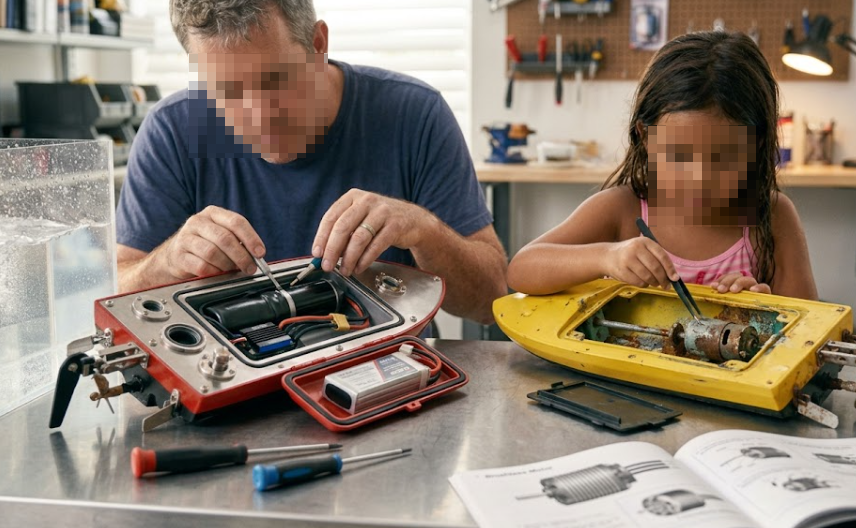
A sealed, brushless motor with a waterproof electronic speed controller is the single biggest thing separating a saltwater survivor from a one season disposable toy. Brushed motors are cheaper to manufacture, and that’s exactly why they show up in every budget boat on the shelf. They also have exposed contacts that salt eats through fast. When you see a price jump between two boats that look nearly identical, this is usually where it’s hiding.
The Hull Material and Hardware
Injection molded plastic hulls flex less and hold their shape better in choppy water than the thin foam hulls found in toy grade boats. But the hull is only half the story. Check what the screws, hinges, and rudder linkage are made from. Stainless steel and brass hardware cost more to source than standard zinc coated steel, and that cost gets passed straight to you. It’s worth paying for, because that’s the hardware that seizes up first after saltwater exposure.
The Battery and Charging System
Saltwater boats need a sealed battery compartment with a genuinely tight gasket, not just a lid that snaps shut. A cheap seal lets in enough moisture over a few outings to short the connections or swell a LiPo battery, which is a real safety issue, not just an inconvenience. Boats built with saltwater use in mind almost always spend a little extra here, and it shows in the price tag.
Check Current Price & Availability
👉 25″ Brushless RC Boat for Adults, 30+MPH Fast Remote Control Boat for Lakes
Best RC Boats for Saltwater by Budget
Under 150 Dollars
At this price point, treat any boat as a rinse-and-hope situation rather than a true saltwater machine. Look for a sealed hatch and basic brushless motor, then rinse thoroughly after every single run. This tier can handle occasional beach trips, but it’s not built for regular saltwater duty.
150 to 300 Dollars
This is the sweet spot for most families who want a boat that can actually live near the coast. Expect a brushless motor, a waterproof ESC, and stainless hardware as standard features rather than upgrades. Boats in this range are built to handle regular saltwater exposure with proper rinsing, not just survive it once.
300 Dollars and Up
Here you’re paying for redundancy. Double sealed hatches, marine grade bearings, and hardware that’s genuinely rated for ongoing ocean use. If you live on the coast and plan to run your boat in saltwater every week rather than once a summer, this is the tier where the extra cost actually pays for itself in boats you’re not replacing every year.
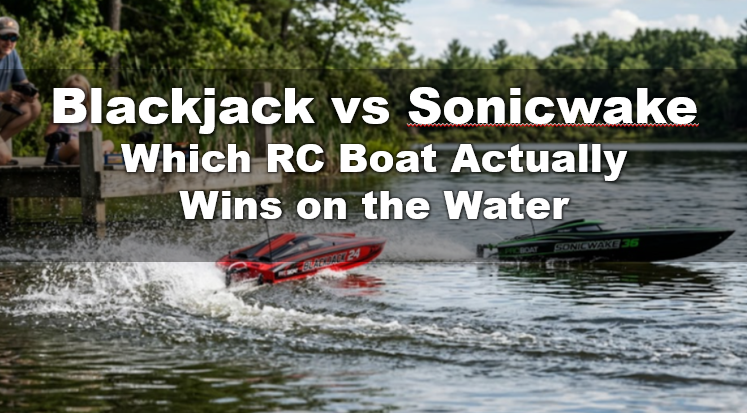
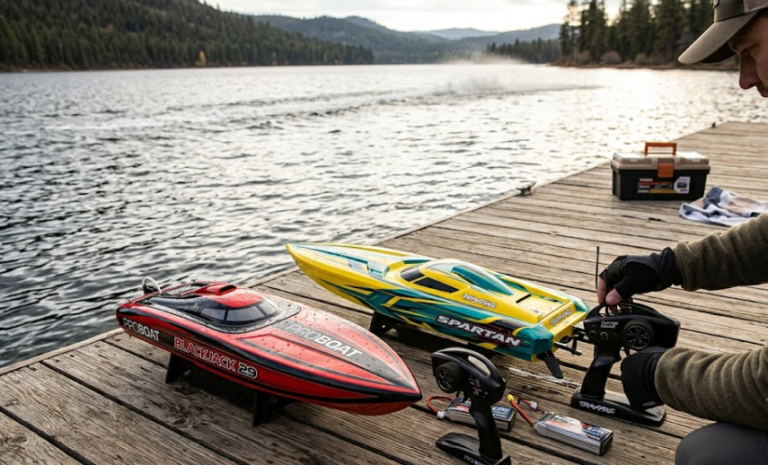
If your runs are mostly calmer, freshwater trips rather than full ocean use, it’s worth reading our breakdown of the best RC boat for lakes, since hull type and stability needs change quite a bit between lake water and open saltwater. And if you’re trying to decide between two of the bigger brand names before you buy, our Pro Boat vs Traxxas comparison gets into which one actually held up better after repeated saltwater runs on our end.
Maintenance After Every Saltwater Run
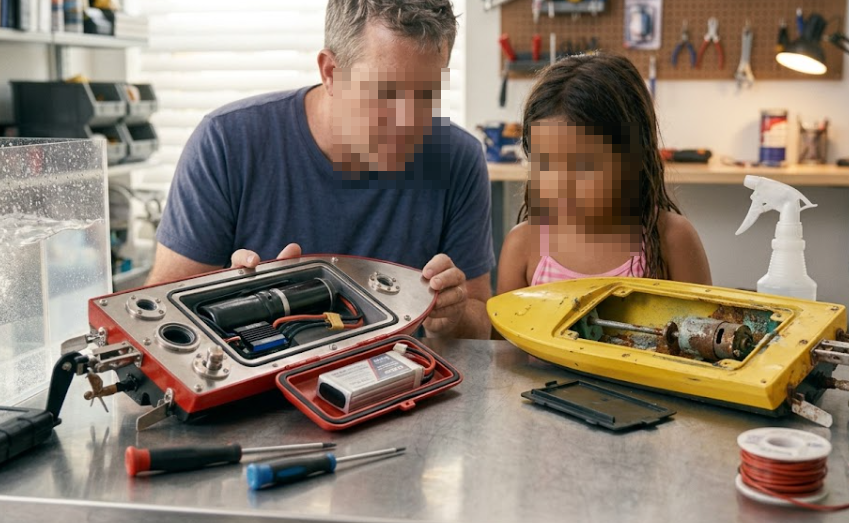
Buying the right boat only solves half the problem. Salt keeps working on your boat long after you’ve packed up and gone home, so a quick rinse under a garden hose the moment you get back matters more than almost any spec on the box. Focus the rinse on the drive shaft, the rudder linkage, and any exposed screws, since those are the first parts to seize. Let everything dry completely before you put the boat away, and give the moving joints a drop of light oil every few trips. It takes five minutes and it’s the difference between a boat that lasts three seasons and one that lasts three trips.
The Real Bottom Line
There’s no such thing as a truly maintenance free saltwater RC boat, no matter what the price tag says. What your money buys you is a smaller maintenance burden and a longer life span before parts start failing. My daughter’s ruined boat cost me forty dollars and one afternoon of watching her disappointed little face. The replacement cost more upfront, but it’s been to the beach a dozen times since and it still runs like new. Sometimes the expensive option really is the cheap one in the long run.