
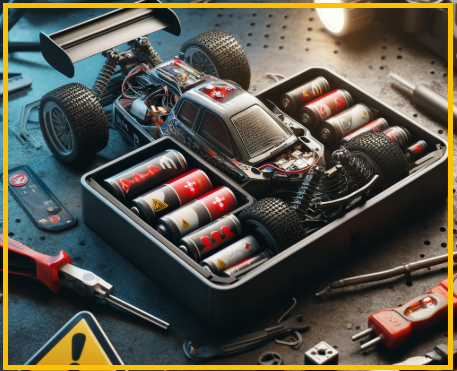
Why RC Car Battery Problems Always Show Up at the Worst Time
The RC car is fully charged, the weather is perfect, and you finally have time to drive.
You pull the trigger… and nothing happens.
I’ve been there more times than I’d like to admit. Early on, I assumed RC car battery problems were mostly a beginner issue. Looking back now, that assumption couldn’t have been more wrong. Battery-related problems show up at every experience level, and they cause more headaches than almost anything else in the hobby.
What makes battery issues tricky is that the battery isn’t always “dead.”
Often, it’s a small detail that gets overlooked until the car refuses to move. In this guide, I’ll break everything down in plain English, based on real use, real mistakes, and fixes that actually work.
[ RC Batteries Explained: The Complete Guide for RC Enthusiasts – EuroRC.com ]
What Causes RC Car Battery Problems?
Batteries Are the Weakest Link
An RC car battery works harder than most people realize. It handles:
- High current draw
- Heat buildup
- Rapid charging and discharging
I also believe many problems start because we treat batteries like accessories instead of core components.
Common Battery Types in RC Cars
NiMH Batteries
NiMH batteries are beginner-friendly and forgiving, but they lose performance over time.
LiPo Batteries
LiPo batteries offer insane power and speed, but they demand respect. In my experience, most serious RC car battery problems come from improper LiPo handling.
For a deeper breakdown of RC electronics and power systems, this guide helped me early on:
👉 RC Car Batteries Explained: NiMH vs LiPo
Most Common RC Car Battery Problems (And Why They Happen)
Battery Drains Too Fast
This is the most common complaint I hear.
Possible causes:
- Old battery cells
- Over-gearing the motor
- Driving style (full throttle all the time hurts battery life)
In my opinion, aggressive driving exposes weak batteries very quickly.
Battery Won’t Charge Fully
Sometimes the charger says “complete,” but runtime is terrible.
This often happens due to:
- Memory effect (NiMH)
- Unbalanced LiPo cells
- Incorrect charger settings
I’ve personally wasted hours thinking a battery was bad, only to realize the charger was set wrong.
RC Car Battery Not Holding a Charge
Age Matters More Than Brand
Even premium batteries degrade. If a battery is over 1–2 years old and heavily used, reduced capacity is normal.
I also think many RC owners underestimate how fast batteries age when stored improperly.
Storage Voltage Issues
LiPo batteries should never be stored fully charged or fully depleted.
If you want to avoid early battery death, this storage guide explains it clearly:
👉 How Do RC Cars Work? Explained for Beginners
Overheating: The Silent Battery Killer
Why Batteries Get Hot
Heat comes from:
- High current draw
- Poor airflow
- Low-quality connectors
In my experience, heat is the number one reason batteries swell or fail suddenly.
Swollen LiPo Batteries
If your LiPo battery looks puffy, stop using it immediately. I know it’s tempting to “just run it once more,” but that’s a bad idea.
I also believe swollen batteries are warnings, not inconveniences.
Charger-Related Problems Most Beginners Miss
Cheap Chargers Cause Expensive Problems
A low-quality charger can:
- Overcharge batteries
- Undercharge cells
- Shorten battery lifespan
In my opinion, a good charger is just as important as the battery itself.
Balance Charging Mistakes
LiPo batteries must be balance charged. Skipping this step causes uneven cells, which leads to poor performance and safety risks.
👉 Why Your RC Car Won’t Turn On (Basic Troubleshooting Guide)
How to Extend RC Car Battery Life
Smart Driving Habits
I also think battery care starts with how you drive:
- Avoid full throttle constantly
- Let the battery cool between runs
- Stop driving when power drops
Proper Storage Techniques
Store batteries:
- At room temperature
- Away from moisture
- At storage voltage (LiPo)
These small habits add months, sometimes years, to battery life.
Troubleshooting RC Car Battery Problems Step-by-Step
Step 1: Check Connections
Loose or dirty connectors cause voltage loss.
Step 2: Inspect the Battery
Look for swelling, cracks, or heat damage.
Step 3: Test with Another Battery
If the problem disappears, you’ve found your culprit.
In my experience, this simple checklist solves most battery-related issues within minutes.
Battery problems are especially frustrating when you’re excited to drive and everything else seems ready to go. A lot of issues end up being blamed on the car, the electronics, or even the brand, when the battery is really where things went wrong.
Over time, I’ve learned that basic battery care is one of the smartest things a beginner can focus on. I’ve replaced motors, ESCs, and even entire chassis, but batteries were what taught me the most lessons.
If I were starting over today, this is one area I’d handle very differently.
FAQ: RC Car Battery Problems Explained
Why does my RC car suddenly lose power?
This usually indicates low voltage cutoff or a degraded battery.
Can I revive a dead RC battery?
NiMH batteries sometimes recover slightly, but dead LiPo batteries should not be revived.
How long should an RC car battery last?
With proper care, most batteries last 150–300 charge cycles.
Is it okay to leave a battery plugged into the car?
No. This slowly drains the battery and can cause damage.