How to Rebind a 2.4GHz Receiver (and What to Check If Range Is Still Short)
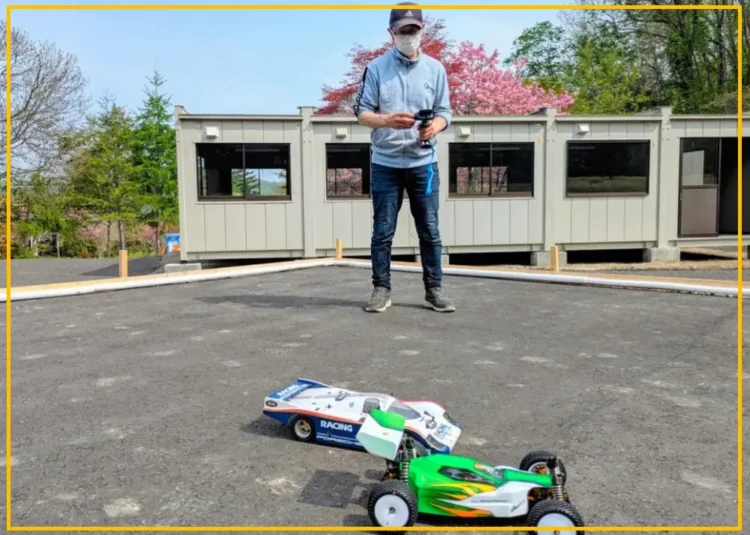
A car that runs fine in the driveway and starts twitching at the end of the street usually gets blamed on the binding. So the receiver gets rebound, the car works again at close range, and the same cutouts come back as soon as it’s a few meters away.
Binding only matches the receiver to your transmitter’s ID. It doesn’t add signal strength, so a rebind on its own won’t bring back lost range. The steps are below, followed by the things that more often explain a short range.
How to Rebind a 2.4GHz Receiver and Transmitter
Start with fresh power
Put new batteries in the transmitter and fully charge the pack that powers the receiver. Binding on weak batteries can leave you with a link that looks fine on the bench and behaves differently outside.
Put the receiver in bind mode
Depending on the brand, there are two ways in. Check your manual, since the details vary by model.
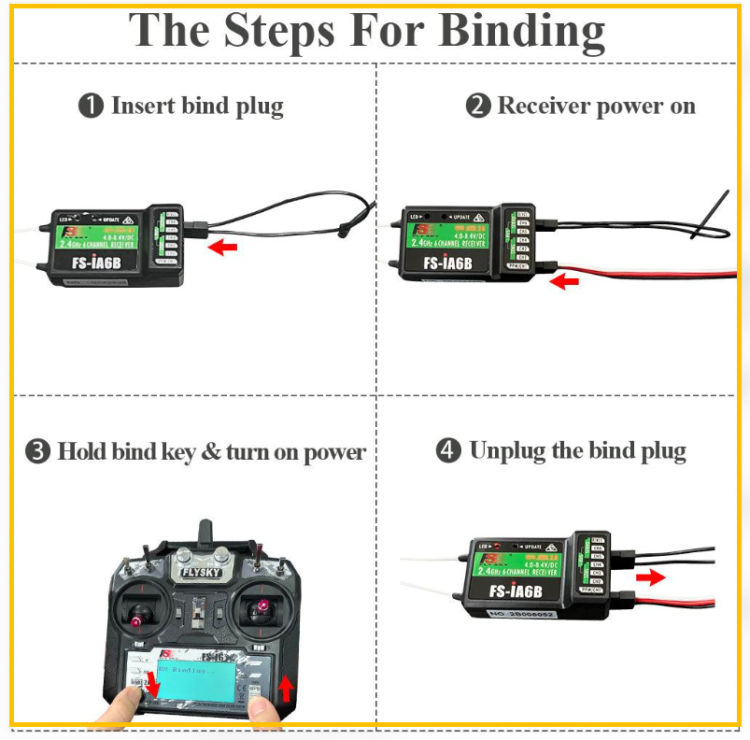
- Bind plug: Insert the plug into the BIND (sometimes B/VCC) port on the receiver, then power it on. The LED should start flashing.
- Bind button: Hold the button on the receiver while powering it on.
Put the transmitter in bind mode
Some transmitters use a bind button held while powering on. Others have a BIND option in the menu. Keep the transmitter about a meter or two from the receiver. When they’re pressed right against each other, binding can fail or act strangely.
Confirm and power down
The receiver LED usually changes from flashing to solid when the link is made. After that, turn the car off, turn the transmitter off, and pull the bind plug if you used one. A plug left in place keeps the receiver in bind mode, so it won’t start normally.
Test it
Turn on the transmitter first, then the car. Check steering and throttle before driving anywhere.
If Range Is Still Short After Rebinding
I’d look at three things before rebinding a third time.
Could the Batteries Be the Problem?
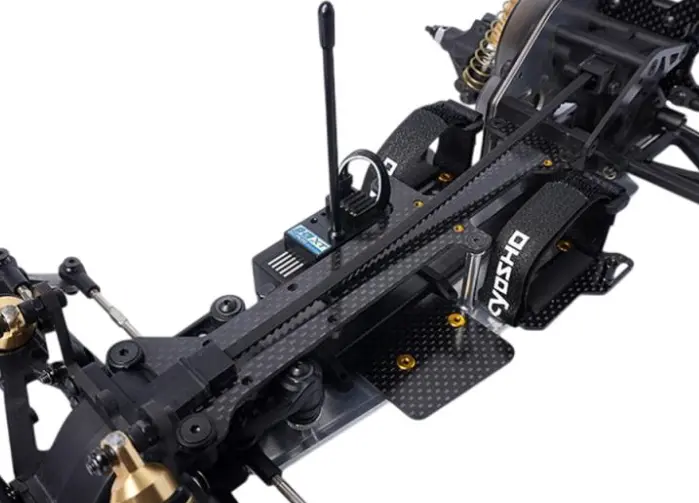
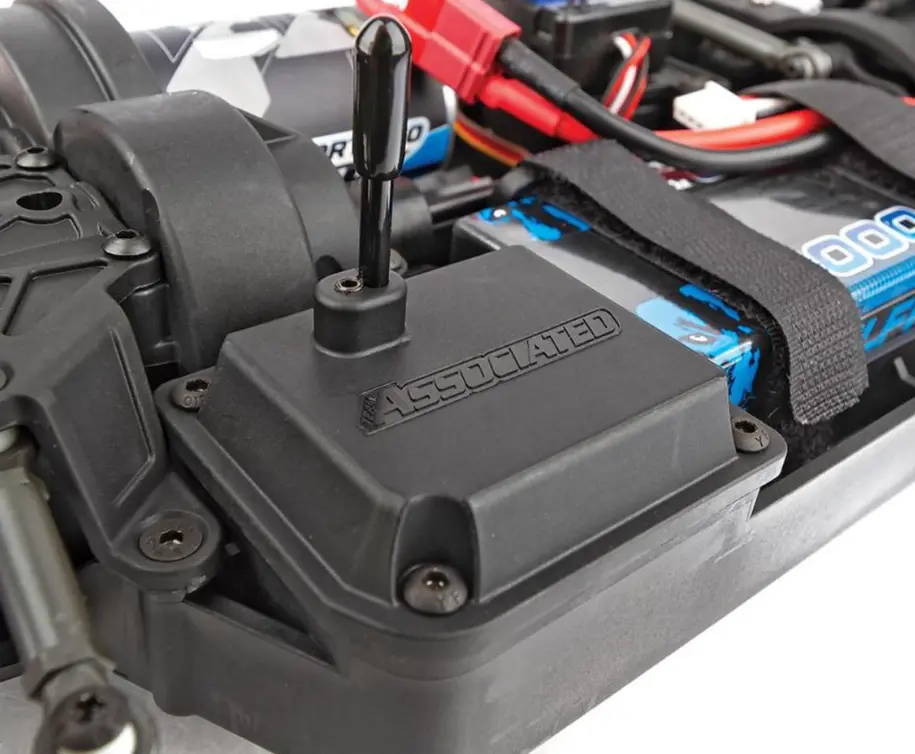
A receiver LED can stay lit on a battery that’s too low for the radio side to work well. A lit LED doesn’t tell you the pack is healthy. Charge or swap both the transmitter batteries and the car’s pack, then test again. On electric cars, the receiver is often powered by the ESC’s BEC, so an unstable BEC output is worth a look as well. The voltage it should supply depends on the ESC, so check its specs.
Is the Antenna Damaged or Badly Placed?
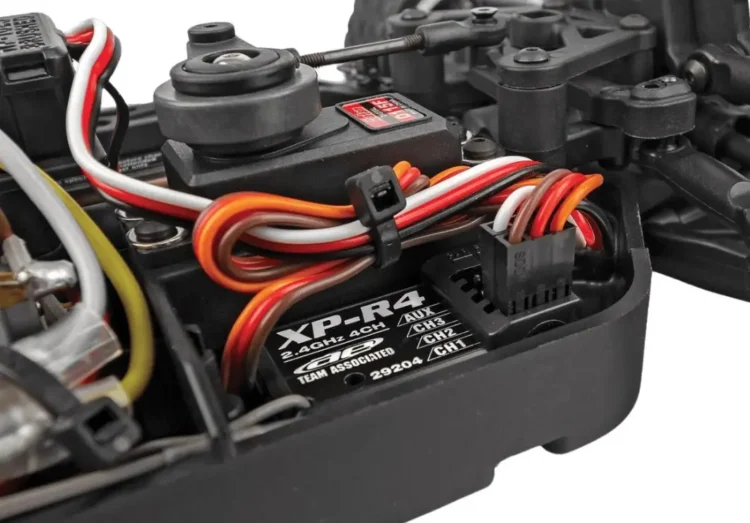
Look at the antenna wire from the receiver. Most 2.4GHz receivers have a coax section and a short bare tip at the end. If the tip has been cut short, kinked, or crushed under a chassis part, range can drop a lot. Don’t trim a wire that looks too long, since the length is part of how it works. If it’s been cut, the receiver probably needs replacing.
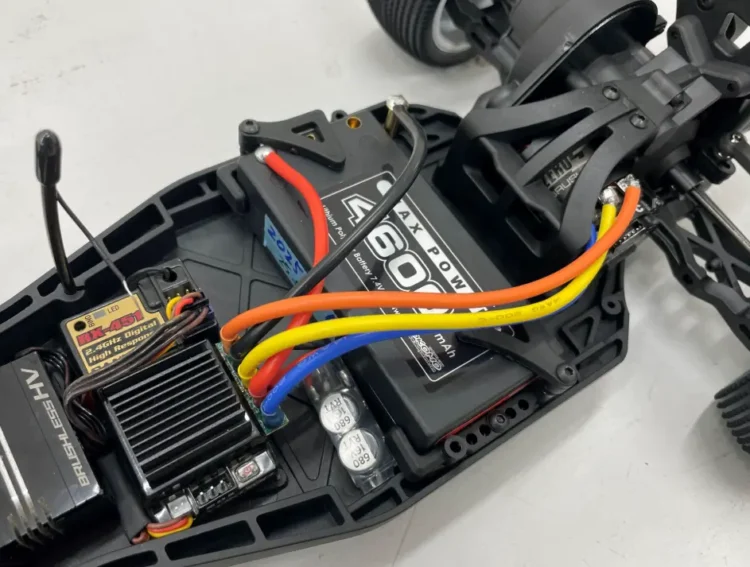
Placement matters too. Carbon fiber, metal tubes and the motor wires can all interfere when the antenna touches or runs along them. Many people mount the antenna tube upright and away from those parts, and if there are two antenna ends, angling them differently from each other is a common recommendation.
Is Something Nearby Interfering?
The 2.4GHz band is shared with Wi-Fi routers, Bluetooth devices and other radios. If the cutouts happen mostly near one spot, such as next to a house with a router, try the same car in a different location. Long motor wiring bundled right next to the receiver can add noise as well.
Do a Range Check Before Driving Far
Many transmitters have a range test mode that lowers output power. With it on, walk away from the car and see how far you can get before control gets patchy. Manuals often mention something around 30 meters for this, but the figure differs between radios, so follow yours. Have someone hold the car off the ground or keep the wheels from turning while you test.
If the range test shows a big drop compared with what the manual describes, go back through the battery and antenna checks before blaming the binding.
Recommended Reading:
👉 RC Car Steering Glitching When Throttle Pulled: What to Check and Fix
👉 RC Car Stutters on Acceleration: What to Check First
👉 Why Is My RC Car ESC Flashing Red and Beeping?
A Couple Things That Aren’t So Obvious
Why does range drop after I rebind successfully?
Rebinding only pairs the two devices. Low voltage, a damaged antenna tip, or wiring too close to the receiver would still cause the same drop afterward.
How can I tell if the antenna is damaged?
Look at the tip. If the bare section is clipped, bent sharply, or squashed by a part of the chassis, that’s a likely suspect. A kink in the coax is worth a closer look too.
Do I need to remove the bind plug before testing?
Yes. With the plug still in, the receiver stays in bind mode instead of starting normally.
If you’ve tried new batteries, a clean antenna layout and a fresh bind and the range is still short, the receiver itself may be the weak link, and it’s one of those parts that’s hard to judge without swapping in another one.