Why My First RC Car Broke in the First Month (What I Learned the Hard Way)
I Thought I Did Everything Right
My first RC car lasted less than a month.
At the time, I honestly thought I had done everything right. I charged the battery properly, avoided major crashes, and always brought the car back inside when I was done driving. When it started acting strange, my first reaction was simple: the car must be defective.
Looking back now, that assumption couldn’t have been more wrong.
The problem wasn’t the RC car. The problem was that I didn’t yet understand how RC cars behave outside of the box, in real conditions, with real use. And I’ve since realized this is exactly why so many beginners walk away from the hobby early, convinced something “just broke.”
The First Mistake: Treating an RC Car Like a Toy
The biggest mistake I made was treating my RC car like a tough toy instead of a mechanical system. I pushed it hard from day one. Full throttle runs, long sessions, no real breaks. It felt fine, so I assumed it was fine.
That’s the trap. Beginner RC cars look durable. They bounce back from small crashes, keep moving after rough landings, and don’t immediately complain. What you don’t see is what’s happening inside. Motors heat up. Gears take stress. Bearings slowly collect dirt.
I never gave the car time to cool down. Not once. At the time, I didn’t even know that was something I should be doing.
Overheating: The Warning Signs I Ignored
The motor getting hot was my first real warning.
I remember touching it and thinking, yeah, that’s warm… but it still runs. So I kept driving.
That was a mistake.
Heat is normal. Excessive heat isn’t. Constant full throttle, heavy terrain, poor airflow — it all stacks up. Over time, the motor and ESC were working harder than they should have been, and I was completely unaware.
Poor Cleaning Habits After Driving
I didn’t clean my RC car. At all.
My logic was simple: it doesn’t look dirty yet. What I didn’t understand was that damage doesn’t wait until dirt is obvious. Fine dust works its way into bearings and gears almost immediately, especially after outdoor runs.
By the time I noticed performance dropping, the damage had already been done. Friction increased, parts heated up faster, and efficiency slowly disappeared.
Battery Mistakes That Added Up Fast
Battery care was another area where I quietly did everything wrong.
I left batteries fully charged for days. Sometimes they stayed inside the car. Other times, I ran them until power dropped off hard and assumed that was normal behavior.
What I didn’t realize is that batteries affect everything. Poor battery habits lead to voltage sag, excess heat, and extra strain on the ESC and motor. The damage doesn’t show up immediately, which makes it easy to ignore.
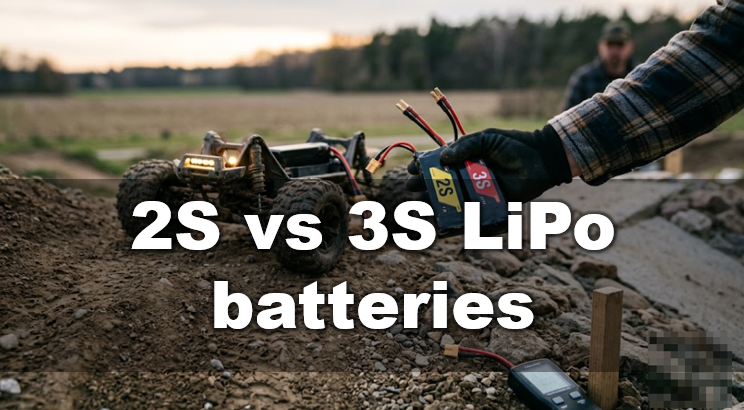
This guide covers the basics I wish I had learned sooner:
Redcat RC Car Battery and Charger Basics Explained
Storage Errors I Never Thought About
Storage was probably the most overlooked issue.
After driving, I would park the car immediately. The battery was still warm. The suspension stayed compressed. Dirt stayed on the chassis. I assumed storage only mattered if the car sat unused for months.
That assumption was wrong.
Even short-term storage habits stack up. Once I changed how I stored my RC car, reliability improved noticeably.
Why the Breakdown Felt Sudden (But Wasn’t)
When the car finally failed, it felt abrupt. One day it ran “fine.” The next day, something clearly wasn’t right.
In reality, the breakdown had been building for weeks. Heat, dirt, battery stress, and poor storage slowly weakened the system. The final failure just happened to be the moment everything crossed a line.
That’s why so many beginners feel blindsided. The damage is quiet.
What I Would Do Differently Today
If I could start over, I’d slow down.
I’d take breaks between runs, clean after every session, and stop before the car forced itself to stop. I’d focus less on speed and more on consistency.
RC cars reward patience. That’s something I learned the expensive way.
How This Experience Changed My Approach
Breaking my first RC car wasn’t a failure. It was a lesson.
Now I approach every run differently. I think about heat, maintenance, and long-term reliability instead of just how fast the car can go. That mindset shift alone has extended the life of every RC car I’ve owned since.
Breaking My First RC Car Was the Best Lesson
Looking back, I’m glad my first RC car failed early. It forced me to learn what actually matters: heat management, cleaning, battery care, and storage.
RC cars don’t usually break because beginners are reckless. They break because beginners aren’t taught what’s important. Once that gap is filled, the hobby becomes far more enjoyable — and far less frustrating.