RC Jet Engine: How Micro Turbines Work, What They Cost, and Where to Start
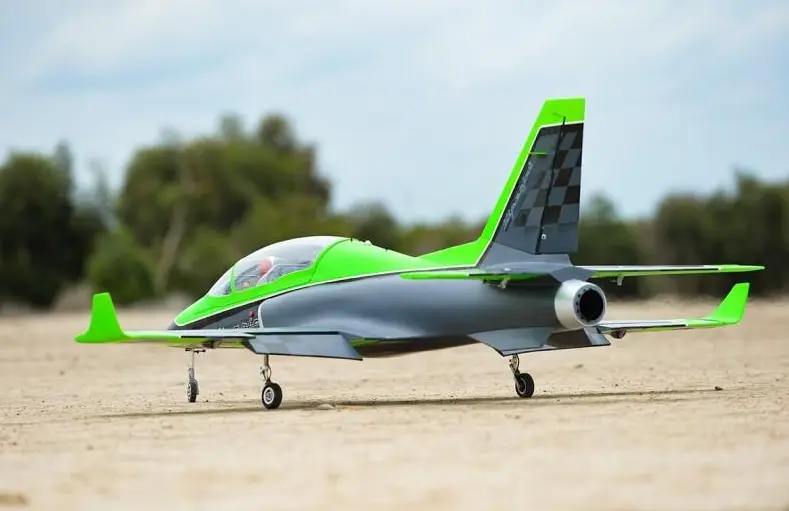
An RC jet engine is a small gas turbine that burns kerosene-type fuel and produces thrust from its exhaust, the same basic way a full-size jet engine does. It is not an electric fan. A turbine alone runs roughly $1,500 to $5,000 or more, and it takes real flying experience to use safely, so most pilots start with an electric ducted fan (EDF) first.
The sections below explain how micro turbines work, how they compare with EDFs, what they cost to operate, and what beginners should know before getting started.
What Is an RC Jet Engine?
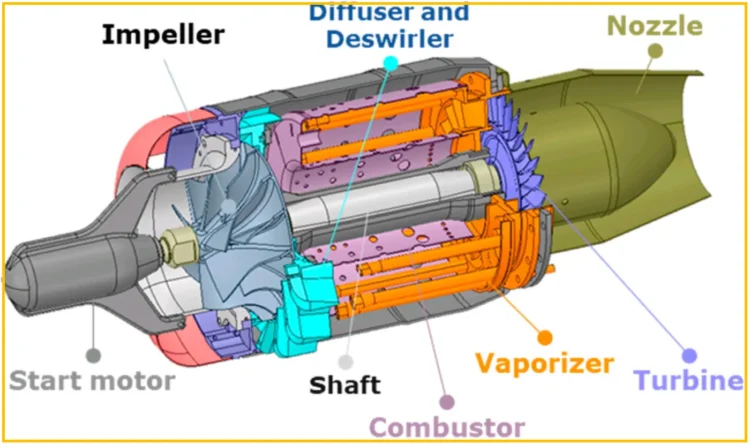
The proper name is a micro turbojet. Inside there is a compressor wheel, a combustion chamber, a turbine wheel and an exhaust nozzle, all on one shaft. There are no pistons and no crankshaft. The engine is a smaller version of what hangs under an airliner’s wing, and it runs on the same kind of fuel.
RC Airplane World’s guide to model jet engines describes them as the top end of the RC hobby, and warns that they are not for novice pilots.
How a Micro Turbine Works
Most model turbines use a centrifugal compressor. The sequence is easier to follow in order:
- Intake. The compressor wheel pulls air in at the front.
- Compression. The wheel squeezes that air and throws it outward into the combustion chamber.
- Combustion. Fuel enters as a fine mist, mixes with the compressed air and burns. A glow plug lights it during startup.
- Exhaust. The hot gas passes over the turbine wheel, which spins the compressor through the shared shaft. The gas then leaves through the nozzle, and that is where the thrust comes from.
Once it is running, the engine keeps itself going. The starter only gets the shaft turning fast enough for the process to begin.
Speed and Thrust Numbers
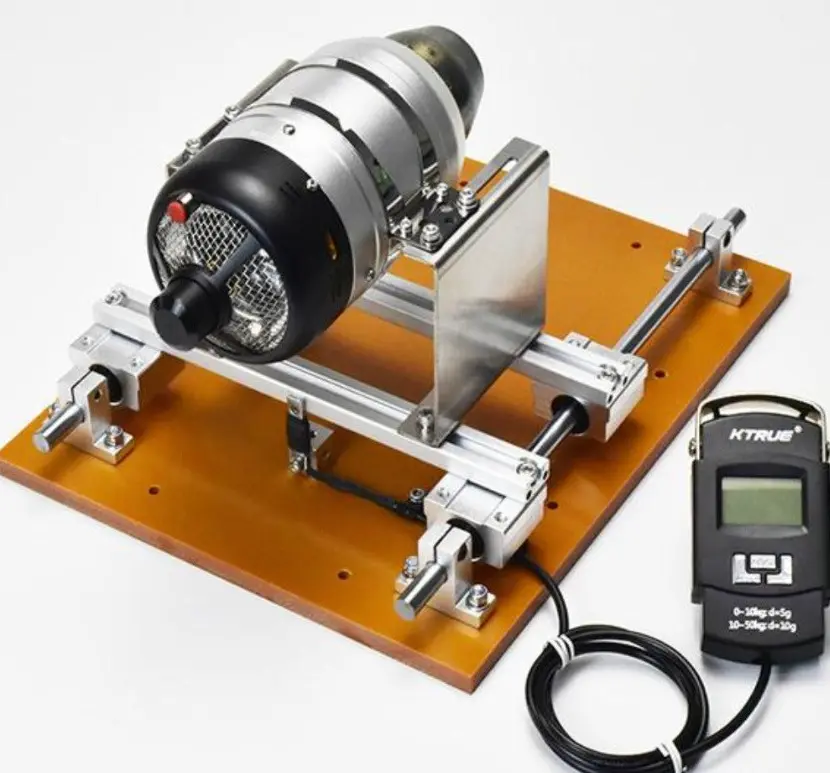
These engines turn very fast. RCexplained puts the range at roughly 117,000 RPM for a large turbine up to about 245,000 RPM for a small one. Depending on the model, thrust can range from around 20 newtons (4.5 lb) to more than 220 newtons (49.5 lb). Some high-thrust turbines weigh less than 2 kg, although weight varies by engine size and design.
The ECU Does the Fuel Management
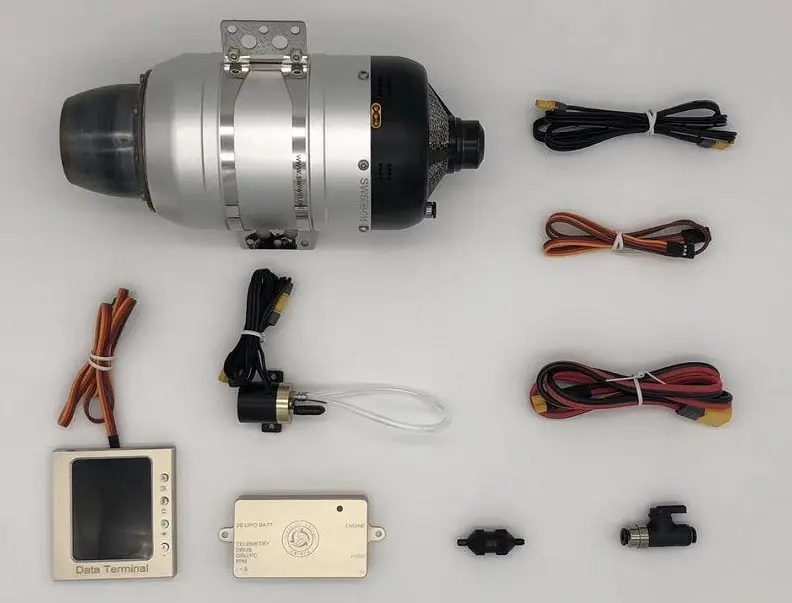
A turbine has an engine control unit (ECU) that runs the start sequence, meters fuel and watches exhaust gas temperature. You move the throttle on your transmitter, but the ECU decides how much fuel actually goes in. Current engines such as the ThrustWing line advertise automatic start and restart, brushless starters and pumps, and telemetry on a handheld data terminal.
If the flame goes out in flight, the engine quits until the ECU can run the start sequence again. RCexplained points to something as small as an air bubble in the fuel line as enough to cause that.
Recommended Reading:
👉 RC Airplane Transmitter and Receiver Explained
👉 Electric vs Nitro RC Cars: What’s the Difference for Beginners?
👉 How Do RC Cars Actually Work Under the Hood
Fuel and Oil
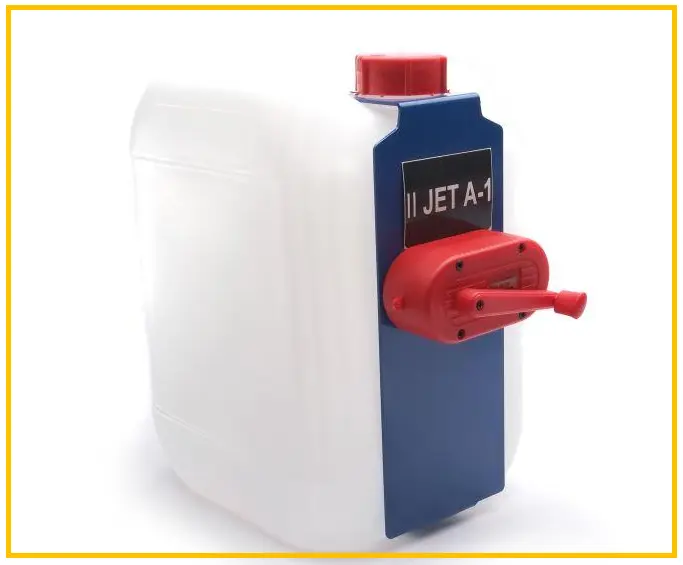
RC turbines burn Jet A, kerosene or sometimes diesel. They do not use nitro or gasoline. Oil is mixed into the fuel to lubricate and cool the bearings.
Always follow the fuel and lubrication specifications for your exact engine model rather than applying a general ratio across different turbines. Check your engine’s manual and follow it, because the bearings are the part that suffers when the mix is wrong.
RC Turbine vs. EDF
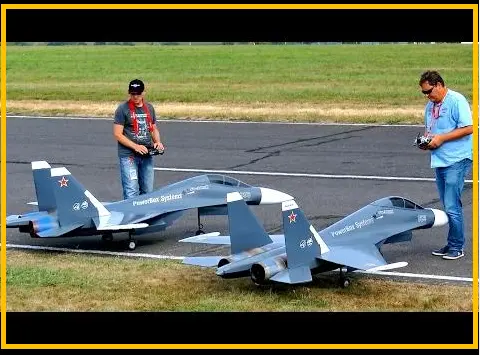
An EDF spins a ducted fan with an electric motor and a LiPo battery. A turbine burns fuel. That one difference drives almost everything in the table below.
| Electric ducted fan (EDF) | Gas turbine | |
|---|---|---|
| Power source | Electric motor, LiPo battery | Kerosene or Jet A with turbine oil |
| Sound | Closer to a whoosh, still electric | Real turbine spool-up and roar |
| Cost | Far lower | Engine alone around $1,500 to $5,000+ |
| Throttle response | Fast | Slower, because the engine has to spool |
| Maintenance | Light | Scheduled service, fuel handling, ECU setup |
| Fire risk | Battery-related | Fuel and flame at startup |
RC Airplane World calls EDFs a stepping stone before true turbines, and they are cheaper, safer and easier to maintain. If you can fly a fast EDF jet well, you have learned most of the speed and energy management a turbine airframe asks for.
Pros and Cons of a True RC Turbine
What you get:
- The sound and smell of a real jet
- A scale look with no visible propeller
- High thrust for the weight of the engine
What it costs you:
- The engine price, plus an airframe, retracts, radio gear and ground equipment
- Fuel handling and a real fire risk
- Scheduled maintenance. JetCat’s warranty paperwork, for example, sets a 25-hour interval for returning the engine for service, and its RX manual recommends replacing the fuel pump after 25 hours of flight. Other makers set their own intervals.
- A crash is expensive
How to Start Safely
Fly an EDF Jet First
Get comfortable with a fast jet that has a short runway margin and little forgiveness for slow reactions. Turbines respond to the throttle more slowly than electrics, so you will want that judgment already built.
Find an Experienced Turbine Pilot
The MAAC Jet Committee’s safety guidelines tell inexperienced operators to get help from an experienced turbine operator before running an engine. They also call for a spotter, a pre-flight inspection of the model, and keeping non-essential people 10 meters away. These are Canadian guidelines. If you fly in the US, check what your club and the AMA require as well.
Set Up Your Ground Equipment
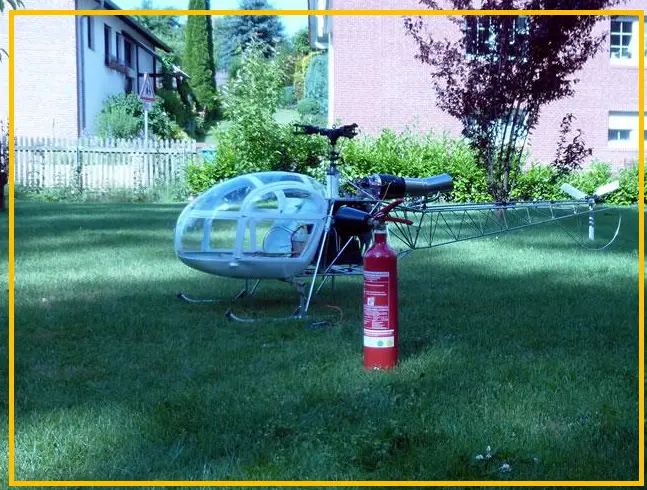
- A CO2 fire extinguisher within reach. The MAAC guidelines call for CO2 or another suitable extinguisher and say not to use powder, and JetCat’s manual recommends CO2 as well.
- A debris screen over the intake. RC Airplane World says a small stone, a loose screw or a blade of grass can wreck the compressor, and recommends a FOD screen. JetCat sells its own “Jet Net.”
- A handheld data terminal for the ECU, plus the fuel pump, fuel and oil mix, and battery for the starter and ECU.
Know What a Hot Start Looks Like
A hot start occurs when the engine temperature rises beyond its permitted limit during startup. A failed start can also leave unburned fuel inside the engine, creating a separate fire hazard. Follow the manufacturer’s shutdown and restart procedures, and never attempt another start until the engine has been checked according to the manual. A flame can shoot out of the exhaust. This is the situation the extinguisher is for. Keep people out of line with the intake and the exhaust, and do not run the engine near anything that can catch fire.
What to Do Next
If you are still deciding, price a complete setup before you buy an engine. The engine is one line item among several. A flight or two on a friend’s turbine jet at a club field will tell you more about the hobby than a spec sheet. If the gear and the fuel handling still sound worth it afterward, an EDF is still the better place to keep practicing in the meantime.
Sources: