Best Drone for Windy Conditions.
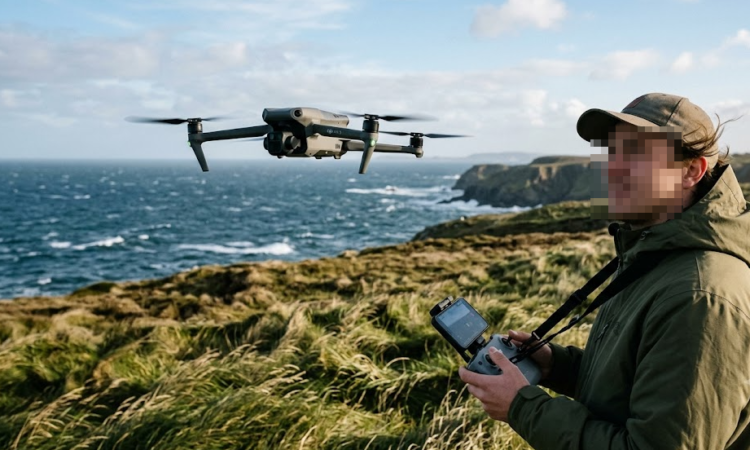
I still remember the first time I tried flying a drone along the coast. The weather looked calm enough, so I figured it would be an easy flight. About two minutes after takeoff, a surprise gust shoved my drone sideways, and for a second I thought I was about to watch a very expensive mistake disappear into the ocean. Ever since then, I’ve paid a lot more attention to wind performance than flashy marketing specs, and honestly, I think every new pilot should do the same.
👉 Wind Resistant Drones – Adorama

Why Wind Changes Everything When Flying a Drone
Most people don’t think much about wind until it ruins a flight.
I know I didn’t.
When I first started flying, I mostly practiced in neighborhood parks where everything felt predictable. The moment I began taking my drone to beaches, mountain overlooks, and wide-open fields, I realized how different the experience could be. What feels like a gentle breeze on the ground can become a completely different story once your drone climbs 100 feet into the air.
That’s exactly why finding the best drone for windy conditions is far more important than chasing the highest camera resolution or the newest features.
A quality drone is constantly making tiny corrections while it’s in the air. Every second, the flight controller is adjusting motor speed to keep the drone hovering where you want it. Better drones simply do this more efficiently because they have stronger motors, smarter software, and better sensors working together.
Cheaper drones can usually stay in the air, but you’ll often notice them drifting, shaking, or burning through battery much faster because they’re working overtime just to hold their position.
I also think this is one of the biggest reasons beginners lose confidence. They assume they’re doing something wrong, when in reality their drone simply isn’t built to handle even moderate wind.
Related Articles
👉 Best Drone for Travel – The One Piece of Gear I Never Leave Home Without

What Makes a Drone Good in Wind?
Weight Matters More Than Most People Think
One of the first things I learned is that lighter isn’t always better.
Sure, lightweight drones are easier to throw in a backpack. They’re also much easier for the wind to toss around.
A heavier drone naturally has more momentum, which helps it stay composed when sudden gusts roll through. That doesn’t mean you need the biggest drone on the market, but there is definitely a reason larger drones often produce smoother footage on breezy days.
Ultra-light drones under 250 grams have come a long way over the last few years. Some of them perform surprisingly well, but you can usually tell when they’re reaching their limit because they begin leaning aggressively just to stay in place.
Watching your drone fight the wind isn’t exactly relaxing.
Strong Motors Make a Huge Difference
When people compare drones online, they usually focus on the camera.
Or the battery.
Maybe the top speed.
Motor power barely gets mentioned, even though it’s one of the biggest reasons certain drones feel so much more stable in real-world conditions.
Strong motors allow the drone to react faster whenever the wind changes direction. Instead of slowly drifting away before correcting itself, a more capable drone responds almost instantly.
Whenever I’m comparing models, I pay attention to things like maximum ascent speed, maximum horizontal speed, and how confidently the drone performs in Sport Mode. Those numbers don’t tell the whole story, but they often give you a pretty good idea of how much power the drone has available when conditions become less than ideal.
GPS Stability Is Your Best Friend
Modern GPS systems do much more than simply remember where your drone took off.
They’re constantly calculating your position while the flight controller makes hundreds of tiny adjustments every second to keep the aircraft steady.
It’s one of those features you barely notice when everything is working well, but you immediately appreciate it when the weather starts changing.
I also believe Return-to-Home becomes even more valuable on windy days. A sudden gust can carry your drone much farther away than you expected, especially if you’re focused on getting the perfect shot instead of watching your distance.
Having a reliable GPS system gives you one less thing to worry about, and that’s never a bad thing.
Related Articles
👉 Indoor vs Outdoor Drones – Which One Should You Buy in 2026?

Best Drone for Windy Conditions
DJI Air 3
For many people, this is the sweet spot.
The DJI Air 3 combines excellent stability, impressive obstacle sensing, and powerful motors that handle moderate coastal winds surprisingly well.
Its larger body compared to mini drones gives it extra confidence in the air without becoming difficult to carry.
DJI Mavic 3 Pro
If budget isn’t a concern, this is one of the most stable consumer drones available today.
The larger frame feels planted in the sky, even when the weather becomes less predictable.
The camera system is incredible, but honestly, what impressed me most was how calm the drone remained during gusty conditions.
DJI Mini 4 Pro
Many people assume a mini drone can’t perform well in wind.
That isn’t entirely true.
The Mini 4 Pro performs much better than its size suggests.
Would I intentionally fly it during strong winds?
Probably not.
But for moderate breezes, it delivers surprisingly stable footage thanks to excellent software stabilization and efficient motors.
Autel EVO Lite+
Autel doesn’t always receive the same attention as DJI, but the EVO Lite+ deserves serious consideration.
Its larger body, capable camera, and strong wind resistance make it a solid alternative for photographers who want something different.
DJI Air 2S
Even though newer models exist, the Air 2S continues to age remarkably well.
Many experienced pilots still recommend it because its overall balance of stability, image quality, and price remains difficult to beat.
If you’re shopping on the used market, this model deserves a closer look.
DJI Mavic 3 Classic
If your main goal is smooth aerial footage, this drone is incredibly reassuring.
The combination of weight, flight controller tuning, and powerful propulsion creates a very stable flying experience.
I also think this model offers one of the best balances between professional image quality and everyday usability.
Autel EVO II Pro
This drone has developed a loyal following among photographers who frequently fly in changing weather.
Its robust design inspires confidence, especially when flying over open landscapes.
DJI Inspire 2
Although it’s no longer aimed at casual hobbyists, the Inspire 2 still demonstrates what true flight stability looks like.
Its larger size naturally resists wind better than compact consumer drones.
Most beginners won’t need something this advanced, but it’s an excellent benchmark for understanding why professional drones perform so well.
Skydio 2+
Skydio built its reputation around autonomous flight and obstacle avoidance.
While it’s not the strongest wind performer on this list, its intelligent navigation system can help maintain smoother flights in environments where trees and structures create unpredictable airflow.
How Much Wind Is Too Much?
This is probably the question I get asked most often.
The honest answer is that it depends on your drone.
Most quality consumer drones perform comfortably in winds around 20 to 25 mph.
Mini drones are generally happier below that range.
Even if your drone is technically capable of handling stronger wind, that doesn’t always mean it’s a good idea.
Flying home against a headwind drains battery much faster than many people expect.
I also think one of the smartest habits is checking both ground-level wind and higher-altitude forecasts before every flight. Conditions often change dramatically just a few hundred feet above where you’re standing.
Simple Tips That Have Saved Me More Than Once
Over time, I’ve developed a few habits that have prevented several stressful situations.
I avoid flying with a nearly empty battery because stronger winds always increase power consumption.
I try to fly into the wind during the first half of the flight so the return trip becomes easier.
I also keep the drone closer than usual whenever gusts become unpredictable.
One lesson I learned the hard way is that confidence can disappear much faster than battery percentage.

Choosing the Right Drone Is Better Than Chasing Specifications
When you’re shopping for a new drone, it’s easy to get caught up in camera resolution, flight time, or top speed.
Those specs definitely matter.
But in my opinion, predictable handling matters even more.
A drone that stays calm and stable lets you enjoy the experience instead of constantly wondering if the next gust of wind is about to ruin your shot.
I also believe a lot of people spend hundreds of extra dollars chasing a better camera when what they really needed from the start was a drone with stronger flight stability.
If you’d like to learn more about drones and improve your flying skills, check out the guide below.
👉 How to Shoot Stunning Night Drone Footage
After flying in parks, beaches, mountains, and wide-open fields, I’ve learned that wind is one variable you’ll never completely control. What you can control is choosing a drone that gives you enough confidence to enjoy the experience instead of constantly fighting the weather.
In my opinion, the best drone for windy conditions is the one that matches where you actually fly, not just the one with the flashiest advertisement. Spend a little more on flight stability if your budget allows. Months later, you probably won’t remember the extra money, but you’ll definitely remember the flights that ended with smooth footage instead of unnecessary stress.