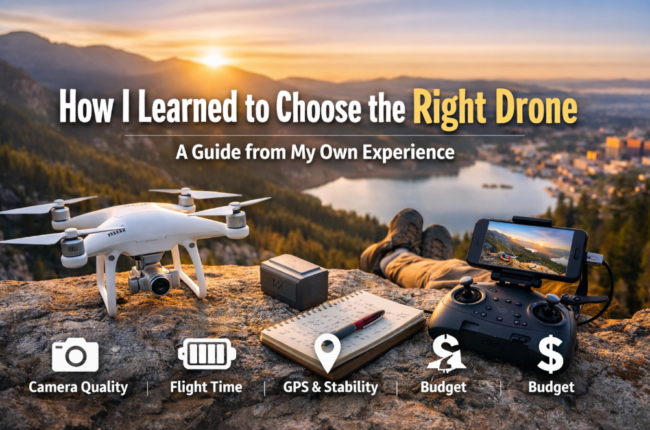
How I Learned to Choose the Right Drone (After Buying the Wrong One First)
The Honest Truth About Buying Your First Drone
Buying your first drone feels exciting.
You start watching YouTube videos, reading reviews, and suddenly every drone looks amazing. That’s exactly what happened to me.
And honestly? I made the same mistake most beginners make.
I bought a drone because it looked cool, not because it actually matched how I planned to use it.
The result?
I flew it twice.
After that it mostly sat on a shelf collecting dust.
Over time I realized something simple that many beginners overlook:
The best drone isn’t the one with the most features.
It’s the one that fits what you actually want to do.
Once I understood that, choosing drones became much easier.
If you’re completely new to drones, I’d also recommend checking out this guide I wrote earlier on
👉 Best Drones for Beginners (Easy to Fly in 2026)
That article covers specific models, while this guide focuses on how to choose the right drone in the first place.
Step 1: Decide What You Actually Want to Do With a Drone
This might sound obvious, but most people skip this step.
Before looking at brands or specs, ask yourself one simple question:
“Why do I want a drone?”
Your answer determines everything.
1. Just Flying for Fun
If you simply want to learn to fly and enjoy the experience, you don’t need a complicated drone.
A lightweight beginner drone is usually the best place to start.
These drones are:
- Easier to control
- Less stressful to learn with
- Much cheaper if something goes wrong
When I first started flying, I realized pretty quickly that simple drones make the learning process way more enjoyable.
Trying to learn on a complicated drone can feel overwhelming.
2. Aerial Photography or Travel Videos
If your goal is photography or video, the camera matters a lot more.
Look for drones that include:
- 4K video recording
- 3-axis gimbal stabilization
- Reliable GPS positioning
- Decent low-light performance
This is where many travel bloggers and creators end up.
Once you see what a drone can capture from the sky, it’s hard not to want better footage.
3. Professional or Commercial Work
For advanced users, reliability becomes the priority.
Professional drones typically include:
- Longer flight times
- Advanced obstacle sensors
- Larger camera sensors
- More precise GPS systems
These drones can be amazing tools, but they’re also expensive. If you’re just flying for fun, they’re usually overkill.
The Drone Features That Actually Matter
Drone marketing pages list dozens of specifications.
Most of them don’t matter for everyday users.
From my experience, these are the features that actually make a difference.
Flight Time
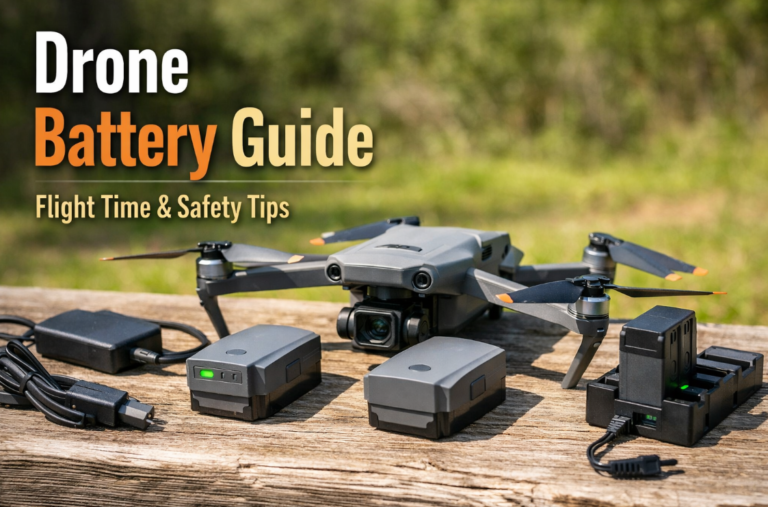
Battery life is one of the biggest surprises for new drone owners.
Most drones advertise 20–30 minutes of flight time.
But in real conditions — wind, movement, camera usage — you’ll usually get less.
My first drone barely lasted 12 minutes.
That was frustrating.
Now I always recommend choosing a drone with at least 25 minutes of advertised flight time.
Also, buy extra batteries. Trust me on this one.
Camera Quality
Drone cameras vary more than people expect.
Entry-level drones usually have small sensors that work fine in bright sunlight but struggle in cloudy conditions.
Higher-end drones include:
- Larger sensors
- Better dynamic range
- Improved stabilization
If photos or video are important to you, this is one feature worth spending money on.
GPS Stability
This is one feature beginners often underestimate.
A drone with GPS can hover in place automatically.
Without GPS, the drone drifts constantly and requires continuous correction.
The first time I flew a GPS drone, it felt like night and day compared to cheaper models.
If you’re buying your first drone, GPS is almost non-negotiable.
Obstacle Avoidance
Some drones include sensors that detect obstacles like trees or buildings.
These systems can help prevent crashes, especially when flying in complicated environments.
That said, they’re not magic.
You still need to fly carefully.
Think of obstacle sensors as a safety net, not autopilot.
How Much Should You Spend on a Drone?
Budget plays a huge role in choosing the right drone.
Here’s a rough breakdown based on what I’ve seen.
Under $200
These drones are great for:
- Learning controls
- Practicing basic flying
- Casual weekend fun
The downside is that camera quality and stability are limited.
But they’re inexpensive and low-risk for beginners.
$300 – $700 (The Sweet Spot)
In my opinion, this is where most people should start.
Drones in this range usually include:
- Solid camera quality
- GPS stabilization
- Reliable flight performance
- Good battery life
For hobbyists, travel creators, and casual photographers, this price range often delivers the best value overall.
$800 and Above
Premium drones are built for serious use.
You’ll typically get:
- Larger camera sensors
- Advanced obstacle detection
- Longer flight range
- Professional flight modes
They’re impressive machines, but many casual users don’t need this level of performance.
Beginner Mistakes I Wish Someone Told Me About
Looking back, there are a few mistakes I see beginners make all the time.
I made most of them myself.
Buying the Cheapest Drone Possible
Cheap drones often look appealing.
But many of them are unstable, difficult to control, and have poor cameras.
That leads to frustration very quickly.
Not Buying Extra Batteries
One battery is never enough.
After about 20 minutes of flying, you’re done.
Extra batteries dramatically improve the experience.
Learning in a Tight Space
Your first flights should always be in an open area.
Fields and empty parks are ideal.
Trees, buildings, and power lines are the enemies of beginner pilots.
The Right Drone Makes the Whole Experience Better
Choosing the right drone isn’t about buying the most expensive model.
It’s about finding the drone that fits:
- Your goals
- Your experience level
- Your budget
Once you do that, everything becomes easier.
The learning curve feels smoother, flying becomes more enjoyable, and you’ll actually want to keep using it.
If you’re just getting started, you might also enjoy reading my guide on
👉 Best Drones for Beginners (Easy to Fly in 2026)
It goes deeper into beginner-friendly models that are easy to learn with.
And honestly, that first smooth flight where everything finally clicks?
That moment never gets old.