
I Finally Took an Off-Road Scooter Off Pavement — Here’s What Surprised Me
I didn’t buy an off-road scooter because I suddenly got interested in serious trail riding.
It was actually much less exciting than that.
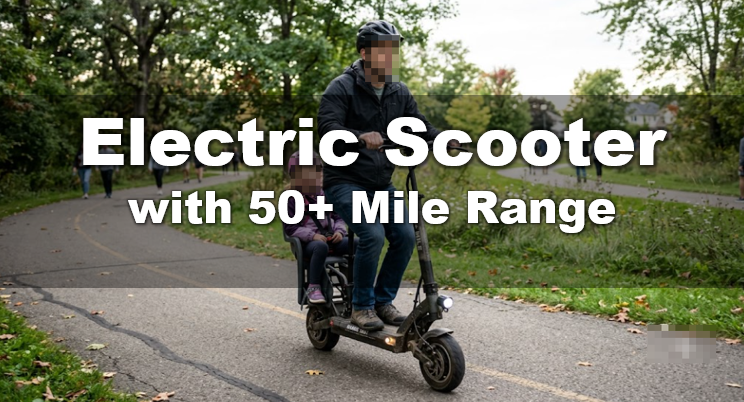
My six-year-old daughter got bored with the paved path near our house. Every time we passed one of the dirt trails, she’d point at it and ask why we couldn’t go that way. After hearing that enough times, I figured I’d find a scooter that could handle a little gravel and dirt without completely falling apart.
I thought it would basically be my old commuter scooter with bigger tires.
I was wrong.
After the first few rides, I started noticing things I hadn’t really thought about before. Tire pressure mattered. Suspension travel mattered. Ground clearance mattered more than I expected. Even the way the motor delivered power felt different once the pavement disappeared.
And honestly, some of the things I thought would matter most didn’t matter nearly as much as I expected.

The Things I Thought Would Matter Most
Before buying mine, I had a pretty simple checklist in my head: bigger tires, more motor power, and enough suspension to soak up bumps.
That wasn’t completely wrong. But after actually riding the thing on gravel and dirt, I would rank those things very differently now.
The Tires Made the Biggest Difference
I honestly didn’t expect the tires to make that much difference. I figured suspension would be doing most of the work.
Turns out, I had that backwards.
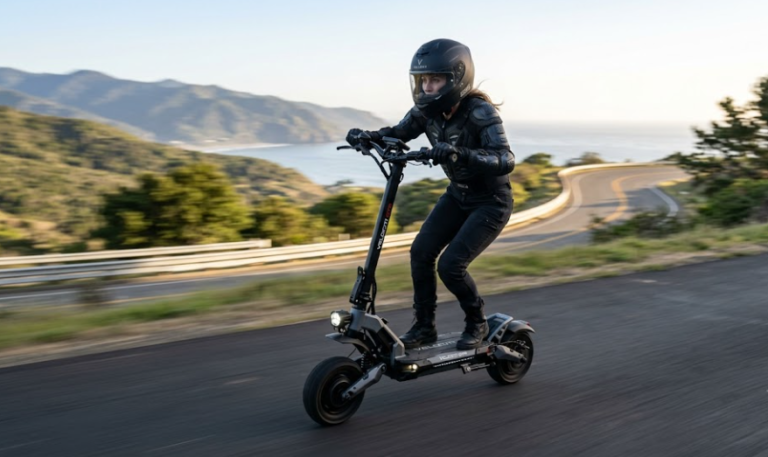
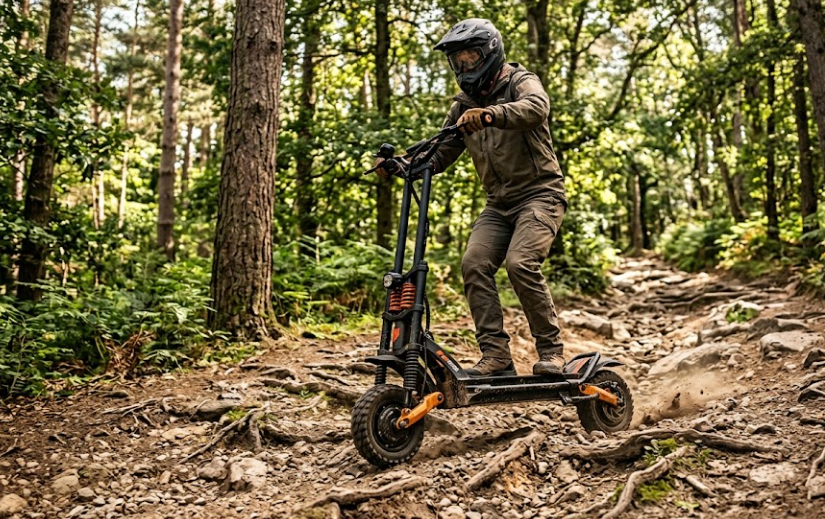
The first time I took the scooter onto a patch of loose gravel, the difference from my old commuter scooter was pretty obvious. The pneumatic, knobby tires soaked up the smaller rocks and roots in a way that my old solid tires simply couldn’t.
I had always thought the bigger tires were mostly there to make an off-road scooter look tougher. After riding one for a while, I don’t think that anymore.
They’re probably the biggest reason the scooter feels so much more comfortable once you leave smooth pavement.
Power mattered, but not in the way I thought
This one I was sure was true, and it turned out to be only half right. Power matters, sure, but torque matters more, and those aren’t the same thing. My scooter isn’t the most powerful one on the market, not even close, but it has enough low-end torque to climb a loose dirt incline without stalling out or spinning the rear wheel uselessly. I’ve seen scooters with bigger numbers on the spec sheet struggle on the exact same hill mine handled without complaint. Chasing top speed numbers is a trap. Chasing torque and gearing is where the real capability lives.
Yes, it’s heavy. No, I didn’t stop using it
I fully expected to hate hauling this thing around, and I was wrong about that too, though not completely. Yes, it’s heavier than a folding commuter scooter, there’s no getting around the added weight from bigger tires and reinforced suspension. But “impractical” was the wrong word. I still fold it into my trunk, still carry it up two flights of stairs when I need to, and the extra ten or so pounds stopped bothering me after the first week. The tradeoff felt fair once I stopped comparing it to something it was never designed to be.
What Actually Matters When You’re Off-Road Scooter Shopping
Once I got past my own assumptions, a few things became obvious pretty fast.
Suspension Travel Beats Suspension Marketing
I didn’t pay much attention to travel numbers when I bought mine. I saw “dual suspension” and basically checked that box.
After a few rides, I started looking at the numbers more closely. That’s when I realized why two scooters with “dual suspension” can feel completely different.
Every listing claims “dual suspension” like it’s some rare feature, but the actual travel distance is what determines whether you feel the bump or just hear it. Look for real numbers, not just the word “suspension” slapped on the description.
Battery Behavior Changes Completely Off-Pavement
Rough terrain drains a battery faster than flat pavement ever will, and this caught me off guard the first time I took mine out. I actually wrote more about this after I noticed how different my real-world range was from the numbers on paper. Here’s what I learned about battery capacity and range.. Off-road use accelerates that same drop, sometimes dramatically.
Ground Clearance Is the Quiet Dealbreaker
Nobody talks about this enough. A scooter with great tires but low ground clearance will still scrape and bottom out on uneven trails. I learned this the hard way on a root-covered path that my daughter thought was hilarious and I did not.
Who an Off-Road Scooter Actually Makes Sense For
If your rides are strictly paved sidewalks and bike lanes, you’re paying for capability you’ll never use, plain and simple. But if your neighborhood has any dirt paths, gravel shortcuts, or unpaved parks like mine does, the difference becomes obvious within the first ride. I’d actually put this in a similar category to what I covered when I looked at scooters built for heavier riders and rougher use, since both situations demand a chassis and motor that can handle more than average, just for different reasons.
So, Would I Buy It Again?
Would I go back to my old commuter scooter? Probably not.
I still use it when I’m staying on pavement, but whenever I know we’re heading toward gravel or dirt, I take the off-road one. Mine has survived gravel trails, one memorable mud incident, and I’ve probably answered the same question about the tires twenty times by now.