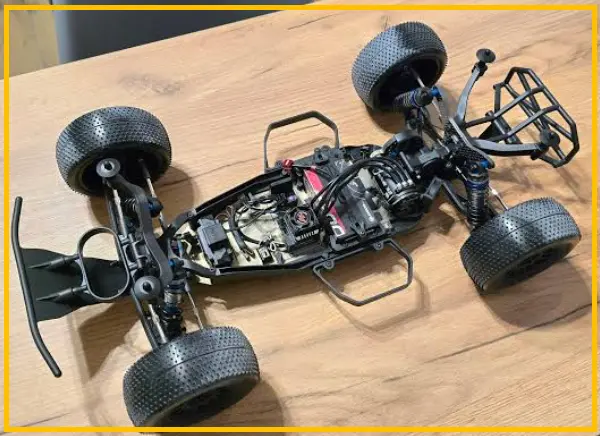
RC Car Traction Roll on Carpet: How to Stop It
RC car traction roll happens when your tires grip the carpet so hard that the car tips over instead of sliding. A common first adjustment for traction roll on carpet is to apply a thin layer of CA glue to the outer sidewalls of the front tires. If that isn’t enough, stiffer sway bars, a higher front roll center, and a lower ride height are the next things to try.
Why Does an RC Car Flip on Carpet?
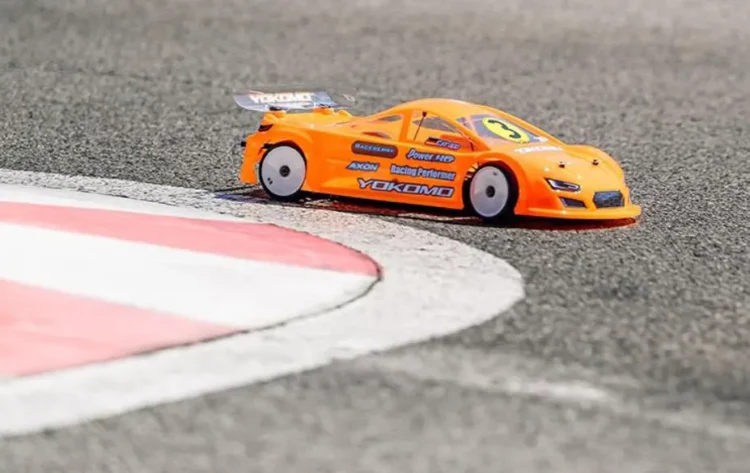
On a low-grip surface, the tires give up and the car slides. On a high-grip carpet track, the tires hold, so the sideways force of the corner has nowhere to go except into the chassis. The car leans onto its outside wheels, and if the lean goes far enough, it rolls over.
Three things push a car toward this: a lot of grip, a high center of gravity, and a chassis that leans easily. Because roll stiffness is part of the problem, a soft suspension makes it worse on carpet, as racers on the R/C Tech forums point out when they suggest stiffening the chassis and suspension first.
A flip on corner entry and a flip on corner exit can have different causes, so watch where in the corner it happens before you change anything. Slowing the car down and building speed back up lap by lap is a good way to find the point where it starts to lose traction.
Start With the Front Tires
Gluing the Front Sidewalls
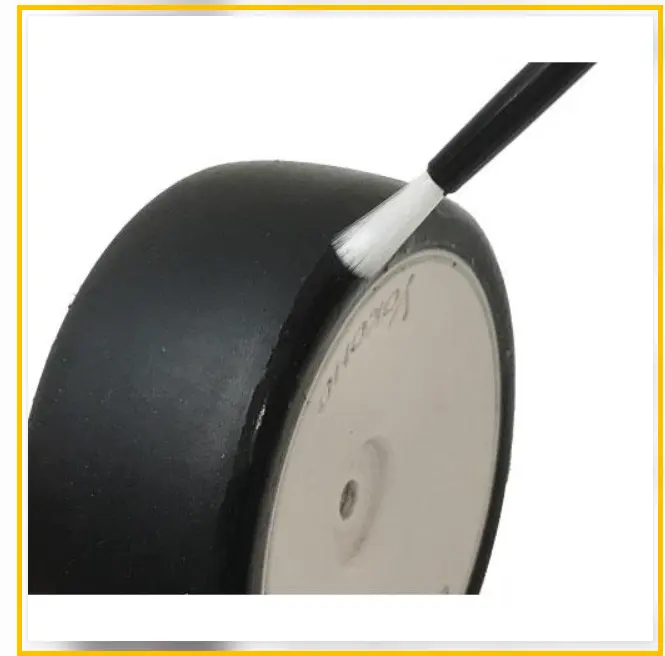
Racers on carpet often put thin CA (super glue) on the outer sidewall of the front tires. The glue stiffens the sidewall so the tire doesn’t fold under and bite as hard when the car leans. Only the front tires get glue, and only on the outside edge facing away from the car. Tire makers sell trace kits that mark a consistent glue line on touring car tires, and LiveRC’s write-up of one such kit describes the glue as a way to prevent grip rolling on carpet.
How far the glue goes depends on the tire, the car, and the track. One approach from the forums is to mount the tire, load a cotton swab with thin CA, and coat the sidewall while the tire spins, stopping a couple of millimeters short of the tread surface. If the car still rolls, you add more glue toward the tread. A rule-set tire at one club called for glue on the whole outer sidewall plus roughly half of the outer tread block, so there isn’t one correct amount.
Glue doesn’t come off, and too much of it costs steering response on corner entry. Add a little at a time, and run the car between applications.
Traction Compound on the Front Tires
Tire additive changes how much the front tires grip. Putting less on the front, or leaving part of the tread bare, can cut entry grip and calm a car that rolls on turn-in. Some tracks restrict which additives are allowed, so check the local rules before you change what you apply.
Chassis Changes If Gluing Isn’t Enough
Change one thing at a time here. Several adjustments at once make it hard to tell which one helped.
Thicker Sway Bars
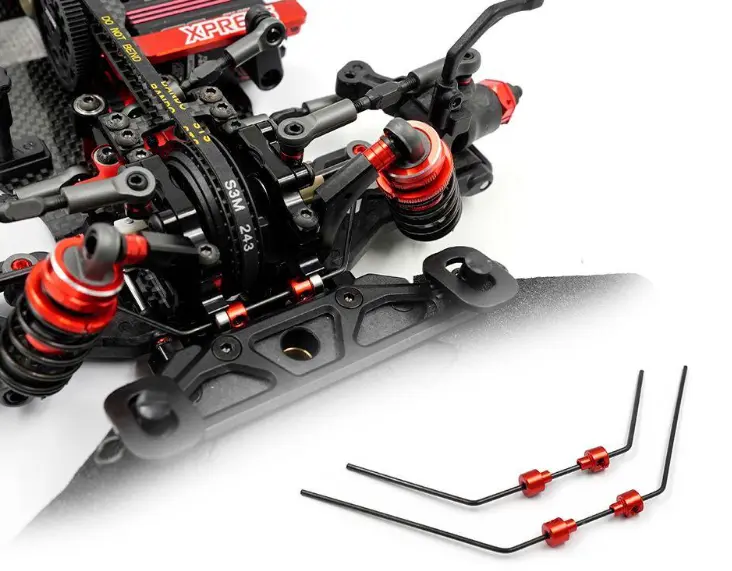
A thicker anti-roll bar resists body lean directly. Increase sway bar stiffness in small increments, checking front-to-rear handling balance after each change. Adjusting both ends by the same step does not necessarily preserve the original balance. One Tekno forum poster suggested going up in small increments, since bars are cheap and each step only makes a modest change. A very thin rear bar can let the inside rear wheel lift in tight corners, which can make a flipping car even more unsettled.
Springs and Damping
If the springs are on the soft side for a high-grip track, going firmer reduces lean. The cost is less mechanical grip, which on carpet is rarely the thing you’re short of. Treat spring changes the same way as sway bar changes: small steps, one at a time.
Front Roll Center
Raising the front roll center can reduce chassis roll, depending on the suspension geometry. It also changes the way lateral loads are transferred, so check your chassis manual and test the change in small steps. On many cars this is done with a longer or differently mounted link or by adjusting the arm mounts, so the exact method depends on your chassis. Check the manual or a setup sheet for your model rather than guessing, because a wrong change here can alter the handling a lot. The forum thread above summarizes the general direction as a higher roll center for higher-bite conditions.
Ride Height
Lowering the ride height lowers the center of gravity, which reduces the leverage the corner has on the car. Stop before the chassis starts scraping or slapping the track, since that will upset the car more than the roll did. The ride height that suits you varies by class and car, so use your kit manual’s range rather than a fixed number from another model.
Some racers also widen the front track width slightly with thin spacers behind the wheel hex, which makes the car harder to tip. This changes steering behavior, so test it after the glue and sway bar changes rather than first.
You might also like:
- RC Car Steering Glitching When Throttle Pulled: What to Check and Fix
- 2S vs 3S LiPo battery – What’s the Real Difference?
- Buggy vs Truggy RC Car – Which One Actually Wins Backyard Battles?
Driving and Transmitter Settings
A big, sudden steering input throws weight onto the outside tires quickly. Easing into the corner can help, and a small reduction in steering dual rate or a bit of expo on the transmitter may soften the initial turn-in. Smooth throttle through the corner matters too, since lifting abruptly mid-corner shifts weight forward and can tip the car.
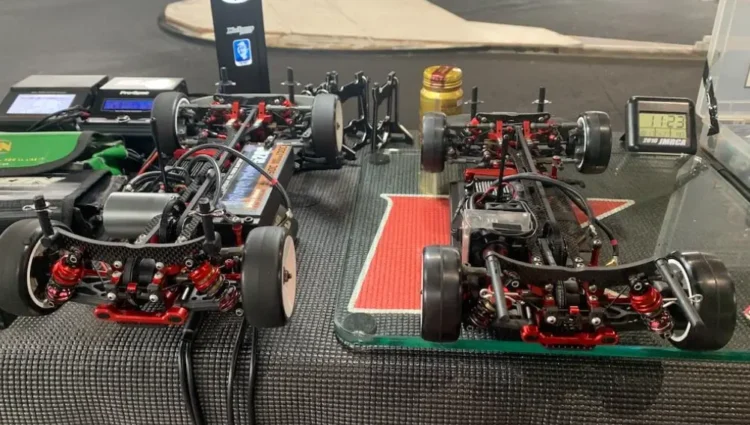
Putting the Order Together
A practical troubleshooting order is to start with small, targeted adjustments before moving on to chassis geometry changes:
- Add a thin layer of CA to the outer front sidewalls.
- Check how much additive is on the front tires.
- Step up the front and rear sway bars together.
- Lower the ride height without letting the chassis scrape.
- Raise the front roll center if your chassis allows it.
Each of these gives up a little steering or grip, so the aim is to stop at the point where the car stays flat and still turns in. Glue is the only one on that list you can’t undo, which is a good reason to keep a spare set of tires with no glue on them for when the track changes.