RC Car Pulling to One Side Under Braking: What to Check
If your RC car pulls to one side under braking but tracks straight under power, the cause is usually an imbalance somewhere in the car. Braking shifts weight onto the front wheels, and that load makes small imbalances in the bearings, shocks, steering, or chassis show up. Turning the steering trim on your transmitter won’t fix it, so the work is mechanical.
Below is the order I’d go through, starting with the checks that take the least time.
Why It Only Happens When You Brake
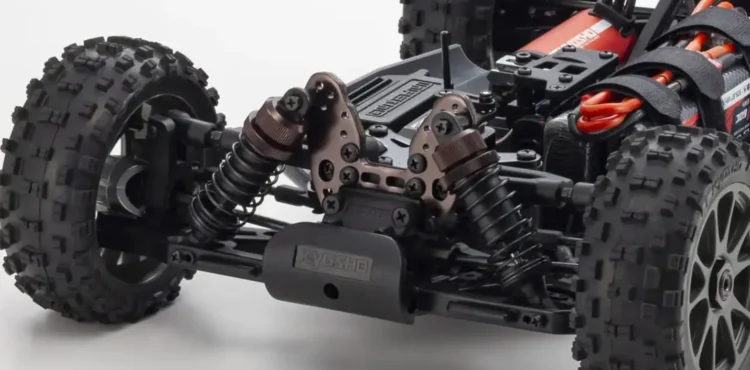
Under acceleration, weight transfers toward the rear. When you brake, weight transfers forward, increasing the load on the front wheels. One forum poster whose T-Maxx pulled left only under braking got this same reply: because weight is on the front when braking and on the rear when accelerating, start with the front end alignment.
So a car can look and drive fine until the front end gets loaded. That’s why the cause is often something that seemed unimportant while the car was rolling or accelerating.
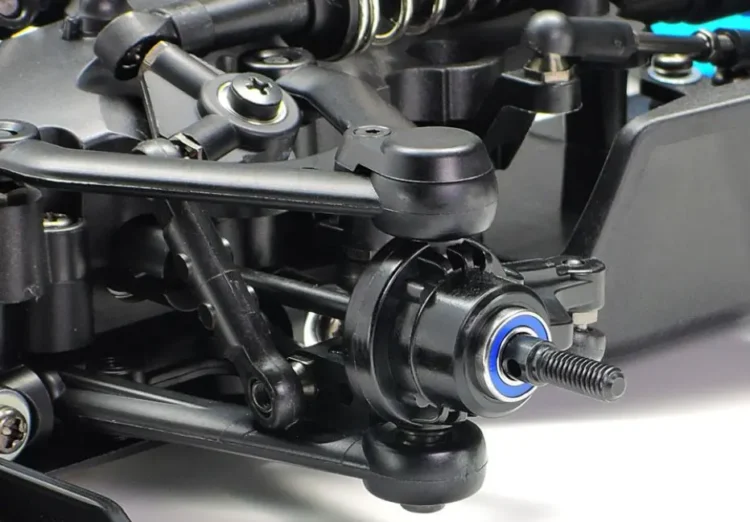
Check for Drivetrain Drag and Worn Bearings
Lift the car so all four wheels are off the ground and spin each wheel by hand. Compare left to right. A dirty or dry wheel bearing, or a binding driveshaft, adds drag to one side. That added drag can contribute to uneven deceleration, although a binding component does not always cause the car to pull under braking.
Take the wheels off if you can, and check whether the drivetrain turns as freely on one side as the other. A gritty or notchy feel usually points to a bearing that needs cleaning or replacing. A forum reply on a TC6 touring car with a similar pull listed a seized bearing on one side to poor setup as possible causes, which fits.
This check applies to 2WD and 4WD cars alike.
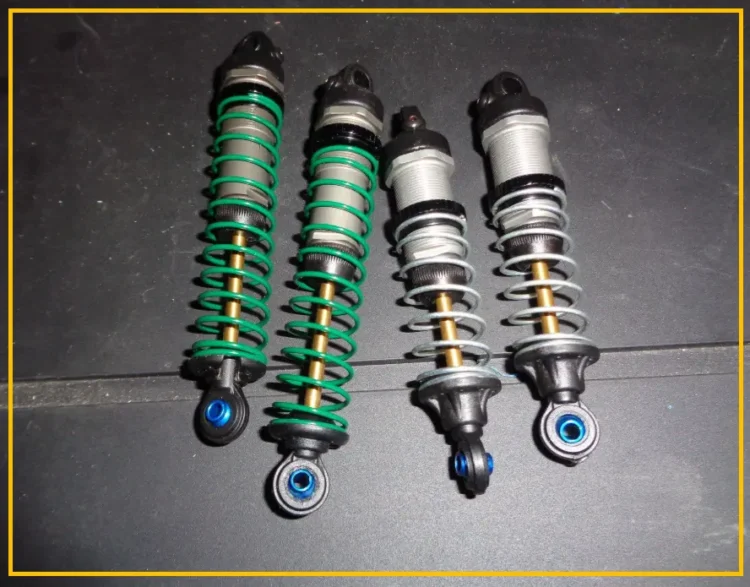
Compare the Left and Right Shocks
Differences in spring preload, shock damping, or shock length can affect how the suspension responds under braking. Depending on the setup, one front tire may lose grip before the other.
Pull the shocks off and compare them as a pair:
- Same shock length and the same preload ring position on both sides
- Same oil weight, with no leaking or low oil on either shock
- Same rebound, meaning they extend at about the same speed when you compress and release them
A shock that’s slightly different from its partner is easy to miss, because it won’t change how the car feels on a straight run.
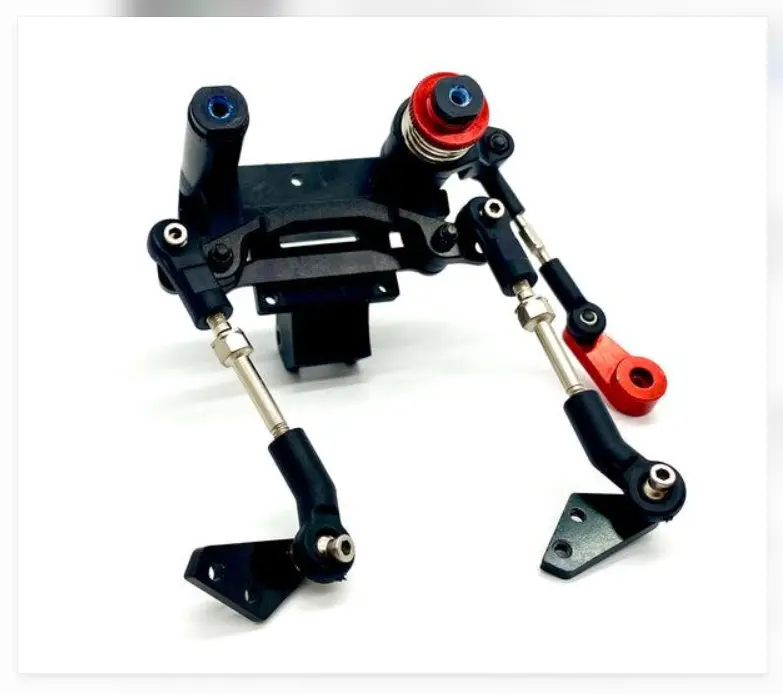
Look for Slop in the Steering
Grab each front wheel and wiggle it side to side. Any play at the servo saver, the turnbuckles, or the ball ends lets the wheel move on its own when braking load hits the front end, with no input from you.
Two spots deserve a closer look:
- Servo saver: if the spring is loose or the saver slips, the front wheels can twist when the load increases.
- Turnbuckle ends and pivot balls: worn sockets let a wheel toe in or out under load.
It’s also worth confirming that steering travel is the same left and right. One RC setup guide says uneven steering throw can cause the car to pull slightly under throttle or braking. Turn the wheel fully each way and compare the angles by eye. A setup gauge helps if you have one.
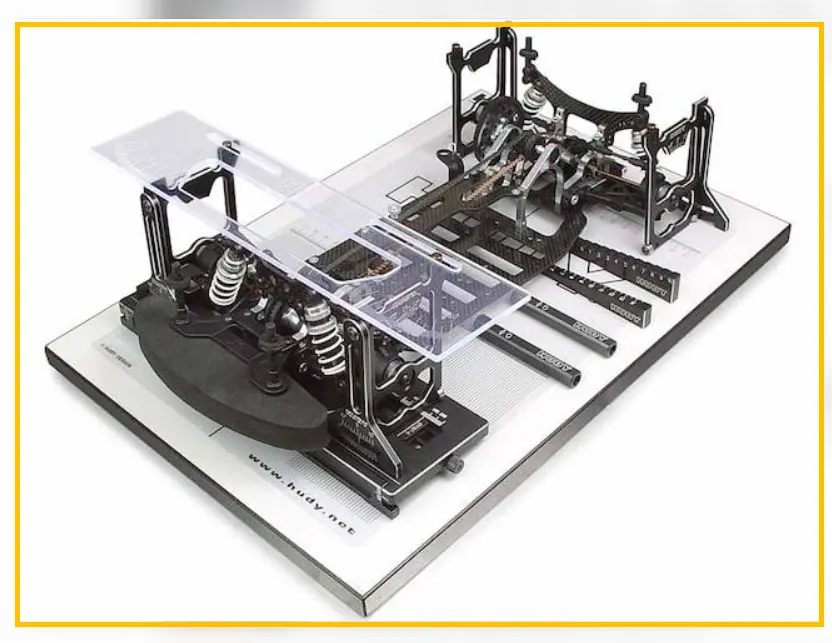
Is the Chassis Tweaked?
A twisted chassis puts diagonal load into the car, and the effect shows up most clearly when you brake. Replacing parts won’t help if the chassis itself is the problem.
The check is simple. Strip the car down if you can, then set it on a flat surface such as a setup board or a piece of glass. A forum tip for finding tweak is to put a screwdriver under the center of the car and lift: both tires on one end should come off the ground at the same time. If one lifts and the other stays down, the car is tweaked. Fixing it usually means loosening and re-tightening suspension and shock mounts, or replacing a bent chassis plate. This matters most on touring cars and other flat metal or carbon chassis cars.
While you’re down there, check the tires. If one has worn more than its partner, or the diameters have drifted apart, the traction on that side is different and the car will pull toward the grippier side when you brake.
Nitro and Gas Cars: Check the Brake Linkage
Electric cars brake through the ESC, so this section only applies if you run a mechanical brake.
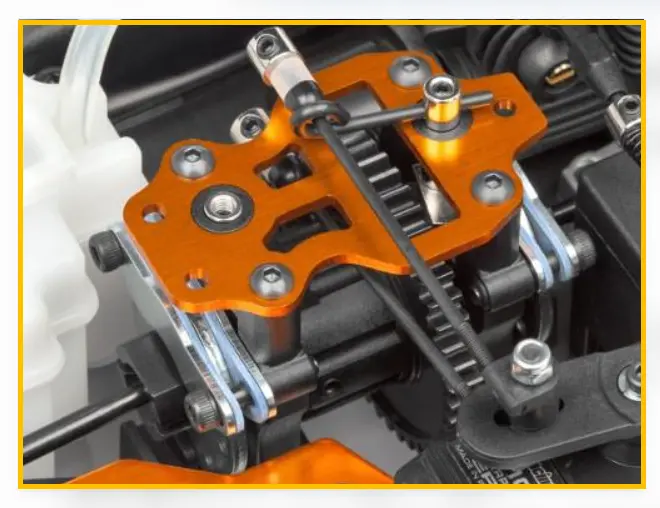
On a car with mechanical disc brakes, the left and right brake links (or the front and rear links) may pull at different angles. If one disc engages before the other, the car swerves. Check the linkage geometry, the amount of free play before the brake starts working, and whether any link binds. On one 1/8 car forum thread, a rear-spinning problem under braking was traced to a setup issue where the rear locks before the front, so it’s worth checking front-to-rear balance as well as left to right.
Why Not Just Use Steering Trim?
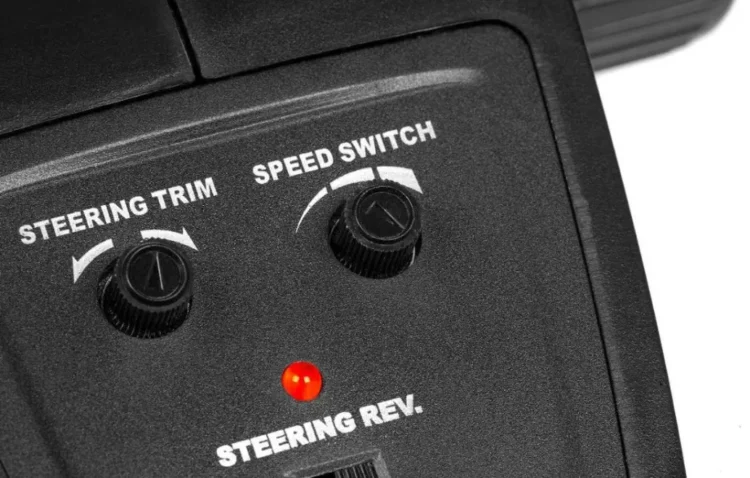
Steering trim moves your neutral point. If you offset it to cancel a pull that only appears under braking, the car will start to drift the other way when you’re driving straight or accelerating. The pull comes from weight transfer, not from the neutral position, so trim treats the wrong thing.
Further Reading:
- Best 4WD RC Cars That Actually Survive My Backyard
- Best Monster Truck Under $500 – The One I’d Buy Again
- Best Waterproof RC Cars for Rain, Mud, and Puddles
A Checking Order That Saves Time
- Spin all four wheels by hand and compare drag side to side.
- Look for steering slop at the servo saver and ball ends, and confirm left and right travel match.
- Pull the shocks and compare length, preload, and rebound.
- Check the chassis for tweak on a flat surface.
- Compare tire wear and diameter.
- On nitro or gas cars, go through the brake linkage last.
I’d run through those in order before replacing anything. Often it takes two or three of them to find the difference, since several small imbalances can add up to one visible pull.